





Metallium Ltd. completed the next step this month toward commercially deploying its flash joule heating (FJH) metal recovery technology.
The Australia-based company performed a 12-hour, three-unit test at its Houston facility as part of the scale-up of its FJH operation.
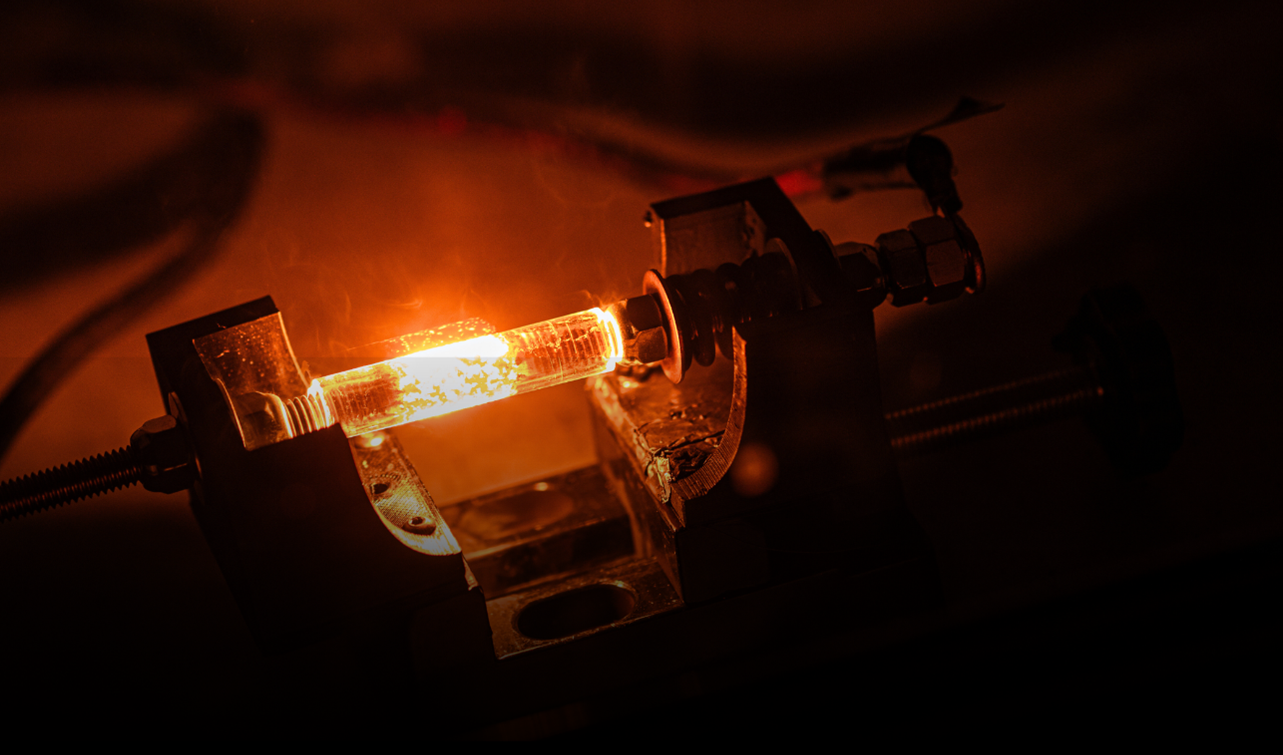
FJH uses electrical pulses to nearly instantly heat materials to more than 5,432°F. This rapid heating breaks molecular bonds and allows for the removal of valuable metals without acids or smelting, which the company said offers a cleaner and more energy-efficient recycling method.
The company’s most recent test saw 18 batches of metal put through FJH without incident, extracting about 0.3 metric tons (660 pounds) of material. This round of testing focused on mechanical performance using inert test material, with follow-up tests to more completely simulate real-world conditions and material processing.
“Successful sustained operation of three units simultaneously provides valuable confidence in the scalability of the technology and generates important engineering data for future development programs,” said Michael Walshe, Metallium managing director and CEO. “This provides highly encouraging early evidence of the scalability of the platform and the suitability of the FJH architecture for larger-scale deployment.”
Metallium, through its subsidiary Flash Metals USA, leases the FJH process from researchers at Rice University who developed the technology. Their research found that nearly all materials could be recovered from used batteries and other electronic devices with FJH while using half the energy of traditional methods and 95% fewer chemicals.
The next step in the testing process will involve parallel reactor optimization, chlorination and commercial feedstock utilization. Once Metallium gains approvals and completes equipment modifications this summer, the company will work to speed up the maturation of the technology and improve reactor performance and operating efficiency.
Data on chlorination performance, product recovery and operating parameters will be gleaned from that round of testing to inform commercial feedstock and demonstration-scale operation phases that will follow. Once those are complete, the technology will be ready for widescale deployment, hopefully before year’s end.
The initial goal is to create an operation that can process 8,000 metric tons of printed circuit boards per year at the company’s Texas Technology Campus. To help with feedstock once the facility is operational, Metallium will acquire up to 2,400 metric tons of shredded electronic material per year from Glencore. It also signed a deal to sell some of its finished material to Indium.
Metallium completed a $75 million capital raise earlier this year as part of the overall strategy. It also secured a $1 million federal contract to help fund research into recovering gallium and germanium from discarded electronics.