
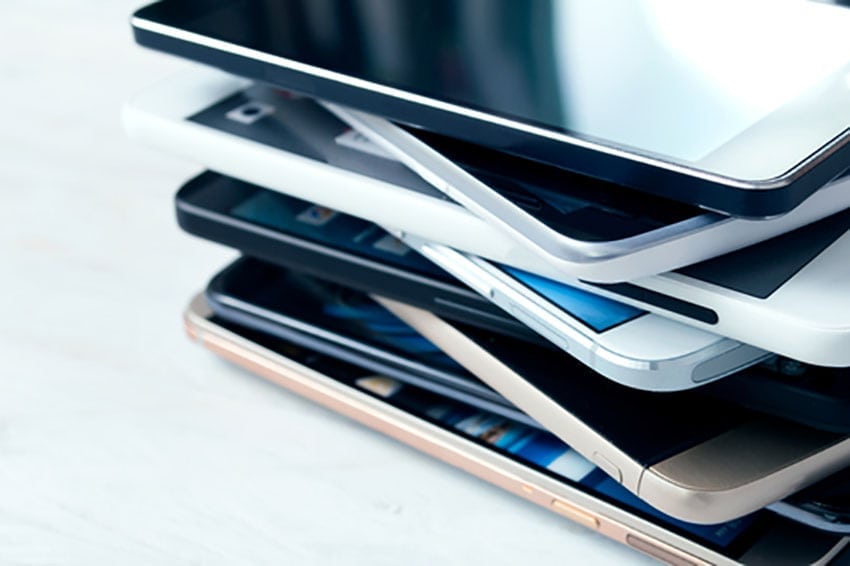
US consumers received a record $6.4 billion through mobile device trade-in programs in 2025, a 42% increase from the prior year, according to data released by Assurant, the New York-based device protection and services company.
The total is the highest annual value recorded since the company began tracking trade-in activity in 2015 and reflects a market shaped by longer device ownership and steady demand for newer features at the point of upgrade.
Trade-in activity remained strong through the end of the year, with $2.2 billion returned to consumers in the fourth quarter, the highest Q4 total on record.
The data shows consumers are holding on to devices longer before trading them in. The average age of iPhones at turn-in rose to 3.8 years in 2025, up from 3.67 years in 2024, while Android devices reached 3.96 years on average, up from 3.52 years the previous year. In the fourth quarter, Android devices surpassed four years on average at turn-in.
Those longer ownership cycles are contributing to a secondary market increasingly populated with newer, higher-spec devices. For the first time on an annual basis, the most commonly traded-in devices were all premium 5G smartphones, including Apple iPhone 13 and iPhone 14 models. On the Android side, Samsung’s Galaxy S22 Ultra 5G remained the most frequently turned-in model.
“What stood out in 2025 was how clearly value showed up at the moment consumers were ready to act,” said Biju Nair, executive vice president and president of global connected living at Assurant, in a statement.
The company said consumers are increasingly aligning upgrades with major device launches, new features and promotional trade-in offers rather than replacing phones on a fixed schedule. That shift is contributing to longer ownership periods while still supporting strong trade-in activity when upgrades occur.
At the same time, devices entering trade-in channels are trending newer and in better condition. Assurant attributed that to the growing role of repair and protection programs, which can extend device lifespans and help preserve resale value.
That dynamic has implications for downstream markets, including refurbishment and resale channels that depend on a consistent supply of relatively recent devices. A newer mix of incoming devices can support stronger resale values and expand access to later-generation smartphones in secondary markets.
The company also pointed to environmental impacts associated with trade-in and reuse programs. Since 2009, Assurant said its programs have diverted more than 39,600 metric tons of electronic waste from landfills and avoided 10.3 million metric tons of carbon dioxide emissions.
The report suggests trade-in programs are becoming a more consistent part of the upgrade process as consumers look to offset the cost of new devices. At the same time, longer ownership cycles and a steady flow of newer trade-ins are reshaping supply across the secondary device market.