










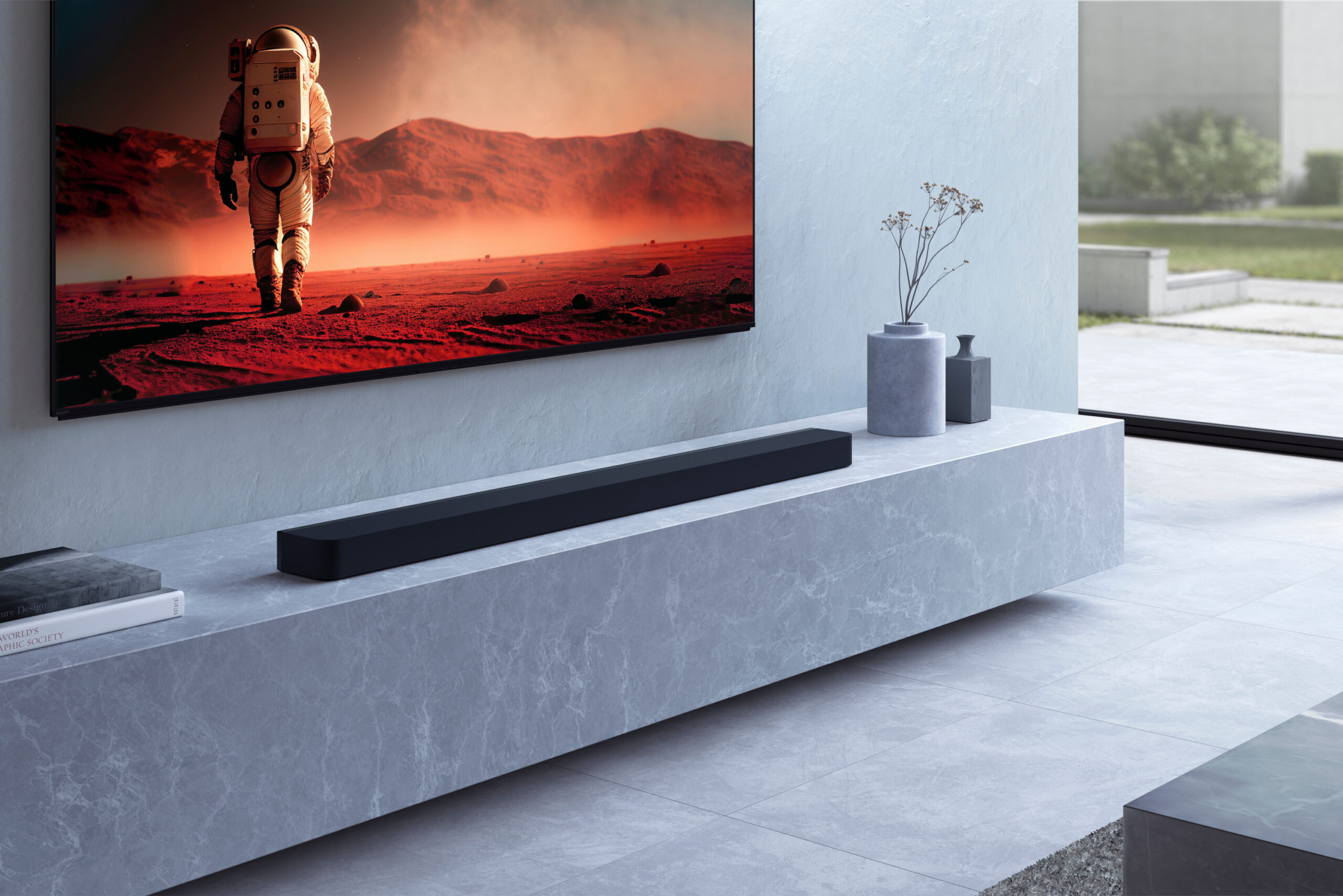
Sony, Mitsubishi and 12 other companies have created what they describe as the first global supply chain for producing renewable plastics from bio feedstocks including used cooking oil, to be used in Sony’s high-performance audio-visual products.
The supply chain spans five countries and regions and is intended to help track how circular feedstocks move from raw materials to finished products. The plastics made through the new system are slated for use in Sony products that will be launched worldwide.
Consumer electronics use a wide variety of plastics and some parts require flame retardants and optical properties, leading some consumer brand owners to argue that mechanically recycled plastics cannot fully replace virgin resin.
To address those constraints, the companies collaborated to visualize Sony’s existing plastics supply chain and create a new one that enables the production of multiple types of renewable plastics from biomass resources using a mass balance approach. Under mass balance accounting, renewable and conventional fossil-based feedstocks can be mixed during production, a process critics say clouds the amount of recycled content.
In a 2023 comment to the US Federal Trade Commission during updating of federal Green Guides, the Association of Plastic Recyclers (APR) recommended that the agency not permit recycled-content claims based on certain methods including mass balance.
APR owns Resource Recycling, Inc., publisher of E-Scrap News.
Taiwan’s Chimei will supply polycarbonate, while Qingdao Haier New Material Development will supply PC/ABS (acrylonitrile butadiene styrene).
Neste, Idemitsu Kosan, Formosa Chemicals & Fibre, SK Geo Centric, Eneos, Hanwha Impact, Toray Advanced Materials Korea and Mitsui also will supply raw materials along the value chain.
The initiative is part of the “Creating NEW from reNEWable materials” project jointly launched by Sony and Mitsubishi. Sony aims to eliminate its use of virgin plastics by 2050.
“Although challenges such as cost and supply remain, we are promoting an industry environment that makes such materials easier to adopt, while gaining hands-on experience using them ourselves,” said Hisaoki Oba, part of Sony’s Sustainability Working Group and Mechanical Strategy Committee.