





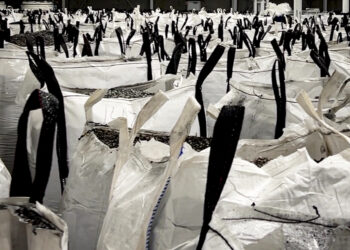
ABTC gets black mass export exemption
Company leadership said the move allows the minerals to be used while the nation’s processing infrastructure gets up to speed.


Company leadership said the move allows the minerals to be used while the nation’s processing infrastructure gets up to speed.

The following facilities have achieved, renewed or otherwise regained industry certifications.

Some in the second-hand marketplace won’t see the full impact until well after the Duo foldable phone releases later this month.

Researchers say many more devices can be put back into users’ hands than is happening now.
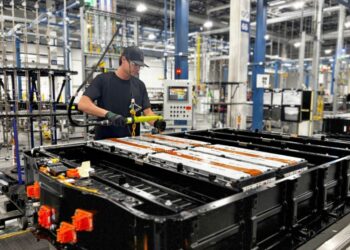
The automaker’s partnership with Cirba Solutions is meant to keep critical minerals in use to meet growing EV demand.
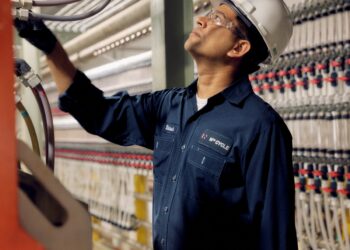
$1 billion partnership with Glencore comes on the heels of federal grant to build out processing facility, supply chain.
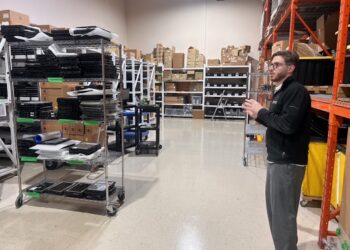
Rugged Books’ work delivering refurbished devices to specialized industries is set to expand overseas.

The following facilities have achieved, renewed or otherwise regained industry certifications.
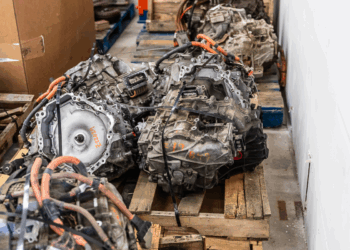
The move gives ERI a financial stake in Cyclic and expands a feedstock arrangement in place between the companies.
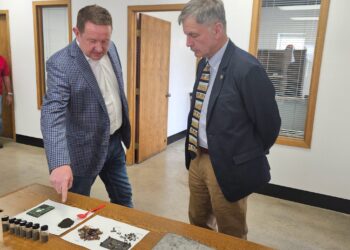
The company specializes in devices containing highly sensitive information, offering destruction combined with mineral recovery.