




A Washington, DC-area hauler plans to build a materials recovery facility for commercial single-stream recyclables in Upper Marlboro, Maryland. The project is expected to cost about $30 million. It would add private processing capacity as the state’s packaging extended producer responsibility (EPR) program gets underway.
The 50,000-square-foot MRF will sit on a 7-acre parcel next to Joint Base Andrews, with separate maintenance and scale buildings. The sorting line, designed and built by Van Dyk Recycling Solutions, is rated for up to 25 tons per hour. The site is being built to receive up to 50 tons per hour. Equipment will include screens, optical sorters, magnetic and eddy-current separation, and automated balers.
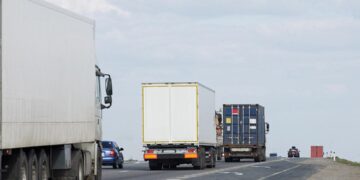
The MRF will process material collected by its affiliate, Jerome L. Taylor Trucking Inc. The company describes the hauler as the largest independent waste and recyclables collector in the DC metro market. It serves commercial, industrial and government customers in DC, Maryland and Virginia.
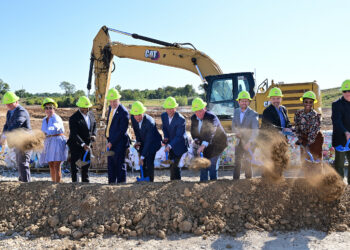
Jerome Taylor, president and CEO of JLT Recycling and JLT Trucking, called the project “a lifelong dream for my family.” JLT expects local processing to cut transportation and recover more marketable commodities. Planning and site work will continue through 2027, and the company expects to break ground in early 2028.
The timeline coincides with Maryland’s EPR rollout. Gov. Wes Moore signed SB 901 in May 2025, making Maryland the sixth state with a packaging EPR law. Producers had to register with the state by July 1, 2026, and must submit initial producer responsibility plans by April 1, 2027. They must reimburse local governments for 50% of recycling costs by July 1, 2028, rising to 90% by 2030.
The state’s 2025 needs assessment found EPR could raise Maryland’s recycling rate for paper and packaging from 34% to 50%. That would increase annual collection from about 984,400 tons to 1.5 million tons. Maryland’s overall recycling rate was 37.7% in 2024, with a 42% waste diversion rate, according to the Maryland Department of the Environment’s latest annual report.
Prince George’s County already owns a residential single-stream MRF in Capitol Heights, operated by Maryland Environmental Service. It serves more than 300,000 homes and handles over 70,000 tons of recyclables a year.