Google has launched a pilot effort with refurbished electronics marketplace Back Market and Closing the Loop to extend the life of aging computers while linking the program to electronic scrap recovery.
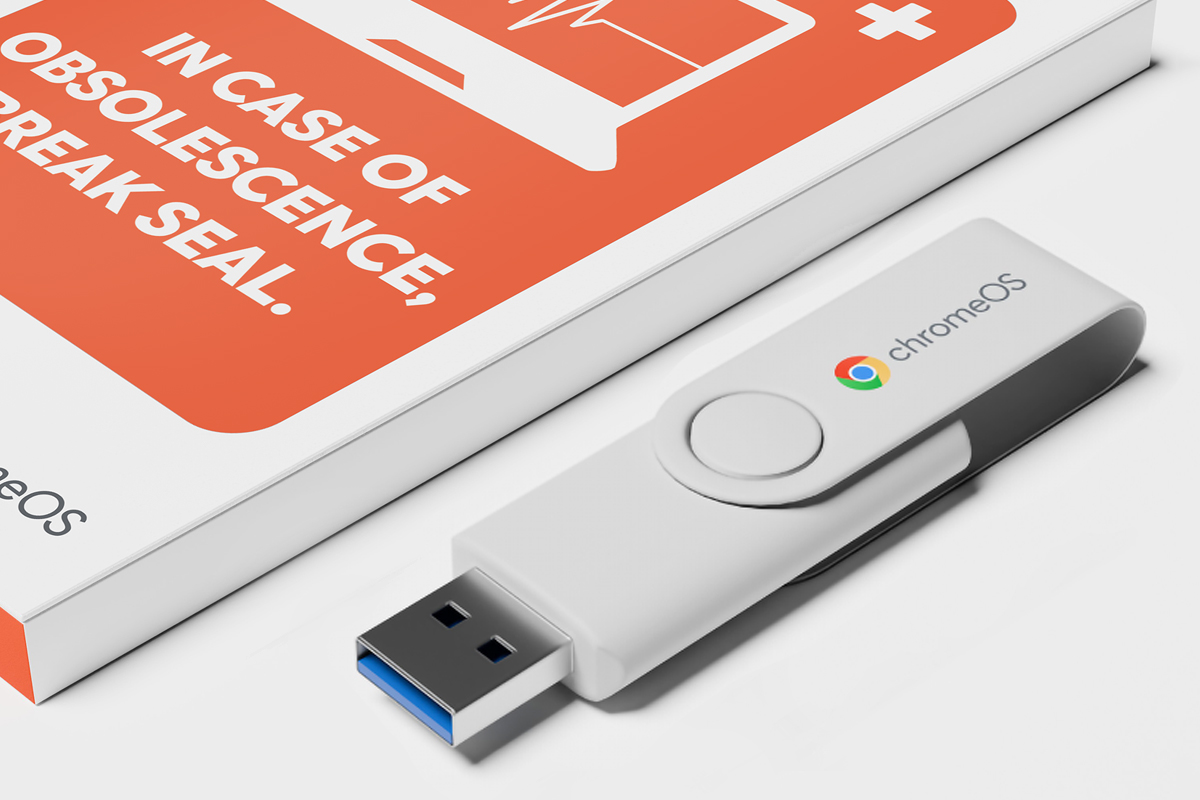
The effort centers on ChromeOS Flex, a free operating system designed to run on older Windows and Apple devices that are no longer supported by their original software. First widely launched in 2022, it’s designed to run on older PCs and Macs and extend their usable life through a lightweight, cloud-based operating system. Google and Back Market are now distributing the software through a low-cost USB kit intended to simplify installation for users who may not be comfortable replacing an operating system on their own.
The timing follows Microsoft’s end of support for Windows 10 last year, which left a large number of devices at risk of becoming obsolete despite still functioning at the hardware level. Google said the program is meant to provide an alternative to replacement by keeping those machines in use longer.
“Just because an operating system reaches its limit doesn’t mean the hardware has to,” Ted Briggs, platforms and devices lead for sustainability strategic partnerships at Google, said in a company blog post.
The USB kits, priced at about $3, are designed to reduce barriers to adoption by providing a straightforward installation pathway supported by guides and tutorials. ChromeOS Flex remains available as a free download.
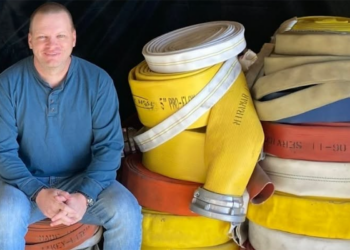
Closing the Loop’s role ties the distribution of new hardware to electronic scrap recovery by matching it with equivalent collection. For every kilogram of USB drives distributed, the company collects an equal amount of electronic scrap from countries including Ghana, Cameroon and Nigeria, Chris Bross, director of business development for Closing the Loop, told E-Scrap News.
That approach links device lifespan extension with material recovery beyond the user’s own device, reflecting a growing focus on both reuse and end-of-life management.
Bross said the relationship between manufacturers and users has shifted in recent years as repair and reuse have gained traction. “When I think of EPR, I think of both what the manufacturer is doing and then the whole life cycle management, including the consumer,” he said.
“Historically, there’s been a big disconnect between what the manufacturers and the OEMs are making and the actual consumer behavior, especially with the end of life of products,” he added.
Partnerships between manufacturers and repair platforms have helped close that gap, he said, by enabling consumers to extend product life without relying on the original equipment manufacturer for service.
At the same time, Bross pointed to ongoing challenges, particularly around lithium-ion batteries, which remain a persistent issue in electronics management. Batteries are frequently cited in fires in collection vehicles and processing facilities when improperly discarded.
“The battery is still, in my personal opinion, one of the biggest issues to deal with,” he said.
The ChromeOS Flex program also reflects a broader shift among some manufacturers toward recognizing value in second and third product life cycles. Back Market, which specializes in refurbished electronics, has introduced a category for older devices that were previously considered obsolete but can now be resold when paired with updated software.
Google acknowledged in materials describing the partnership that distributing USB drives introduces additional hardware into the market, which will eventually reach end of life. The company paired the effort with Closing the Loop’s collection model to match new material with equivalent recovery.
“Reuse and lifecycle extension are great ways to put circular thinking into action,” Briggs said in a statement. “But as every single product will at some point become waste, we feel it makes sense to match hardware added to the market with hardware being removed from the market.”
Despite such efforts, Bross said progress across the sector remains uneven, citing reduced investment in sustainability programs at some manufacturers. “We know the issue with global waste,” he said. “We’re not solving the problem yet.”