





Data security is tightening its grip on enterprise IT asset disposition decisions as organizations weigh device lifecycles, resale markets and hardware budgets heading into 2026, according to a new report from Sage Sustainable Electronics.
The company’s 2026 IT Asset Management Benchmarking Report, its 12th annual edition, draws on survey responses from 56 organizations representing more than 808,000 employees and an analysis of more than 2.5 million IT assets processed between 2019 and 2025. The publication is the first issued under the Sage brand following the company’s acquisition of Cascade Asset Management.
Survey respondents continued to rank managing data and security risks as the top factor when disposing of technology. The report also shows growing reliance on the NIST 800-88 media sanitization standard, with 52% reporting alignment with that framework in 2025, up from 34% the prior year. Despite the increase, roughly one quarter of respondents said they still rely on the older DoD 5220.22-M approach, which the report characterizes as obsolete and ineffective for solid state storage devices.
“The data reflects a more disciplined approach to IT asset management, one that balances protection, performance and return,” said Neil Peters-Michaud, president of Sage Sustainable Electronics. “Enterprises are becoming more strategic about how they retire, reuse and remarket technology, and this report provides the benchmarks to guide those decisions.”
Device lifecycle timing is also shifting, with laptops moving faster through refresh cycles than in the prior year’s survey results. Respondents reported an average expected laptop retirement age of 4.0 years, down from 4.3 years in 2024, while desktops averaged about 4.6 years. The report links the laptop shift to the approaching end of Windows 10 support, anticipated tariff increases and interest in AI capable hardware.
Hardware spending expectations appear to be stabilizing after several years of disruption. Forty three percent of respondents said they expect to spend about the same amount on IT hardware in 2026 as in 2025, while 22% expect to spend less. That figure is up sharply from the prior year and reflects what the report describes as a return to more typical pre-pandemic budgeting patterns as organizations redirect investment toward other technology priorities.
Secondary market pricing is emerging as a larger factor in how organizations value retired equipment, particularly for servers. The report says server resale values surged in 2025, driven by constrained supplies of enterprise components and increased demand tied to AI infrastructure. Current server values are described as nearly 2.5 times their seven-year average, with elevated pricing expected to continue in the near term.
In its resale analysis, the report found that Sage facilities averaged $128.51 per refurbished device in 2025, while legacy Cascade facilities averaged $98.50. The report attributes pricing differences primarily to equipment quality, sourcing and access to resale marketplaces rather than broader shifts in demand alone.
The report also points to evolving corporate positioning on environmental, social and governance initiatives. Fewer respondents ranked sustainability as very important compared with prior years, yet many organizations reported continuing efforts to extend device lifecycles through repair, refurbishment and redeployment. Electronics reuse, recycling and digital equity programs remained among the most common outcomes included in corporate ESG reporting.
Bob Houghton, CEO of Sage Sustainable Electronics, said the integration of Sage and Cascade provides broader visibility into IT asset trends across sectors including healthcare, financial services, manufacturing, government and nonprofit organizations, and offers organizations more actionable insight into cost effective and sustainable asset strategies.
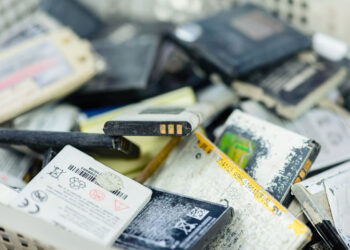
Beyond budgets and resale values, the report highlights persistent operational gaps. Only 39% of respondents said they have formal procedures in place to identify, store and dispose of damaged lithium-ion batteries, a decline from the previous year. The finding underscores ongoing safety and compliance risks as lithium-ion batteries remain a leading cause of fires during storage and transportation.