





Resource Recycling
  • The Latest
  • Analysis
    • All
    • Certification Scorecard
    • Industry Announcements
    • Opinion
    Data quantifies progress on plastic recycling

    Inside the Circle: Don’t break the sustainable accounting system

    Assurant releases Q2 trade-in and upgrade data

    iPhone changes could flip script on secondhand market

    From claims to custody: PCR procurement grows up

    From claims to custody: PCR procurement grows up

    What the NAND flash crunch means for remarketing, refurbishment and residual values

    Telamon acquires ITAD consultancy Retire-IT

    Certification Scorecard — Week of July 6, 2026

    Tech giant pens detailed ‘plastic-free packaging’ guide

    What Google’s latest report means for ITAD

  • Conferences
    • Resource Recycling Conference
    • Plastics Recycling Conference
    • E-Scrap: The Longevity Conference
    • Textiles Recovery Summit
  • Publications
    • E-Scrap News
    • Plastics Recycling Update
    • Policy Now
    • Resource Recycling
    • Other Topics
      • All Topics
      • Brand Owners
      • Critical Minerals
      • Glass
      • Grant Watch / RFPs
      • Markets
      • Organics
      • Packaging
      • Research
      • Technology
      • Textiles
Subscribe
No Result
View All Result
Resource Recycling
  • The Latest
  • Analysis
    • All
    • Certification Scorecard
    • Industry Announcements
    • Opinion
    Data quantifies progress on plastic recycling

    Inside the Circle: Don’t break the sustainable accounting system

    Assurant releases Q2 trade-in and upgrade data

    iPhone changes could flip script on secondhand market

    From claims to custody: PCR procurement grows up

    From claims to custody: PCR procurement grows up

    What the NAND flash crunch means for remarketing, refurbishment and residual values

    Telamon acquires ITAD consultancy Retire-IT

    Certification Scorecard — Week of July 6, 2026

    Tech giant pens detailed ‘plastic-free packaging’ guide

    What Google’s latest report means for ITAD

  • Conferences
    • Resource Recycling Conference
    • Plastics Recycling Conference
    • E-Scrap: The Longevity Conference
    • Textiles Recovery Summit
  • Publications
    • E-Scrap News
    • Plastics Recycling Update
    • Policy Now
    • Resource Recycling
    • Other Topics
      • All Topics
      • Brand Owners
      • Critical Minerals
      • Glass
      • Grant Watch / RFPs
      • Markets
      • Organics
      • Packaging
      • Research
      • Technology
      • Textiles
Subscribe
No Result
View All Result
Resource Recycling
No Result
View All Result
Home E-Scrap

Safety in the e-scrap industry has room to improve

Lacey EvansbyLacey Evans
October 6, 2016
in E-Scrap
Safety in the e-scrap industry has room to improve

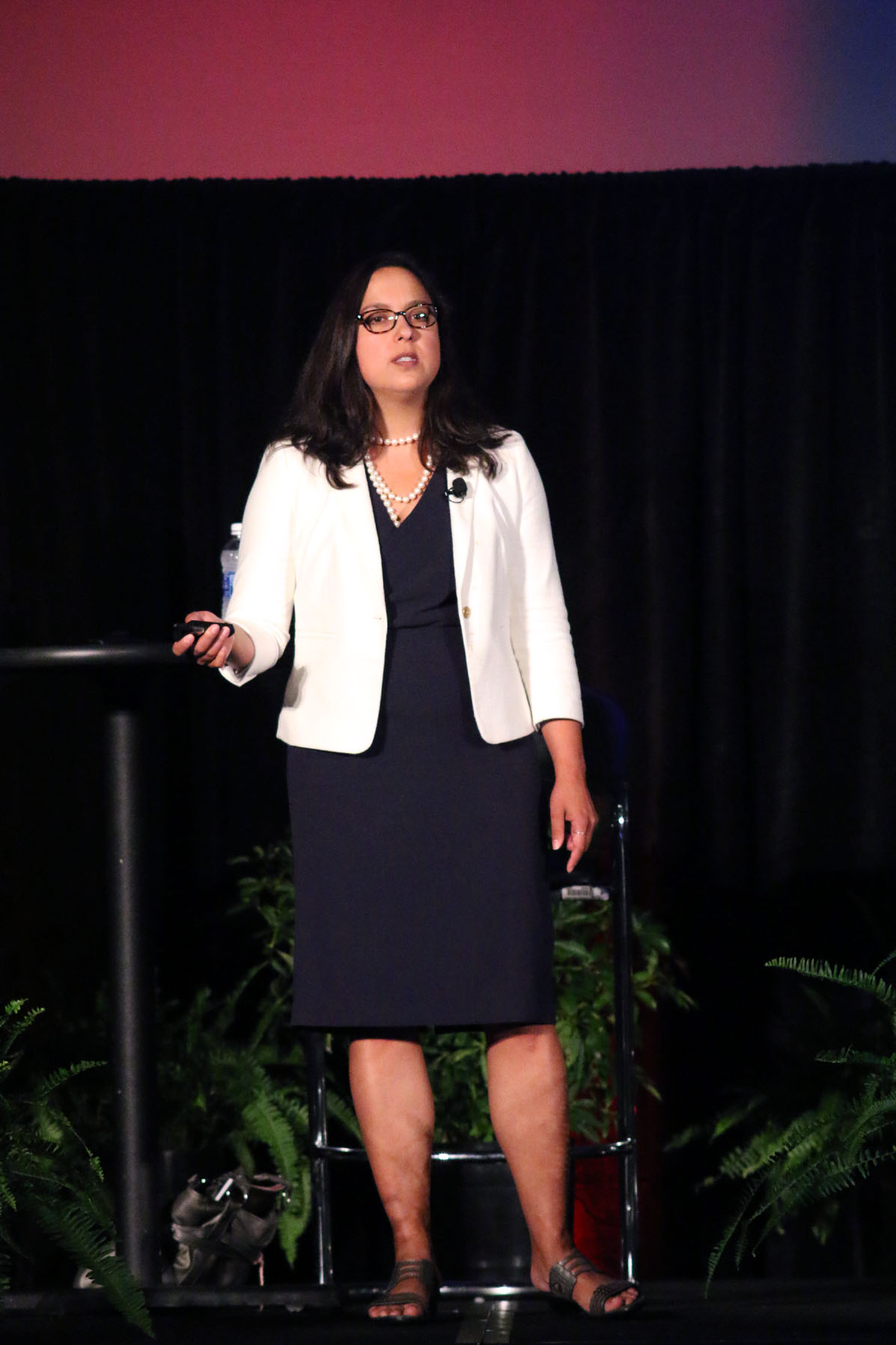
Whether you operate a small shredding operation or a larger e-scrap processing facility, safety must be a priority. The subject of safety was explored at an E-Scrap Academy session during E-Scrap 2016 in New Orleans last month.

Diana Ceballos from the Harvard School of Public Health discussed the occupational and environmental health effects of the e-scrap industry and Lloyd Andrew with EnvirOSH discussed basic worker safety and training. Both agree operations have to go beyond the standard regulations and both agree the industry is getting safer but still has a long way to go.

Ceballos has studied the various chemicals and toxic metals, such as PCBs, flame retardants, mercury and lead, involved in the e-scrap industry and their impact on workers. The metals and chemicals can be endocrine disruptors, which can lead to a change in thyroid and cellular function, changes in temperament and behavior, decreased lung function, and adverse neonatal outcomes.

Workers are exposed to those chemicals and heavy metals during all parts of the recycling process: shredding, CRT processing, filter cleaning and dismantling, with shredding and special processing being the most dangerous.

Even those working in facility offices, or working and living nearby, can be exposed to the chemicals because they get into the air and soil and contaminate surfaces.

Ceballos also reviewed one study that found two children of an e-scrap processor got lead poisoning from take-home exposure.

In summary, Ceballos said workers are over-exposed to metals and more mitigation is necessary, but there is a solution. First, electronics can be designed differently without harmful substances and easy to disassemble components. Second, processors can improve how electronics are processed by assessing what workers are exposed to and going beyond regulations to keep employees, and the environment, safe.

Lloyd Andrew, with EnvirOSH Services, Inc., agrees with Ceballos that companies need to go beyond the basics. Andrew is a certified industrial hygienist and president of EnvirOSH, an environmentally occupational safety and health consulting agency. His company focuses on basic safety of e-scrap and other recycling facilities: forklift and other machinery hazards, ergonomics, personal protection and other physical risks.

Andrew said the industry should advance beyond the minimum regulations. Occupational Safety and Health Administration (OSHA) standards concerning chemicals, like lead, were written in the 70s and aren’t on par with advancements in the industry.

Andrew went further, saying facility design is just as important as training in keeping employees safe. Does the facility have potholes or inclines, places where forklifts can tip over? Do forklifts have a separate path from pedestrians? Is the ventilation system properly working? Those things should be permanent engineering changes.

Both Andrew and Ceballos think standards and certifications are the solution to better worker safety. They take into consideration the environment and science-based recommendations, said Ceballos.

“Certifying agencies are doing a good job of driving the industry,” said Andrew. He added they are a good way for the industry to advance beyond the minimum. “If you want to win in the e-scrap business, you must be better than OSHA.”

“You pay the price in the beginning to do things right,” Cabellos said, “or you pay the price at the end when the facility closes down and it becomes a superfund site.”


Tags: CRTsPolicy NowProcessors
TweetShare
Lacey Evans

Lacey Evans

Lacey Evans was a staff writer at Resource Recycling, Inc. until January 2017.

Related Posts

SB 54 draft rules generate debate on rates, review

California increases PET market payments

byAntoinette Smith
July 7, 2026

While the state extended the incentive program, the status of a separate bill with similar goals is uncertain.

Two recycled-content bills gain approval in California

California agriculture seeks SB 54 repeal

byStefanie Valentic
July 7, 2026

A coalition of state agriculture stakeholders says the packaging law could add nearly $1,400 a year to household grocery costs...

In Our Opinion: Coalitions: The EPR Differentiator

Inside NAW’s constitutional case against packaging EPR

byStefanie Valentic
July 6, 2026

The National Association of Wholesaler-Distributors is fighting EPR in Oregon, and now in California too.

EPR fees are a market signal. Here’s what they’re telling you.

Building the infrastructure behind EPR

byStefanie Valentic
July 6, 2026

CAA's Jeff Fielkow breaks down the organization's role in US packaging EPR and why being the only multi-state PRO in...

Oregon’s Recycling Modernization Act faces injunction

Oregon’s EPR program posts first-year results

byStefanie Valentic
July 6, 2026

One year into Oregon's producer-funded recycling system, CAA provides an update on new carts, and the progress achieved.

RIT researchers develop AI-based textile recycling system

CA expects first textile EPR deadline

byStefanie Valentic
June 30, 2026

California's first textile EPR registration deadline arrives July 1 amid lawsuits challenging the nonprofit status of Landbell USA, the selected...

Load More
Next Post

Our top e-scrap stories from September 2016

More Posts

Unpacking the Starbucks cup data

Unpacking the Starbucks cup data

July 8, 2026
Tech giant pens detailed ‘plastic-free packaging’ guide

What Google’s latest report means for ITAD

July 8, 2026
Two recycled-content bills gain approval in California

California agriculture seeks SB 54 repeal

July 7, 2026
SB 54 draft rules generate debate on rates, review

California increases PET market payments

July 7, 2026
In Our Opinion: Coalitions: The EPR Differentiator

Inside NAW’s constitutional case against packaging EPR

July 6, 2026
MP Materials breaks ground on rare earth magnet campus in North Texas

ERI confirms ITAD shift toward minerals

July 3, 2026
Canada EV battery reuse pilot to start

Canada EV battery reuse pilot to start

July 8, 2026
EPR fees are a market signal. Here’s what they’re telling you.

Building the infrastructure behind EPR

July 6, 2026
Auto Draft

Digital product passports offer gateway into secondary market

July 7, 2026
Oregon’s Recycling Modernization Act faces injunction

Oregon’s EPR program posts first-year results

July 6, 2026
Load More

About & Publications

About Us

Staff

Archive

Magazine

Work With Us

Advertise
Jobs
Contact
Terms and Privacy

Newsletter

Get the latest recycling news and analysis delivered to your inbox every week. Stay ahead on industry trends, policy updates, and insights from programs, processors, and innovators.

Subscribe

Welcome Back!

Login to your account below

Forgotten Password?

Retrieve your password

Please enter your username or email address to reset your password.

Log In

Add New Playlist

No Result
View All Result
  • The Latest
  • Analysis
  • Recycling
  • E-Scrap
  • Plastics
  • Policy Now
  • Conferences
    • E-Scrap Conference
    • Plastics Recycling Conference
    • Resource Recycling Conference
    • Textiles Recovery Summit
  • Magazine
  • About Us
  • Advertise
  • Archive
  • Jobs
  • Staff
Subscribe
This website uses cookies. By continuing to use this website you are giving consent to cookies being used. Visit our Privacy and Cookie Policy.