
















Resource Recycling
  • The Latest
  • Analysis
    • All
    • Certification Scorecard
    • Industry Announcements
    • Opinion
    The electronics recycling industry is undergoing a transformation from labor-intensive manual operations to highly automated, AI-driven facilities that use advanced robotics, cleaner chemistry and digital tracking systems to extract critical materials.

    The cyber-physical MRF: AI and robotics reshape e-waste recovery

    Certification scorecard for the week of Feb. 9, 2026

    Meta-Corning deal signals IT hardware retirement wave

    Meta-Corning deal signals IT hardware retirement wave

    Malaysia clamps down on illegal e-waste imports amid probes

    Malaysia clamps down on illegal e-waste imports amid probes

    URT builds alliance to remake electronics plastics at scale

    ICYMI: Top 5 e-scrap stories from January 2026

    The electronics recycling industry is undergoing a transformation from labor-intensive manual operations to highly automated, AI-driven facilities that use advanced robotics, cleaner chemistry and digital tracking systems to extract critical materials.

    Certification scorecard for the week of Feb. 2, 2026

    Auditors warn EU may fall short on critical metals

    Auditors warn EU may fall short on critical metals

    Industry announcements for January 2026

    Industry announcements for February 2026

    ICYMI: Top 5 recycling stories from January 2026

  • Conferences
  • Publications

    Other Topics

    Textiles
    Organics
    Packaging
    Glass
    Brand Owners

    Metals
    Technology
    Research
    Markets
    Grant Watch

    All Topics

Subscribe
No Result
View All Result
Resource Recycling
  • The Latest
  • Analysis
    • All
    • Certification Scorecard
    • Industry Announcements
    • Opinion
    The electronics recycling industry is undergoing a transformation from labor-intensive manual operations to highly automated, AI-driven facilities that use advanced robotics, cleaner chemistry and digital tracking systems to extract critical materials.

    The cyber-physical MRF: AI and robotics reshape e-waste recovery

    Certification scorecard for the week of Feb. 9, 2026

    Meta-Corning deal signals IT hardware retirement wave

    Meta-Corning deal signals IT hardware retirement wave

    Malaysia clamps down on illegal e-waste imports amid probes

    Malaysia clamps down on illegal e-waste imports amid probes

    URT builds alliance to remake electronics plastics at scale

    ICYMI: Top 5 e-scrap stories from January 2026

    The electronics recycling industry is undergoing a transformation from labor-intensive manual operations to highly automated, AI-driven facilities that use advanced robotics, cleaner chemistry and digital tracking systems to extract critical materials.

    Certification scorecard for the week of Feb. 2, 2026

    Auditors warn EU may fall short on critical metals

    Auditors warn EU may fall short on critical metals

    Industry announcements for January 2026

    Industry announcements for February 2026

    ICYMI: Top 5 recycling stories from January 2026

  • Conferences
  • Publications

    Other Topics

    Textiles
    Organics
    Packaging
    Glass
    Brand Owners

    Metals
    Technology
    Research
    Markets
    Grant Watch

    All Topics

Subscribe
No Result
View All Result
Resource Recycling
No Result
View All Result
Home Recycling

Growing bottle bill modernization and momentum

Marissa HeffernanbyMarissa Heffernan
January 8, 2024
in Recycling
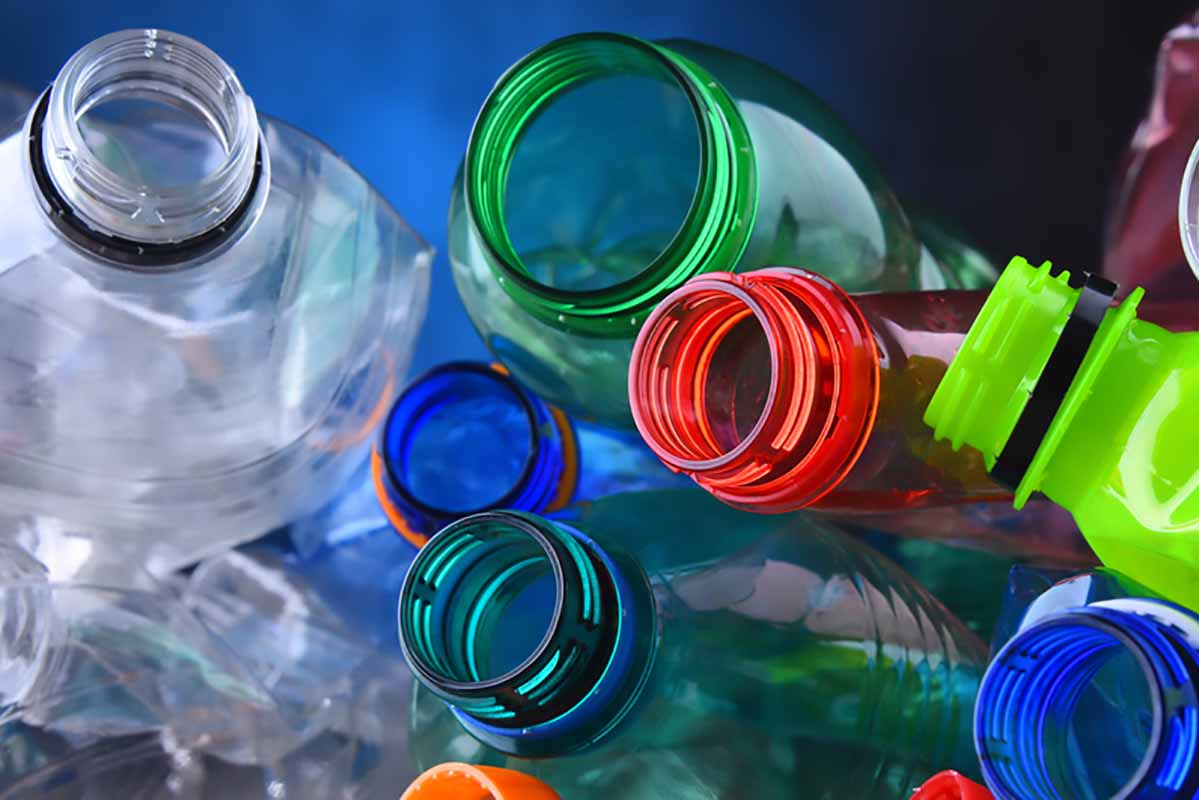
A handful of states have modernized their bottle bills in recent years, and pressure to enact programs in non-bottle-bill states appears to be growing, according to panelists on a recent webinar. | Monticello/Shutterstock

Deposit return systems are poised to take center legislative stage in the coming years, with strong potential benefits for the environment and economy, the Container Recycling Institute noted in a recent analysis and webinar. 

The analysis from the Container Recycling Institute (CRI) estimated that modernizing Massachusetts’ bottle bill could divert 182,000 metric tons of greenhouse gasses per year and bring another 3.1 billion containers into the recycling stream. 

Modernization would include expanding the program to cover noncarbonated beverages, wine and spirits, as well as increasing the deposit amount from 5 cents to 10 cents, the analysis noted. 

Right now, about 22% of non-deposit containers are collected for recycling in Massachusetts, versus 38% of containers with a deposit. Based on data from Oregon and Michigan, if Massachusetts raised the deposit from 5 cents to 10 cents, the deposit container recycling rates could hit more than 80%. 

Today, the state recycles about 1.48 billion containers per year between the bottle bill and curbside collection. That’s about 270 million plastic bottles, 926 million aluminum cans and 292 million glass bottles. 

If modernized, the state could collect an additional 3.1 billion containers per year, an increase of 2.1 billion plastic bottles, 509 million aluminum cans and 373 million glass bottles, the analysis estimated. 

Policy movement 

A Dec. 7 CRI webinar laid out which states made updates to beverage container deposit laws this year and which are implementing past changes. 

Susan Collins, CRI president, highlighted SB 353 and the implementation of SB 1013 in California, along with landmark SB 54. 

In Connecticut, SB 895 updated 2021’s modernization overhaul law, HB 6671. Collins noted that SB 895 allowed retailers to sell out their beverage stock with older labels after the deadline, capped reverse vending machines (RVMs) at accepting 240 containers at one time and clarified that dealers and distributors must educate the public about the changes. 

Iowa is implementing SB 2378, which passed in 2022, and New York passed a bill to try to prevent redemption fraud, Collins said. There’s also been federal congressional hearings on a national bottle bill.

Sarah Nichols, Sustainable Maine director at the National Resources Council of Maine, gave an update on the two bills Maine enacted this year around the deposit return system.

She likened them to “first aid and major surgery.” 

LD 134 was an emergency bill that raised the handling fee to save redemption centers from closing. 

“We were able to get them the money they needed to stay in business,” she said, on the condition that everyone committed to modernizing the entire program, which was “showing its age.”

LD 1909, the major surgery, overhauled the system without changing the deposit value. Notably, it removed the requirement that redemption centers sort by brand and required producers to form a cooperative to coordinate container pickup.  

Growing momentum

Some states without deposit return systems are also looking to start such programs. Jed Thorp, Rhode Island state director for the Clean Water Action, said Rhode Island “is trying to be the next state to pass a bottle bill.” 

“We do not have a bottle bill. We’ve never had a bottle bill, but we are surrounded by states in the region that do,” he said. 

Opposition from liquor stores, food dealers and the beverage industry have complicated the process, Thorp said, but “nobody was outright opposed to the idea of doing a bottle bill.” 

Most of the pushback is on the bill specifics, he added, which is why this year’s container deposit bill turned into a study bill. Under SB 5502, the legislature will get a report back by June 10, 2024 of what a bottle bill program for the state would entail. 

“There’s a good likelihood we could get something passed next year,” Thorp said, because there are “solutions out there to all the concerns we’ve heard.” 

All the panelists pointed to a changing container deposit system landscape, where there is less pushback from brands and producers than there used to be. 

Nichols said she’s been “defending Maine’s bottle bill for 10 years” and in the last few years there’s really been a change in attitudes among beverage companies and producers.  

“Producers are ready to come to the table now,” she said. 

Thorp said the “increasing concern about plastic pollution” has led to a desire among state legislatures to find “real meaningful solutions, so I think bottle bills are coming back and finding some momentum.” 

He said big industry lobbyists, such as the American Beverage Association (ABA), have also shown a softening stance, “which will make bottle bills somewhat more doable.” 

A version of this story appeared in Plastics Recycling Update on Dec. 12.

Tags: Container DepositsIndustry GroupsLegislation
TweetShare
Marissa Heffernan

Marissa Heffernan

Marissa Heffernan worked at Resource Recycling from January 2022 through June 2025, first as staff reporter and then as associate editor. Marissa Heffernan started working for Resource Recycling in January 2022 after spending several years as a reporter at a daily newspaper in Southwest Washington. After developing a special focus on recycling policy, they were also the editor of the monthly newsletter Policy Now.

Related Posts

Focus on recycling film, flexibles takes shape in two reports

byAntoinette Smith
February 13, 2026

The US Plastics Pact and the Alliance to End Plastic Waste released reports outlining necessary steps to improving recycling outcomes...

Bipartisan reps introduce bill on recycling claims

Bipartisan reps introduce bill on recycling claims

byAntoinette Smith
February 12, 2026

Legislators introduced the Recycled Materials Attribution Act in the US House, drawing support from a new industry group and scrutiny...

APR, industry create proactive guidance for PET caps

byAntoinette Smith
February 12, 2026

The Association of Plastic Recyclers recognized that developing guidelines before PET caps were completely developed and commercialized was crucial, and...

APR expands recycling efforts in Mexico, Latin America

byAntoinette Smith
February 11, 2026

The organization aims to leverage Mexico's leadership in plastics recycling and vital role in North American markets.

Oregon’s Recycling Modernization Act faces injunction

Court partially blocks Oregon EPR law, dismisses bulk of lawsuit

byStefanie Valentic
February 10, 2026

An Oregon federal court issued a limited injunction halting the state's EPR law for members of NAW, but rejected the...

Member states select new chair for global plastics treaty

Member states select new chair for global plastics treaty

byAntoinette Smith
February 10, 2026

During a short session, the Intergovernmental Negotiating Committee elected Chilean diplomat Julio Cordano to continue efforts toward an internationally binding...

Load More
Next Post

News from TOMRA, Komar Industries and more

More Posts

Oregon’s Recycling Modernization Act faces injunction

Court partially blocks Oregon EPR law, dismisses bulk of lawsuit

February 10, 2026
Chinese processing group details goals for US visit

AMP lays out vision of next-generation, AI-driven MRFs

July 24, 2024
Malaysia clamps down on illegal e-waste imports amid probes

Malaysia clamps down on illegal e-waste imports amid probes

February 6, 2026

REUSE Act heads to US House for consideration

February 9, 2026

ecoATM recycled 7.5M phones in 2025 as payouts hit $1.5B

February 10, 2026
Meta-Corning deal signals IT hardware retirement wave

Meta-Corning deal signals IT hardware retirement wave

February 9, 2026

APR, industry create proactive guidance for PET caps

February 12, 2026
Texas sues over dumped wind turbine blades

Texas sues over dumped wind turbine blades

February 10, 2026

Alpek talks PET overcapacity, soft demand

February 11, 2026
The electronics recycling industry is undergoing a transformation from labor-intensive manual operations to highly automated, AI-driven facilities that use advanced robotics, cleaner chemistry and digital tracking systems to extract critical materials.

The cyber-physical MRF: AI and robotics reshape e-waste recovery

February 12, 2026
Load More

About & Publications

About Us

Staff

Archive

Magazine

Work With Us

Advertise
Jobs
Contact
Terms and Privacy

Newsletter

Get the latest recycling news and analysis delivered to your inbox every week. Stay ahead on industry trends, policy updates, and insights from programs, processors, and innovators.

Subscribe

Welcome Back!

Login to your account below

Forgotten Password?

Retrieve your password

Please enter your username or email address to reset your password.

Log In

Add New Playlist

No Result
View All Result
  • The Latest
  • Analysis
  • Recycling
  • E-Scrap
  • Plastics
  • Policy Now
  • Conferences
    • E-Scrap Conference
    • Plastics Recycling Conference
    • Resource Recycling Conference
    • Textiles Recovery Summit
  • Magazine
  • About Us
  • Advertise
  • Archive
  • Jobs
  • Staff
Subscribe
This website uses cookies. By continuing to use this website you are giving consent to cookies being used. Visit our Privacy and Cookie Policy.