



Resource Recycling
  • The Latest
  • Analysis
    • All
    • Certification Scorecard
    • Industry Announcements
    • Opinion

    Certification scorecard for the week of Feb. 16, 2026

    Sims Lifecycle leverages hyperscale decommissioning

    Sims Lifecycle leverages hyperscale decommissioning

    The electronics recycling industry is undergoing a transformation from labor-intensive manual operations to highly automated, AI-driven facilities that use advanced robotics, cleaner chemistry and digital tracking systems to extract critical materials.

    The cyber-physical MRF: AI and robotics reshape e-waste recovery

    Certification scorecard for the week of Feb. 9, 2026

    Meta-Corning deal signals IT hardware retirement wave

    Meta-Corning deal signals IT hardware retirement wave

    Malaysia clamps down on illegal e-waste imports amid probes

    Malaysia clamps down on illegal e-waste imports amid probes

    URT builds alliance to remake electronics plastics at scale

    ICYMI: Top 5 e-scrap stories from January 2026

    The electronics recycling industry is undergoing a transformation from labor-intensive manual operations to highly automated, AI-driven facilities that use advanced robotics, cleaner chemistry and digital tracking systems to extract critical materials.

    Certification scorecard for the week of Feb. 2, 2026

    Auditors warn EU may fall short on critical metals

    Auditors warn EU may fall short on critical metals

  • Conferences
  • Publications

    Other Topics

    Textiles
    Organics
    Packaging
    Glass
    Brand Owners

    Metals
    Technology
    Research
    Markets
    Grant Watch

    All Topics

Subscribe
No Result
View All Result
Resource Recycling
  • The Latest
  • Analysis
    • All
    • Certification Scorecard
    • Industry Announcements
    • Opinion

    Certification scorecard for the week of Feb. 16, 2026

    Sims Lifecycle leverages hyperscale decommissioning

    Sims Lifecycle leverages hyperscale decommissioning

    The electronics recycling industry is undergoing a transformation from labor-intensive manual operations to highly automated, AI-driven facilities that use advanced robotics, cleaner chemistry and digital tracking systems to extract critical materials.

    The cyber-physical MRF: AI and robotics reshape e-waste recovery

    Certification scorecard for the week of Feb. 9, 2026

    Meta-Corning deal signals IT hardware retirement wave

    Meta-Corning deal signals IT hardware retirement wave

    Malaysia clamps down on illegal e-waste imports amid probes

    Malaysia clamps down on illegal e-waste imports amid probes

    URT builds alliance to remake electronics plastics at scale

    ICYMI: Top 5 e-scrap stories from January 2026

    The electronics recycling industry is undergoing a transformation from labor-intensive manual operations to highly automated, AI-driven facilities that use advanced robotics, cleaner chemistry and digital tracking systems to extract critical materials.

    Certification scorecard for the week of Feb. 2, 2026

    Auditors warn EU may fall short on critical metals

    Auditors warn EU may fall short on critical metals

  • Conferences
  • Publications

    Other Topics

    Textiles
    Organics
    Packaging
    Glass
    Brand Owners

    Metals
    Technology
    Research
    Markets
    Grant Watch

    All Topics

Subscribe
No Result
View All Result
Resource Recycling
No Result
View All Result
Home Resource Recycling Magazine

First Person Perspective: Carpet is the feedstock of the future

byRuss DeLozier and Rob Thiess
June 14, 2023
in Resource Recycling Magazine

This article appeared in the March 2023 issue of Resource Recycling. Subscribe today for access to all print content.


Post-consumer carpet has long been hard to handle, a bulky waste item that rapidly fills up landfills.
However, recent developments in technology mean this waste stream has become the feedstock for the future.
Carpet America Recovery Effort (CARE) has been working for years to establish an effective recycling system in California, with excellent results. About 76.4% of all the carpet collected in California in 2021 was recycled into useful new products, exceeding the program’s goal of 60.0%. This percentage, called the yield, has grown dramatically over the life of the program from just 28.0% a decade ago, all thanks to expanded collection, extra processing capacity and growing markets for sustainable materials.
Through subsidies, grants and technical assistance, CARE supports increased collection and processing of carpet into products containing recycled carpet material. Twenty-seven vendors currently incorporate carpet in at least 103 products. These products have industrial and retail applications, such as automotive plastic components, rubber transition mats, building materials, absorbency products, carpet underlayment and new carpet itself.
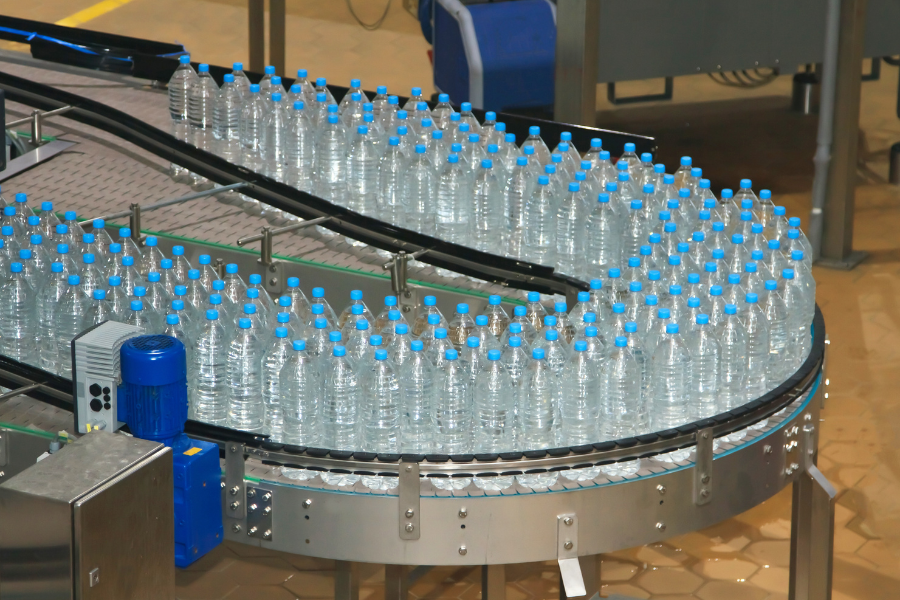
Carpet – residential and commercial broadloom and carpet tile – is manufactured using approximately 70% thermoplastics and 30% inert/inorganic fillers. The face fibers of carpeting can vary and are typically made from PET, nylon and/or polypropylene fibers. Billions of PET bottles are recycled each year in the production of PET carpets, making carpet the largest single outlet for recycled PET bottles. The backing consists of finely milled calcium carbonate with a small percentage of SBR Latex, which acts as the glue in the carpet manufacturing process.
All carpet recycling starts with a mechanical process and then can undergo the chemical recycling process to add avalue to the material. Mechanically recycled post-consumer carpet produces various streams of usable and sustainable materials. These materials make their way back into products that consumers use daily. From heat-resistant, hard plastic under the hoods of cars to concrete ballistic and forced-entry construction materials, this feedstock material will continue to be a sustainable choice when designing products for the circular economy.
Advances in chemical recycling have grown the market demand for post-consumer carpet feedstock. The face fiber – PET, polypropylene, nylon 6 and nylon 66 – can be processed to make a suitable feed material for the chemical recycling process. This process purifies the material streams to create the basic building blocks for polymers, monomers, oligomers or new hydrocarbon products.
These once-wasted materials are now a valuable commodity for a growing sustainability market segment. Major companies such as Eastman, Dow, PureCycle Technologies, ExxonMobil, Shell and Aquafil are increasingly interested and have committed hundreds of millions of dollars to building new plants as legislation around the county begins to support the diversion and recycling of post-consumer plastics in general.
The recent acquisition of California-based recycler Circular Polymers by the global high-performance materials manufacturer Ascend Performance Materials is just one indicator that manufacturers are looking to utilize these materials as a sustainable feedstock moving forward. Eastman has indicated that they are committed to their chemical process and will utilize 160,000 tons of PET per year in their newest facility. That operation is being brought on-line shortly.
As a result of these technological and business developments, carpet has become a valuable, sought-after feedstock. “Carpet: Feedstock for the Future” is the theme of the upcoming CARE Annual Conference, April 25-26 in Orlando, Fla. Collectors, processors and manufacturers from around the country will discuss recent developments in recycling technology, the ID equipment challenge, extended producer responsibility, and new products and markets.
Russ DeLozier is a carpet industry veteran who consults on plastics recycling, waste reduction, flooring recycling and overall sustainability issues. Rob Thiess is the product and market development manager for CARE.

TweetShare
Russ DeLozier and Rob Thiess

Russ DeLozier and Rob Thiess

Related Posts

Certification scorecard for the week of Feb. 16, 2026

byAntoinette Smith
February 18, 2026

The following facilities have achieved, renewed or otherwise regained certifications.

Sims Lifecycle leverages hyperscale decommissioning

Sims Lifecycle leverages hyperscale decommissioning

byDavid Daoud
February 18, 2026

A 70% surge, a new Ireland facility, and a DDR4 supply squeeze signal a changing competitive order in ITAD.

Republic Services waiting on fourth Polymer Center

Republic Services waiting on fourth Polymer Center

byAntoinette Smith
February 18, 2026

The nationwide hauler said higher Polymer Center volumes helped offset lower recycled commodity prices in 2025, with a third in...

Nebraska awards $7m in recycling grants

byAntoinette Smith
February 18, 2026

The grants will help fund waste and litter reduction projects, recycling programs, and costs to collect scrap tires, HHW, electronic...

Assurant reports fast expansion of reverse logistics

byScott Snowden
February 18, 2026

The company reported a 12% rise in Q4 profit as device trade-in and reverse logistics work expanded.

Carton recycling reaches 63% of US households

byScott Snowden
February 17, 2026

Carton recycling access rose to 63% of US households in 2025 after 2.5M homes gained service, with 86% of recycling...

Load More
Next Post
DOE announces more funding for battery recycling

DOE announces more funding for battery recycling

More Posts

Bipartisan reps introduce bill on recycling claims

Bipartisan reps introduce bill on recycling claims

February 12, 2026
Chinese processing group details goals for US visit

AMP lays out vision of next-generation, AI-driven MRFs

July 24, 2024
Republic Services waiting on fourth Polymer Center

Republic Services waiting on fourth Polymer Center

February 18, 2026
NERC: Blended average prices fell 40% in third quarter

HDPE, PP bales rise as paper fiber and cans stabilize

February 12, 2026

APR, industry create proactive guidance for PET caps

February 12, 2026

Focus on recycling film, flexibles takes shape in two reports

February 13, 2026

Origin Materials to reduce staff in reorg

February 13, 2026
Textile clothing bins

Report details how to make CA textile recycling work

February 16, 2026
Malaysia clamps down on illegal e-waste imports amid probes

Malaysia clamps down on illegal e-waste imports amid probes

February 6, 2026
The electronics recycling industry is undergoing a transformation from labor-intensive manual operations to highly automated, AI-driven facilities that use advanced robotics, cleaner chemistry and digital tracking systems to extract critical materials.

The cyber-physical MRF: AI and robotics reshape e-waste recovery

February 12, 2026
Load More

About & Publications

About Us

Staff

Archive

Magazine

Work With Us

Advertise
Jobs
Contact
Terms and Privacy

Newsletter

Get the latest recycling news and analysis delivered to your inbox every week. Stay ahead on industry trends, policy updates, and insights from programs, processors, and innovators.

Subscribe

Welcome Back!

Login to your account below

Forgotten Password?

Retrieve your password

Please enter your username or email address to reset your password.

Log In

Add New Playlist

No Result
View All Result
  • The Latest
  • Analysis
  • Recycling
  • E-Scrap
  • Plastics
  • Policy Now
  • Conferences
    • E-Scrap Conference
    • Plastics Recycling Conference
    • Resource Recycling Conference
    • Textiles Recovery Summit
  • Magazine
  • About Us
  • Advertise
  • Archive
  • Jobs
  • Staff
Subscribe
This website uses cookies. By continuing to use this website you are giving consent to cookies being used. Visit our Privacy and Cookie Policy.