Resource Recycling
  • The Latest
  • Analysis
    • All
    • Certification Scorecard
    • Industry Announcements
    • Opinion
    Rainforest

    Inside the Circle: What the rainforest can teach us about EPR

    Closeup of a printed circuitboard

    Hardware demand puts new focus on parts harvesting

    Rare look inside the world’s largest plastics recycler

    Mass balance matters: Why different rules can lead to different outcomes 

    Certification Scorecard — Week of June 1, 2026

    IT asset disposition and electronics recycling: Now and then

    $60 billion in AI servers will create an ITAD challenge

    The independent ITAD at a crossroads

    DMD acquires ITAD firm Lifespan, outlines acquisition strategy

  • Conferences
    • Resource Recycling Conference
    • Plastics Recycling Conference
    • E-Scrap: The Longevity Conference
    • Textiles Recovery Summit
  • Publications
    • E-Scrap News
    • Plastics Recycling Update
    • Policy Now
    • Resource Recycling
    • Other Topics
      • All Topics
      • Brand Owners
      • Critical Minerals
      • Glass
      • Grant Watch / RFPs
      • Markets
      • Organics
      • Packaging
      • Research
      • Technology
      • Textiles
Subscribe
No Result
View All Result
Resource Recycling
  • The Latest
  • Analysis
    • All
    • Certification Scorecard
    • Industry Announcements
    • Opinion
    Rainforest

    Inside the Circle: What the rainforest can teach us about EPR

    Closeup of a printed circuitboard

    Hardware demand puts new focus on parts harvesting

    Rare look inside the world’s largest plastics recycler

    Mass balance matters: Why different rules can lead to different outcomes 

    Certification Scorecard — Week of June 1, 2026

    IT asset disposition and electronics recycling: Now and then

    $60 billion in AI servers will create an ITAD challenge

    The independent ITAD at a crossroads

    DMD acquires ITAD firm Lifespan, outlines acquisition strategy

  • Conferences
    • Resource Recycling Conference
    • Plastics Recycling Conference
    • E-Scrap: The Longevity Conference
    • Textiles Recovery Summit
  • Publications
    • E-Scrap News
    • Plastics Recycling Update
    • Policy Now
    • Resource Recycling
    • Other Topics
      • All Topics
      • Brand Owners
      • Critical Minerals
      • Glass
      • Grant Watch / RFPs
      • Markets
      • Organics
      • Packaging
      • Research
      • Technology
      • Textiles
Subscribe
No Result
View All Result
Resource Recycling
No Result
View All Result
Home Recycling

New research focuses on global metals recycling

Marissa HeffernanbyMarissa Heffernan
June 7, 2022
in Recycling
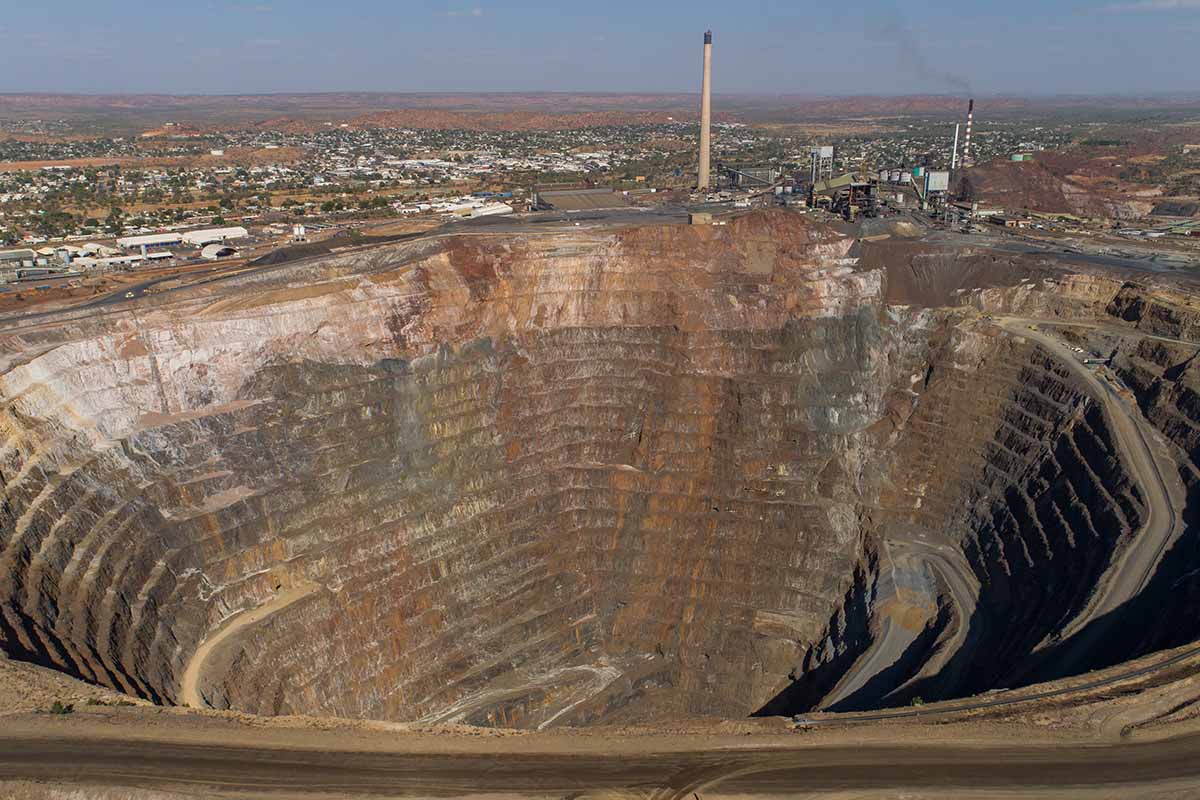
A report said the world’s stock of raw elements is at risk of running out and called for industries to shift away from mining the Earth to mining old devices for needed material. | Cam Laird/Shutterstock

A study on global metals recycling identified feedstock reliability, technology limitations and product design choices as barriers to increasing recycled metal usage.

Meanwhile, the U.K.’s Royal Society of Chemistry is trying to make consumers aware of the coming mineral shortage and urging everyone to focus on e-scrap recycling over mining to produce minerals needed for electronics.

“Green” metals draw interest, but problems remain

A 2022 Mining and Metals survey from global law firm White & Case found that many leaders in the mining and metals industry believe there will be greater emphasis on “green” metal, including recycled metal, in the coming years.

“Although early-stage, this has begun to play out, with industry players seeking to capitalize on the opportunity,” the report said.

The refining and processing of metals is one of the most significant global sources of greenhouse gas emissions, the report said. The aluminum and steel industries are estimated to contribute 2% and 7% of all global CO2 emissions, respectively.

Smelting scrap metal for recycling uses significantly less energy and has lower emissions, the report noted, and domestic recycling is more attractive lately with the global supply chain disruptions.

Right now, about 20% of global metals output is recycled, the report said. For there to be a stable global feedstock, more products will need to be designed for easier metal extraction.

“Despite the narrative of moving toward a circular economy, increasing industrialization and rising standards of living mean that it is not expected that there will be sufficient scrap feedstock alone to satisfy all of the global demand for metals,” the report said.

While “green” metal is attractive, the report warned there are still barriers. It noted that although smelting metal from scrap uses less energy than virgin, it still requires significant amounts of energy. That energy often comes from coal or natural gas. Even switching to electricity, which does not emit greenhouse gases at source, can be unsustainable, the report said.

“While the trend toward electrification is growing, and sources of green energy are increasing, the majority of power available on the grid in most countries continues to be sourced from fossil fuels,” the report said.

And just because metal is recycled does not mean it is ethical, the report warned, as “breaking down products and recovering scrap metal can be labor-intensive, which has traditionally been a driver for waste from industrialized countries being exported to less industrialized countries for sorting and processing.”

“Scrap originating in less industrialized countries also presents its own issues, with scrap metals often retrieved from rubbish dumps by hand, and in some cases by child labor,” the report said.  “The process of sorting scrap is also potentially dangerous and environmentally harmful, with hazardous substances leaching into the earth if the process is not properly managed and regulated.”

Governments will play a key role in overcoming obstacles using policies and legislation, the report predicted, and could offer economic incentives, mandate minimum recovery standards or provide financial support for recycling projects.

Critical electronics minerals running out

The Royal Society of Chemistry is running an outreach campaign on the risk of certain critical minerals used in electronics running out this century and emphasizing the need for more recycling.

“We urge everyone to be more conscious about how they use and reuse technology,” Tom Welton, president of the Royal Society of Chemistry, said in a statement. “Before you dispose of or replace it, ask yourself if it really needs replacing. Could it be repaired or updated? If it can’t be sold or donated, could it be recycled?”

The outreach campaign includes a survey of global opinions on electronics recycling broken down by country and profiles of high-risk elements such as nickel, lithium, cobalt, aluminum and tantalum.

According to the survey, a global average of 56.6% of people said they think manufacturers should be responsible for recycling. The online survey was of 10,000 people in 10 countries.

In an Independent article, Welton said the world’s “tech consumption habits remain highly unsustainable and have left us at risk of exhausting the raw elements we need.”

“It is essential that governments and businesses urgently do more to develop a circular economy which can tackle the world’s growing e-waste crisis and alleviate the strain on supply chains,” he added.

The Royal Society of Chemistry’s research also found that 60% of people said they would be likely to switch to a rival of their preferred technology brand if the rival’s product was made in a sustainable way.

A version of this story appeared in E-Scrap News on June 3.
 

Tags: Critical MineralsResearch
TweetShare
Marissa Heffernan

Marissa Heffernan

Marissa Heffernan worked at Resource Recycling from January 2022 through June 2025, first as staff reporter and then as associate editor. Marissa Heffernan started working for Resource Recycling in January 2022 after spending several years as a reporter at a daily newspaper in Southwest Washington. After developing a special focus on recycling policy, they were also the editor of the monthly newsletter Policy Now.

Related Posts

Rare earth processor lands $5.1M in Defense funds

IonicRE partnership supports recycled rare earth supply chain for defense magnets

byIsabella Burke
June 8, 2026

The Australian company is joining with Florida-based Advanced Magnet Lab in a new MOU.

Emerging technology holds the key to rare earth recovery

Emerging technology holds the key to rare earth recovery

byDan Wang, Toyoshima Green Tech
June 1, 2026

Toyoshima has developed a process that recovers critical materials at high purity in an efficient way.

Europe’s recyclers miss most of the critical materials

Europe’s recyclers miss most of the critical materials

byDavid Daoud
May 29, 2026

A major research project makes for sober reading for ITAD professionals.

Chemical recycling roundup: New plant, partnerships

Polystyrene’s circular future is already taking shape

byJustin Riney, Polystyrene Recycling Alliance
May 29, 2026

Justin Riney of the Polystyrene Recycling Alliance explores a study conducted with the Resource Recycling Systems consultancy.

Illinois expands battery recycling as lithium-ion fire concerns mount

Illinois expands battery recycling as lithium-ion fire concerns mount

byKeith Loria
May 27, 2026

The state is rolling out an expanded battery stewardship program, while fires continue to be a threat to recyclers nationwide.

MP Materials breaks ground on rare earth magnet campus in North Texas

How critical mineral alliances aim to shape the future of e-scrap metals

byDavid Daoud
May 21, 2026

The Minerals Integrity & Resilience Alliance (MIRA) is part of a broader effort to strengthen transparency and resilience across critical...

Load More
Next Post

Northeast state enacts first EPR law for fuel cylinders

More Posts

Recycling industry addresses Beyond Plastics report

Recycling industry addresses Beyond Plastics report

May 26, 2026
Machinex

Longview mill tragedy raises broader questions for fiber, recycling sectors

May 29, 2026
Fire at an EMR recycling facility in Camden, New Jersey May 29, 2026.

EMR faces shutdown calls after numerous fires

June 2, 2026
The independent ITAD at a crossroads

DMD acquires ITAD firm Lifespan, outlines acquisition strategy

June 2, 2026
IT asset disposition and electronics recycling: Now and then

$60 billion in AI servers will create an ITAD challenge

June 3, 2026
War, not demand driving polymer pricing

War, not demand driving polymer pricing

June 2, 2026
BASF, Encina expand circular feedstock partnership

BASF, Encina expand circular feedstock partnership

June 3, 2026
Our top stories from June 2021

Colorado advances EV battery EPR law

June 3, 2026
In My Opinion: Comparing the nation’s first packaging EPR laws

What Maine’s vape EPR law means for recyclers

June 4, 2026
California extends compostable labeling law

California bills crack down on false recycling, compostable claims

May 29, 2026
Load More

About & Publications

About Us

Staff

Archive

Magazine

Work With Us

Advertise
Jobs
Contact
Terms and Privacy

Newsletter

Get the latest recycling news and analysis delivered to your inbox every week. Stay ahead on industry trends, policy updates, and insights from programs, processors, and innovators.

Subscribe

Welcome Back!

Login to your account below

Forgotten Password?

Retrieve your password

Please enter your username or email address to reset your password.

Log In

Add New Playlist

No Result
View All Result
  • The Latest
  • Analysis
  • Recycling
  • E-Scrap
  • Plastics
  • Policy Now
  • Conferences
    • E-Scrap Conference
    • Plastics Recycling Conference
    • Resource Recycling Conference
    • Textiles Recovery Summit
  • Magazine
  • About Us
  • Advertise
  • Archive
  • Jobs
  • Staff
Subscribe
This website uses cookies. By continuing to use this website you are giving consent to cookies being used. Visit our Privacy and Cookie Policy.