





Resource Recycling
  • The Latest
  • Analysis
    • All
    • Certification Scorecard
    • Industry Announcements
    • Opinion
    The electronics recycling industry is undergoing a transformation from labor-intensive manual operations to highly automated, AI-driven facilities that use advanced robotics, cleaner chemistry and digital tracking systems to extract critical materials.

    The cyber-physical MRF: AI and robotics reshape e-waste recovery

    Certification scorecard for the week of Feb. 9, 2026

    Meta-Corning deal signals IT hardware retirement wave

    Meta-Corning deal signals IT hardware retirement wave

    Malaysia clamps down on illegal e-waste imports amid probes

    Malaysia clamps down on illegal e-waste imports amid probes

    URT builds alliance to remake electronics plastics at scale

    ICYMI: Top 5 e-scrap stories from January 2026

    The electronics recycling industry is undergoing a transformation from labor-intensive manual operations to highly automated, AI-driven facilities that use advanced robotics, cleaner chemistry and digital tracking systems to extract critical materials.

    Certification scorecard for the week of Feb. 2, 2026

    Auditors warn EU may fall short on critical metals

    Auditors warn EU may fall short on critical metals

    Industry announcements for January 2026

    Industry announcements for February 2026

    ICYMI: Top 5 recycling stories from January 2026

  • Conferences
  • Publications

    Other Topics

    Textiles
    Organics
    Packaging
    Glass
    Brand Owners

    Metals
    Technology
    Research
    Markets
    Grant Watch

    All Topics

Subscribe
No Result
View All Result
Resource Recycling
  • The Latest
  • Analysis
    • All
    • Certification Scorecard
    • Industry Announcements
    • Opinion
    The electronics recycling industry is undergoing a transformation from labor-intensive manual operations to highly automated, AI-driven facilities that use advanced robotics, cleaner chemistry and digital tracking systems to extract critical materials.

    The cyber-physical MRF: AI and robotics reshape e-waste recovery

    Certification scorecard for the week of Feb. 9, 2026

    Meta-Corning deal signals IT hardware retirement wave

    Meta-Corning deal signals IT hardware retirement wave

    Malaysia clamps down on illegal e-waste imports amid probes

    Malaysia clamps down on illegal e-waste imports amid probes

    URT builds alliance to remake electronics plastics at scale

    ICYMI: Top 5 e-scrap stories from January 2026

    The electronics recycling industry is undergoing a transformation from labor-intensive manual operations to highly automated, AI-driven facilities that use advanced robotics, cleaner chemistry and digital tracking systems to extract critical materials.

    Certification scorecard for the week of Feb. 2, 2026

    Auditors warn EU may fall short on critical metals

    Auditors warn EU may fall short on critical metals

    Industry announcements for January 2026

    Industry announcements for February 2026

    ICYMI: Top 5 recycling stories from January 2026

  • Conferences
  • Publications

    Other Topics

    Textiles
    Organics
    Packaging
    Glass
    Brand Owners

    Metals
    Technology
    Research
    Markets
    Grant Watch

    All Topics

Subscribe
No Result
View All Result
Resource Recycling
No Result
View All Result
Home Recycling

EPA lays out steps to bolster US recycling landscape

Colin StaubbyColin Staub
October 13, 2020
in Recycling
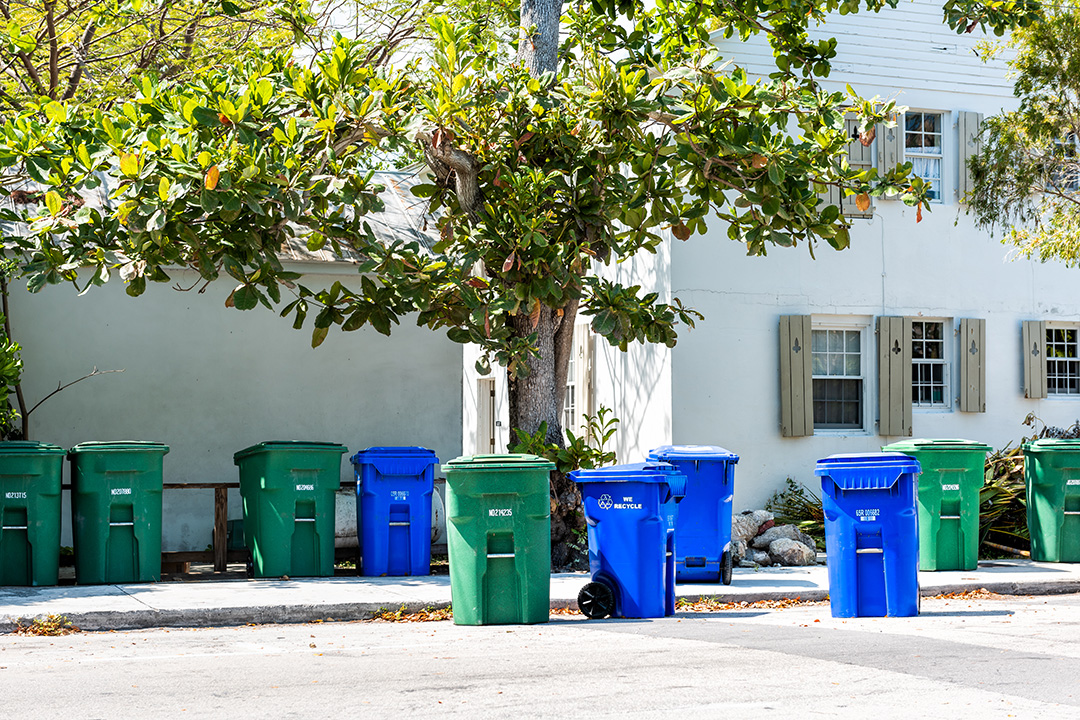
In addition to the draft strategy, the EPA plans to release a list of national recycling goals this fall. | Kristi Blokhin/Shutterstock

A draft of the U.S. EPA’s National Recycling Strategy was published last week. The plan aims to foster a “stronger, more resilient and cost-effective” recycling system.

The strategy, published Oct. 5, was developed with input from numerous recycling stakeholder groups. The document has three key guiding objectives: to reduce contamination, increase processing efficiency and improve domestic markets.

The strategy document defines “recycling” as “the series of activities by which discarded or used materials are collected, sorted based on physical/mechanical characteristics, processed and/or converted into feedstock and used in the manufacture of new products.”

The draft is part of a process that kicked off with the 2018 America Recycles Day Summit, which was held largely in response to major industry challenges from the loss of the Chinese market. Stakeholders developed a framework document identifying key problems and ways to advance the U.S. recycling system, and the new strategy builds off that work, according to the EPA.

In addition to the draft strategy, the EPA plans to release a list of national recycling goals this fall. The strategy will help the U.S. hit those as-yet unannounced goals.

The EPA is accepting comments on the draft strategy until Dec. 4. In particular, officials want to know which of the proposed actions would have the greatest positive impact at the local, regional and national levels; what key steps and milestones are needed to implement the strategy’s actions; which factors potential partner organizations would consider when deciding whether to lead an action in support of the strategy; what actions federal agencies should take; and any further actions that should be included in the strategy.

The strategy was crafted with input from federal, state and local governments, as well as the more than 260 America Recycles Day pledge signatories, a group that includes virtually every prominent recycling industry association and numerous paper, plastics, electronics and other material recycling firms.

Contamination reduction

The strategy identifies nine actions to enhance consumer outreach and better coordinate information on recycling programs between different government offices.

These actions include developing additional messaging and public-facing educational materials; identifying effective methods of outreach and incorporating those into a national outreach program; creating more consistent recycling labels for products and receptacles; and more.

Improve processing efficiency

Acknowledging that U.S. processing infrastructure “has not kept pace with the rapidly changing recyclables stream,” the strategy suggests five key action areas to boost U.S. processing capabilities.

These include creating a national map of current recycling infrastructure spanning collection centers, MRFs, reclaimers, paper mills, glass processors and more; identifying key needs for domestic infrastructure; better publicizing public and private funding opportunities and incentive programs to enhance infrastructure; continuing to fund technology research; promoting design-for-recyclability to manufacturers; and developing a national system of recycling definitions, measuring standards, targets and performance indicators.

Building up markets

The strategy references ongoing shifts and declines in overseas markets for key curbside recyclables, noting that this trend “has impacted the economics of recycling both within the United States and worldwide.”

To help U.S. market development, the strategy recommends increasing demand through various methods, focusing specifically on “materials with less mature markets”; conducting market development workshops; generating more data about the amount of recycled material generated and the needs of manufacturers; addressing barriers to greater recycled content use; improving communication to the public about the value of buying products with recycled content; and more.

 

Tags: Policy Now
TweetShare
Colin Staub

Colin Staub

Colin Staub was a reporter and associate editor at Resource Recycling until August 2025.

Related Posts

States push recycling reform forward in new year

byStefanie Valentic
February 2, 2026

New Jersey just passed a bill restricting single-use plastic items, California has opened another round of public comment on SB...

Stakeholders respond to California recyclability report

CalRecycle opens SB 54 draft for comments

byStefanie Valentic
February 2, 2026

Editor’s Note: California EPR will be featured in sessions at the co-located 2026 Resource Recycling Conference and Plastics Recycling Conference,...

Policy Now | January 2026 – Resolutions target packaging

Policy Now | January 2026 – Resolutions target packaging

byEditorial Staff
January 5, 2026

Legislators introduced new measures as 2025 wrapped up and the recycling industry geared up for 2026.

Federal PACK Act aims to preempt ‘patchwork’ of state laws

Federal PACK Act aims to preempt ‘patchwork’ of state laws

byAntoinette Smith
December 23, 2025

The Packaging and Claims Knowledge (PACK) Act is meant to avoid misleading labels that may confuse consumers and "undermine real...

Republicans propose US House bill on chemical recycling

byAntoinette Smith
December 12, 2025

The bill seeks to classify chemical recycling as a manufacturing process rather than as waste incineration, to help speed infrastructure...

Colorado approves final EPR plan for packaging

Colorado approves final EPR plan for packaging

byAntoinette Smith
December 10, 2025

The state approved the plan from Circular Action Alliance, clearing the way for the law's implementation within the next six...

Load More
Next Post
Oregon lawmakers pass EPS container ban

Deodorant in recyclable metal packaging? It's on the way

More Posts

Oregon’s Recycling Modernization Act faces injunction

Court partially blocks Oregon EPR law, dismisses bulk of lawsuit

February 10, 2026
Chinese processing group details goals for US visit

AMP lays out vision of next-generation, AI-driven MRFs

July 24, 2024

Greenchip launches fund for community impact and trust

February 5, 2026
Malaysia clamps down on illegal e-waste imports amid probes

Malaysia clamps down on illegal e-waste imports amid probes

February 6, 2026

REUSE Act heads to US House for consideration

February 9, 2026

Allied Industrial portfolio companies complete two early-year deals

February 5, 2026

Amcor expects flat sales volumes to continue 

February 6, 2026

ecoATM recycled 7.5M phones in 2025 as payouts hit $1.5B

February 10, 2026
Meta-Corning deal signals IT hardware retirement wave

Meta-Corning deal signals IT hardware retirement wave

February 9, 2026
Packaging Corp. to buy Greif containerboard segment

Export trends offset containerboard production decline

February 6, 2026
Load More

About & Publications

About Us

Staff

Archive

Magazine

Work With Us

Advertise
Jobs
Contact
Terms and Privacy

Newsletter

Get the latest recycling news and analysis delivered to your inbox every week. Stay ahead on industry trends, policy updates, and insights from programs, processors, and innovators.

Subscribe

Welcome Back!

Login to your account below

Forgotten Password?

Retrieve your password

Please enter your username or email address to reset your password.

Log In

Add New Playlist

No Result
View All Result
  • The Latest
  • Analysis
  • Recycling
  • E-Scrap
  • Plastics
  • Policy Now
  • Conferences
    • E-Scrap Conference
    • Plastics Recycling Conference
    • Resource Recycling Conference
    • Textiles Recovery Summit
  • Magazine
  • About Us
  • Advertise
  • Archive
  • Jobs
  • Staff
Subscribe
This website uses cookies. By continuing to use this website you are giving consent to cookies being used. Visit our Privacy and Cookie Policy.