


Resource Recycling
  • The Latest
  • Analysis
    • All
    • Certification Scorecard
    • Industry Announcements
    • Opinion
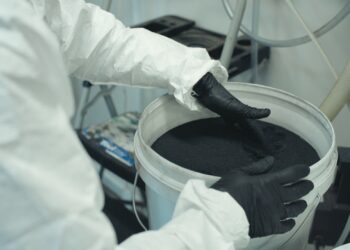
    The electronics recycling industry is undergoing a transformation from labor-intensive manual operations to highly automated, AI-driven facilities that use advanced robotics, cleaner chemistry and digital tracking systems to extract critical materials.

    The cyber-physical MRF: AI and robotics reshape e-waste recovery

    Certification scorecard for the week of Feb. 9, 2026

    Meta-Corning deal signals IT hardware retirement wave

    Meta-Corning deal signals IT hardware retirement wave

    Malaysia clamps down on illegal e-waste imports amid probes

    Malaysia clamps down on illegal e-waste imports amid probes

    URT builds alliance to remake electronics plastics at scale

    ICYMI: Top 5 e-scrap stories from January 2026

    The electronics recycling industry is undergoing a transformation from labor-intensive manual operations to highly automated, AI-driven facilities that use advanced robotics, cleaner chemistry and digital tracking systems to extract critical materials.

    Certification scorecard for the week of Feb. 2, 2026

    Auditors warn EU may fall short on critical metals

    Auditors warn EU may fall short on critical metals

    Industry announcements for January 2026

    Industry announcements for February 2026

    ICYMI: Top 5 recycling stories from January 2026

  • Conferences
  • Publications

    Other Topics

    Textiles
    Organics
    Packaging
    Glass
    Brand Owners

    Metals
    Technology
    Research
    Markets
    Grant Watch

    All Topics

Subscribe
No Result
View All Result
Resource Recycling
  • The Latest
  • Analysis
    • All
    • Certification Scorecard
    • Industry Announcements
    • Opinion
    The electronics recycling industry is undergoing a transformation from labor-intensive manual operations to highly automated, AI-driven facilities that use advanced robotics, cleaner chemistry and digital tracking systems to extract critical materials.

    The cyber-physical MRF: AI and robotics reshape e-waste recovery

    Certification scorecard for the week of Feb. 9, 2026

    Meta-Corning deal signals IT hardware retirement wave

    Meta-Corning deal signals IT hardware retirement wave

    Malaysia clamps down on illegal e-waste imports amid probes

    Malaysia clamps down on illegal e-waste imports amid probes

    URT builds alliance to remake electronics plastics at scale

    ICYMI: Top 5 e-scrap stories from January 2026

    The electronics recycling industry is undergoing a transformation from labor-intensive manual operations to highly automated, AI-driven facilities that use advanced robotics, cleaner chemistry and digital tracking systems to extract critical materials.

    Certification scorecard for the week of Feb. 2, 2026

    Auditors warn EU may fall short on critical metals

    Auditors warn EU may fall short on critical metals

    Industry announcements for January 2026

    Industry announcements for February 2026

    ICYMI: Top 5 recycling stories from January 2026

  • Conferences
  • Publications

    Other Topics

    Textiles
    Organics
    Packaging
    Glass
    Brand Owners

    Metals
    Technology
    Research
    Markets
    Grant Watch

    All Topics

Subscribe
No Result
View All Result
Resource Recycling
No Result
View All Result
Home Recycling

How small businesses can access federal relief dollars

byJared Paben
March 31, 2020
in Recycling
The $2 trillion Coronavirus Aid, Relief, and Economic Security (CARES) Act includes $377 billion for small businesses. | ItzaVU/Shutterstock

The bipartisan stimulus bill signed into law by President Trump last week includes hundreds of billions of dollars in assistance to small businesses.

The $2 trillion Coronavirus Aid, Relief, and Economic Security (CARES) Act includes $377 billion for small businesses, according to The New York Times. The money would fund COVID-19-related assistance programs administered by the U.S. Small Business Administration (SBA).

“There are terrific amounts of money being being provided for small businesses and large businesses through this for them to take advantage of, stay operational, and to pay employees and to keep them in the economy,” Billy Johnson, chief lobbyist for the Institute of Scrap Recycling Industries (ISRI), explained in an ISRI podcast immediately after Congress passed the CARES Act.

Small-business help

The SBA’s Paycheck Protection Program offers loans of up to $10 million to small businesses to pay workers. Loan payments are deferred for six months, and if the small business maintains its workforce, the SBA will forgive the portion of the loan proceeds used to cover the first eight weeks of payroll and certain other expenses. Eligible businesses include those with 500 or fewer employees (eligibility can be extended to larger companies in certain industries, according to the SBA).

The loans are immediately available through more than 800 SBA-certified lenders, Johnson said. “Most all banks that our members are dealing with are most likely Small Business Administration-certified banks and lenders, so it’s going back to them,” Johnson said. “What the SBA is doing is they’re backstopping those loans through this program.”

Additionally, the SBA has established the COVID-19 Economic Injury Disaster Loan program, which provides low-interest loans to small businesses of up to $2 million. To help businesses struggling with temporary revenue losses, the SBA within three days will provide a $10,000 advance on the loan. The advance will not have to be repaid but the rest will. According to ISRI, the CARES Act expanded the eligibility for economic injury disaster loans and it gave the SBA more flexibility to process smaller loans.

The SBA also launched what it calls the Express Bridge Loan Pilot Program, which allows small businesses to access up to $25,000 faster and with less paperwork than other loan programs, according to the SBA. If a business needs cash while waiting for a disaster loan to be approved, they may qualify for an Express Bridge Loan, which would be repaid by proceeds from the economic injury disaster loan once it’s approved.

The agency is also providing special debt relief to small businesses that borrow through the SBA’s pre-coronavirus 7(a) loan program.

Additionally, Johnson said the CARES Act increased the cap for loans under the SBA’s Express Loan program from $350,000 to $1 million. The program, which offers quicker access to cash than through the standard 7(a) program, provides borrowers with revolving lines of credit for working capital.

The above programs apply only to small businesses. The SBA offers an online tool that can be used to determine whether a particular business would be considered “small” (for search purposes, the NAICS code for materials recovery facilities is 562920).

The new programs already appear to have drawn overwhelming interest from businesses. The New York Times reports the SBA’s website has been overloaded at times, and that people who have been able to complete loan applications have been told the applications will take at least three weeks to process.

Support for big companies and unemployed individuals

In addition to supporting businesses with fewer than 500 employees, the CARES Act provides assistance to individual taxpayers, unemployed workers and large companies.

A New York Times Q&A provides more details on the direct payments to individuals and the broadening of eligibility for unemployment insurance.

Johnson noted that for larger businesses, the CARES Act provides $500 billion for loans, loan guarantees and other investments, Johnson explained. That program, the Treasury Department’s Exchange Stabilization Fund, requires loans to be used to retain at least 90% of the company’s workforce. It prohibits spending the money on stock buybacks.

 

Tags: Industry GroupsLegislation
TweetShare
Jared Paben

Jared Paben

Related Posts

UN trade data, tools aim to shape plastics treaty talks

UN trade data, tools aim to shape plastics treaty talks

byAntoinette Smith
February 17, 2026

UN agencies aim to use the harmonized trade data and a statistical framework to improve outcomes for the global negotiations,...

Textile clothing bins

Report details how to make CA textile recycling work

byPaul Lane
February 16, 2026

A new report confirms the sentiment that led to a new textile recovery law in California, detailing just how much...

Focus on recycling film, flexibles takes shape in two reports

byAntoinette Smith
February 13, 2026

The US Plastics Pact and the Alliance to End Plastic Waste released reports outlining necessary steps to improving recycling outcomes...

Bipartisan reps introduce bill on recycling claims

Bipartisan reps introduce bill on recycling claims

byAntoinette Smith
February 12, 2026

Legislators introduced the Recycled Materials Attribution Act in the US House, drawing support from a new industry group and scrutiny...

APR, industry create proactive guidance for PET caps

byAntoinette Smith
February 12, 2026

The Association of Plastic Recyclers recognized that developing guidelines before PET caps were completely developed and commercialized was crucial, and...

APR expands recycling efforts in Mexico, Latin America

byAntoinette Smith
February 11, 2026

The organization aims to leverage Mexico's leadership in plastics recycling and vital role in North American markets.

Load More
Next Post

Lockdowns and shipping strife snarl scrap exports

More Posts

Chinese processing group details goals for US visit

AMP lays out vision of next-generation, AI-driven MRFs

July 24, 2024
Oregon’s Recycling Modernization Act faces injunction

Court partially blocks Oregon EPR law, dismisses bulk of lawsuit

February 10, 2026
Malaysia clamps down on illegal e-waste imports amid probes

Malaysia clamps down on illegal e-waste imports amid probes

February 6, 2026

APR, industry create proactive guidance for PET caps

February 12, 2026

REUSE Act heads to US House for consideration

February 9, 2026
Bipartisan reps introduce bill on recycling claims

Bipartisan reps introduce bill on recycling claims

February 12, 2026

Alpek talks PET overcapacity, soft demand

February 11, 2026
Texas sues over dumped wind turbine blades

Texas sues over dumped wind turbine blades

February 10, 2026
The electronics recycling industry is undergoing a transformation from labor-intensive manual operations to highly automated, AI-driven facilities that use advanced robotics, cleaner chemistry and digital tracking systems to extract critical materials.

The cyber-physical MRF: AI and robotics reshape e-waste recovery

February 12, 2026
NERC: Blended average prices fell 40% in third quarter

HDPE, PP bales rise as paper fiber and cans stabilize

February 12, 2026
Load More

About & Publications

About Us

Staff

Archive

Magazine

Work With Us

Advertise
Jobs
Contact
Terms and Privacy

Newsletter

Get the latest recycling news and analysis delivered to your inbox every week. Stay ahead on industry trends, policy updates, and insights from programs, processors, and innovators.

Subscribe

Welcome Back!

Login to your account below

Forgotten Password?

Retrieve your password

Please enter your username or email address to reset your password.

Log In

Add New Playlist

No Result
View All Result
  • The Latest
  • Analysis
  • Recycling
  • E-Scrap
  • Plastics
  • Policy Now
  • Conferences
    • E-Scrap Conference
    • Plastics Recycling Conference
    • Resource Recycling Conference
    • Textiles Recovery Summit
  • Magazine
  • About Us
  • Advertise
  • Archive
  • Jobs
  • Staff
Subscribe
This website uses cookies. By continuing to use this website you are giving consent to cookies being used. Visit our Privacy and Cookie Policy.