










Resource Recycling
  • The Latest
  • Analysis
    • All
    • Certification Scorecard
    • Industry Announcements
    • Opinion
    The electronics recycling industry is undergoing a transformation from labor-intensive manual operations to highly automated, AI-driven facilities that use advanced robotics, cleaner chemistry and digital tracking systems to extract critical materials.

    The cyber-physical MRF: AI and robotics reshape e-waste recovery

    Certification scorecard for the week of Feb. 9, 2026

    Meta-Corning deal signals IT hardware retirement wave

    Meta-Corning deal signals IT hardware retirement wave

    Malaysia clamps down on illegal e-waste imports amid probes

    Malaysia clamps down on illegal e-waste imports amid probes

    URT builds alliance to remake electronics plastics at scale

    ICYMI: Top 5 e-scrap stories from January 2026

    The electronics recycling industry is undergoing a transformation from labor-intensive manual operations to highly automated, AI-driven facilities that use advanced robotics, cleaner chemistry and digital tracking systems to extract critical materials.

    Certification scorecard for the week of Feb. 2, 2026

    Auditors warn EU may fall short on critical metals

    Auditors warn EU may fall short on critical metals

    Industry announcements for January 2026

    Industry announcements for February 2026

    ICYMI: Top 5 recycling stories from January 2026

  • Conferences
  • Publications

    Other Topics

    Textiles
    Organics
    Packaging
    Glass
    Brand Owners

    Metals
    Technology
    Research
    Markets
    Grant Watch

    All Topics

Subscribe
No Result
View All Result
Resource Recycling
  • The Latest
  • Analysis
    • All
    • Certification Scorecard
    • Industry Announcements
    • Opinion
    The electronics recycling industry is undergoing a transformation from labor-intensive manual operations to highly automated, AI-driven facilities that use advanced robotics, cleaner chemistry and digital tracking systems to extract critical materials.

    The cyber-physical MRF: AI and robotics reshape e-waste recovery

    Certification scorecard for the week of Feb. 9, 2026

    Meta-Corning deal signals IT hardware retirement wave

    Meta-Corning deal signals IT hardware retirement wave

    Malaysia clamps down on illegal e-waste imports amid probes

    Malaysia clamps down on illegal e-waste imports amid probes

    URT builds alliance to remake electronics plastics at scale

    ICYMI: Top 5 e-scrap stories from January 2026

    The electronics recycling industry is undergoing a transformation from labor-intensive manual operations to highly automated, AI-driven facilities that use advanced robotics, cleaner chemistry and digital tracking systems to extract critical materials.

    Certification scorecard for the week of Feb. 2, 2026

    Auditors warn EU may fall short on critical metals

    Auditors warn EU may fall short on critical metals

    Industry announcements for January 2026

    Industry announcements for February 2026

    ICYMI: Top 5 recycling stories from January 2026

  • Conferences
  • Publications

    Other Topics

    Textiles
    Organics
    Packaging
    Glass
    Brand Owners

    Metals
    Technology
    Research
    Markets
    Grant Watch

    All Topics

Subscribe
No Result
View All Result
Resource Recycling
No Result
View All Result
Home Recycling

Packaging EPR on the way in another Canadian province

Colin StaubbyColin Staub
November 5, 2019
in Recycling
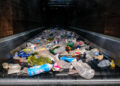
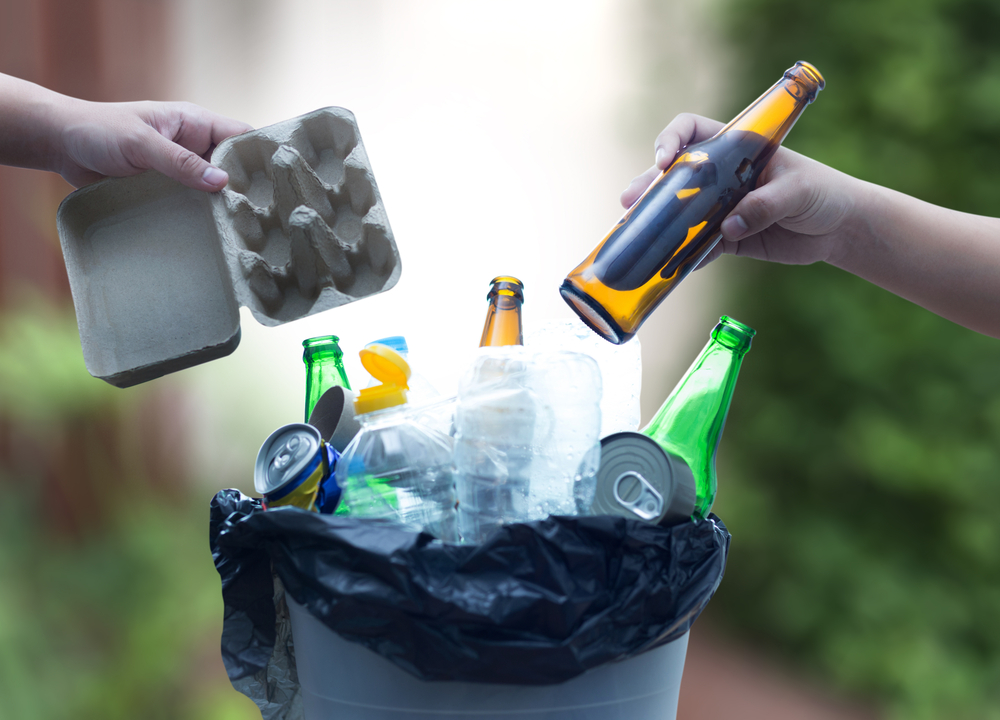
Packaging EPR is already in place in British Columbia, Manitoba, Ontario, Saskatchewan and Quebec. | One Photo / Shutterstock

New Brunswick will require that manufacturers pay for the end-of-life collection and processing of the packaging materials they produce. 

The New Brunswick Department of Environment and Local Government on Oct. 18 announced that printed paper and packaging will be covered by extended producer responsibility (EPR) legislation. 

The program is being developed by the government and Recycle NB, a stewardship group that manages extended producer responsibility programs for electronics, tires, paint, oil and more.

In a statement, backers of the policy said they expect the move will double printed paper and packaging diversion in the province from its current 30% to an estimated 60%.

“An extended producer responsibility program for packaging and printed paper will help reduce waste and reduce strain on our landfills,” said Wayne Sturgeon, president of the Union of Municipalities of New Brunswick. “It will save local governments money without costing our residents more in taxes.”

Sturgeon also touched on the economics of EPR, noting that “since many products are priced nationally, New Brunswickers are already paying without getting the benefits.”

The official announcement follows an extensive period of research and dialogue between stakeholders on the possibility of packaging EPR. Recycle NB began looking into implementing EPR in New Brunswick and other Atlantic provinces in 2015, according to a report issued earlier this year.

Through that research, Recycle NB concluded that EPR in New Brunswick “could provide up to $15 million for municipalities to off-set the cost of recycling packaging and printed paper.”

The research also looked at other Canadian provincial EPR programs. Similar – but not identical – systems are in place in British Columbia, Manitoba, Ontario, Saskatchewan and Quebec. 

The provinces allocate producer responsibility in different shares. For example, while British Columbia has a 100% industry funded system, Saskatchewan has 75% industry funding and Ontario has been at 50% but is moving toward 100%.

It’s not clear what level of industry funding the New Brunswick program will require. It’s also unclear what the timeline will look like for implementation.

In a statement to Resource Recycling, the New Brunswick environmental department said “final details of the program will be determined after stakeholder discussions take place and the department begins to draft the regulation.”

2020 Resource Recycling Conference

Tags: CanadaEPRLegislation
TweetShare
Colin Staub

Colin Staub

Colin Staub was a reporter and associate editor at Resource Recycling until August 2025.

Related Posts

Bipartisan reps introduce bill on recycling claims

Bipartisan reps introduce bill on recycling claims

byAntoinette Smith
February 12, 2026

Legislators introduced the Recycled Materials Attribution Act in the US House, drawing support from a new industry group and scrutiny...

Oregon’s Recycling Modernization Act faces injunction

Court partially blocks Oregon EPR law, dismisses bulk of lawsuit

byStefanie Valentic
February 10, 2026

An Oregon federal court issued a limited injunction halting the state's EPR law for members of NAW, but rejected the...

Member states select new chair for global plastics treaty

Member states select new chair for global plastics treaty

byAntoinette Smith
February 10, 2026

During a short session, the Intergovernmental Negotiating Committee elected Chilean diplomat Julio Cordano to continue efforts toward an internationally binding...

Dual WM MRF launch strengthens Ontario recycling infrastructure

Dual WM MRF launch strengthens Ontario recycling infrastructure

byStefanie Valentic
February 9, 2026

WM has opened two new facilities in Ontario capable of processing 30% of the province's total volumes under new EPR...

REUSE Act heads to US House for consideration

byAntoinette Smith
February 9, 2026

The bill would require the US EPA to collect data on reuse and refill systems across industries including consumer packaging,...

German researchers say plastics treaty still within reach

byAntoinette Smith
February 4, 2026

In a new white paper, the group proposes three key changes to revive the treaty talks after a new chair...

Load More
Next Post

Deposits double for many drinks in British Columbia

More Posts

Oregon’s Recycling Modernization Act faces injunction

Court partially blocks Oregon EPR law, dismisses bulk of lawsuit

February 10, 2026
Chinese processing group details goals for US visit

AMP lays out vision of next-generation, AI-driven MRFs

July 24, 2024
Malaysia clamps down on illegal e-waste imports amid probes

Malaysia clamps down on illegal e-waste imports amid probes

February 6, 2026

REUSE Act heads to US House for consideration

February 9, 2026

ecoATM recycled 7.5M phones in 2025 as payouts hit $1.5B

February 10, 2026
Meta-Corning deal signals IT hardware retirement wave

Meta-Corning deal signals IT hardware retirement wave

February 9, 2026

APR, industry create proactive guidance for PET caps

February 12, 2026
Texas sues over dumped wind turbine blades

Texas sues over dumped wind turbine blades

February 10, 2026

Alpek talks PET overcapacity, soft demand

February 11, 2026
The electronics recycling industry is undergoing a transformation from labor-intensive manual operations to highly automated, AI-driven facilities that use advanced robotics, cleaner chemistry and digital tracking systems to extract critical materials.

The cyber-physical MRF: AI and robotics reshape e-waste recovery

February 12, 2026
Load More

About & Publications

About Us

Staff

Archive

Magazine

Work With Us

Advertise
Jobs
Contact
Terms and Privacy

Newsletter

Get the latest recycling news and analysis delivered to your inbox every week. Stay ahead on industry trends, policy updates, and insights from programs, processors, and innovators.

Subscribe

Welcome Back!

Login to your account below

Forgotten Password?

Retrieve your password

Please enter your username or email address to reset your password.

Log In

Add New Playlist

No Result
View All Result
  • The Latest
  • Analysis
  • Recycling
  • E-Scrap
  • Plastics
  • Policy Now
  • Conferences
    • E-Scrap Conference
    • Plastics Recycling Conference
    • Resource Recycling Conference
    • Textiles Recovery Summit
  • Magazine
  • About Us
  • Advertise
  • Archive
  • Jobs
  • Staff
Subscribe
This website uses cookies. By continuing to use this website you are giving consent to cookies being used. Visit our Privacy and Cookie Policy.