





Resource Recycling
  • The Latest
  • Analysis
    • All
    • Certification Scorecard
    • Industry Announcements
    • Opinion
    Industry announcements for January 2026

    Industry Announcements for March 2026

    HP receives ocean plastics certification

    HP Inc. earnings point to memory inflation challenge

    Certification scorecard for the week of Feb. 23, 2026

    Umicore highlights strength in recycling, catalysis

    Apto, Tusaar partner on rare earths recovery

    Apto, Tusaar partner on rare earths recovery

    Certification scorecard for the week of Feb. 16, 2026

    Sims Lifecycle leverages hyperscale decommissioning

    Sims Lifecycle leverages hyperscale decommissioning

    The electronics recycling industry is undergoing a transformation from labor-intensive manual operations to highly automated, AI-driven facilities that use advanced robotics, cleaner chemistry and digital tracking systems to extract critical materials.

    The cyber-physical MRF: AI and robotics reshape e-waste recovery

    Certification scorecard for the week of Feb. 9, 2026

  • Conferences
  • Publications

    Other Topics

    Textiles
    Organics
    Packaging
    Glass
    Brand Owners

    Metals
    Technology
    Research
    Markets
    Grant Watch

    All Topics

Subscribe
No Result
View All Result
Resource Recycling
  • The Latest
  • Analysis
    • All
    • Certification Scorecard
    • Industry Announcements
    • Opinion
    Industry announcements for January 2026

    Industry Announcements for March 2026

    HP receives ocean plastics certification

    HP Inc. earnings point to memory inflation challenge

    Certification scorecard for the week of Feb. 23, 2026

    Umicore highlights strength in recycling, catalysis

    Apto, Tusaar partner on rare earths recovery

    Apto, Tusaar partner on rare earths recovery

    Certification scorecard for the week of Feb. 16, 2026

    Sims Lifecycle leverages hyperscale decommissioning

    Sims Lifecycle leverages hyperscale decommissioning

    The electronics recycling industry is undergoing a transformation from labor-intensive manual operations to highly automated, AI-driven facilities that use advanced robotics, cleaner chemistry and digital tracking systems to extract critical materials.

    The cyber-physical MRF: AI and robotics reshape e-waste recovery

    Certification scorecard for the week of Feb. 9, 2026

  • Conferences
  • Publications

    Other Topics

    Textiles
    Organics
    Packaging
    Glass
    Brand Owners

    Metals
    Technology
    Research
    Markets
    Grant Watch

    All Topics

Subscribe
No Result
View All Result
Resource Recycling
No Result
View All Result
Home Recycling

US asks developed nations to omit Basel plastic rules

Colin StaubbyColin Staub
July 16, 2019
in Recycling
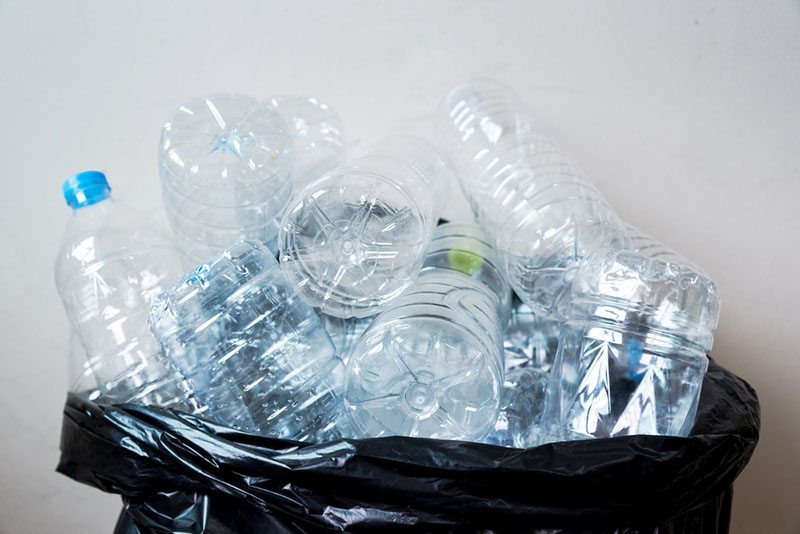
Regulatory changes could prevent the U.S. from exporting mixed plastics to a number of countries. | rawf8/Shutterstock

Federal regulators are asking countries that are major buyers of U.S. recyclables to refrain from implementing new trade restrictions laid out in the Basel Convention, a treaty covering global scrap material shipments.

U.S. EPA Administrator Andrew Wheeler on July 3 sent a letter to the Organisation for Economic Cooperation and Development (OECD), a consortium whose members are generally considered non-developing nations. In his letter, Wheeler references significant scrap plastics-related changes that were approved to the Basel Convention on the Control of Transboundary Movements of Hazardous Wastes and Their Disposal earlier this year.

The U.S. has a unique stake in asking that OECD countries not adopt the Basel changes. The U.S. is the only OECD member that is not a party to the Basel Convention.

Under the current terms of the Convention, OECD member countries can continue receiving shipments from non-Basel party countries. If the OECD adopts the Basel changes, however, that trade relationship could change, hampering scrap material shipments to other developed nations.

Changes came amid marine debris anxieties

The Basel changes, which were given the thumbs up during a meeting of world governments in May, were framed as a way to tackle the growing marine debris problem. Among other measures, the changes will impose restrictions on scrap plastic shipments, particularly targeting the trade of mixed plastics.

As far as how they affect the U.S., it could theoretically prevent the U.S. from exporting mixed plastics to any country that’s a party to the Basel Convention, except for OECD countries. The OECD includes Canada and Mexico as well as most European nations, South Korea and a handful of other countries.

Although their full impact on the recycling industry is unclear – the changes officially take hold Jan. 1, 2021 – experts anticipate even larger disruption to the industry than the export strife spurred by China’s import restrictions. Countries that are parties to the Basel Convention must adopt the Convention changes into their own national laws.

In a press release, the Basel Action Network (BAN), a watchdog group that generally opposes U.S. scrap exports, explained that under OECD policy, the OECD group would typically automatically adopt the changes into its own rules, which are applied to member countries. However, if an objection is submitted from a member country, the adoption process is put on hold, according to BAN.

The EPA’s letter serves as such an objection.

Managed in ‘environmentally sound manner’

Wheeler wrote that the OECD countries have “attained high environmental standards and have the capacity to manage waste in an environmentally sound manner,” with less than 1% of scrap plastic “mismanaged” among OECD members.

Subjecting OECD countries to the restrictive Basel changes “would impede trade for recycling and could reduce the level of recycling among OECD countries,” Wheeler wrote. “If trade becomes more difficult, we anticipate that more OECD-generated plastic scrap will be disposed in landfills, sent for incineration or used for fuel, which are less-preferred options on the waste-management hierarchy.”

Instead, Wheeler asks that scrap plastic be considered under a less-stringent guideline, the “Green” control procedure, which still requires that the material being shipped is destined for recycling operations but would avoid a handful of additional regulations set out in the new Basel changes. Using this guideline, Wheeler wrote, “will help ensure that the material can move to jurisdictions that can recycle it efficiently and in an environmentally sound manner.”

In a statement, the Institute of Scrap Recycling Industries (ISRI) described the EPA letter as “an important step in facilitating a proper discussion on how recycling works and is part of the solution toward keeping end of life materials – including plastics – out of the environment.”

“Restricting trade does not solve the true causes of pollution that result from poor waste management and careless human behavior,” said Adina Renee Adler, assistant vice president for international affairs for ISRI. “The OECD will be an important venue to direct the international community’s attention toward proper information about the value of end-of-life materials and how to ensure they are responsibly recycled.”

BAN, the nonprofit watchdog group, condemned Wheeler’s letter, stating that the Basel changes will improve recycling.

“Rather than requiring waste traders to first clean and separate plastic wastes or else get the importing country’s permission to receive it, the U.S. seeks a free-trade pathway to allow its waste brokers to dump dirty, unrecyclable wastes on other OECD countries such as Mexico, Canada, Turkey and South Korea with impunity,” said Jim Puckett, BAN’s executive director, in the group’s news release.

 

Shred Tech

Tags: Policy NowTrade & Tariffs
TweetShare
Colin Staub

Colin Staub

Colin Staub was a reporter and associate editor at Resource Recycling until August 2025.

Related Posts

California selects Landbell USA as PRO for textile EPR

byStefanie Valentic
March 2, 2026

CalRecycle has tapped European recycling veteran Landbell USA to lead the nation's first textile EPR program.

Borealis, Borouge aim to bolster PE, PP recycling in Indonesia

byPaul Lane
February 27, 2026

Plastics recycling in the Southeast Asian nation focuses on PET and on industrial and commercial waste, while post‑consumer polyolefin packaging...

State policy is redefining plastics recycling in the US

State policy is redefining plastics recycling in the US

byKate Bailey
February 19, 2026

This year marks the midpoint of a decade defined by major shifts in plastics and recycling policy. Here’s what to...

Wisconsin proposes E-Cycle target revisions

Wisconsin proposes E-Cycle target revisions

byScott Snowden
February 17, 2026

The state proposed updates clarifying target calculations, waiver standards and adding select battery devices to eligible collections, with public comment...

UN trade data, tools aim to shape plastics treaty talks

UN trade data, tools aim to shape plastics treaty talks

byAntoinette Smith
February 17, 2026

UN agencies aim to use the harmonized trade data and a statistical framework to improve outcomes for the global negotiations,...

Alpek talks PET overcapacity, soft demand

byAntoinette Smith
February 11, 2026

Executives from the Mexico-headquartered polyester giant said the Chinese government has acknowledged issues and convened PET producers, but Alpek is...

Load More
Next Post

Recycling firm plunges into papermaking with $320M mill

More Posts

Rising containerboard demand comes as OCC prices taper

November 5, 2024
PET bales stacked for recycling.

Evergreen closing RPET plants in Ohio, New York

February 24, 2026

Paper giants foresee continuing rise in OCC prices

August 28, 2023

North American paper mills discuss demand, OCC pricing

May 15, 2023
Recycled plastic lumber firms report diverging results

Trex CEO to retire after 23-year run

February 25, 2026
Battery fire risk isn’t going away. Insurance is responding

Battery fire risk isn’t going away. Insurance is responding

February 24, 2026
Chinese processing group details goals for US visit

AMP lays out vision of next-generation, AI-driven MRFs

July 24, 2024
How will 2026 unfold for plastics recycling?

How will 2026 unfold for plastics recycling?

February 19, 2026

California selects Landbell USA as PRO for textile EPR

March 2, 2026
Minnesota publishes prelim EPR assessment

Minnesota publishes prelim EPR assessment

February 20, 2026
Load More

About & Publications

About Us

Staff

Archive

Magazine

Work With Us

Advertise
Jobs
Contact
Terms and Privacy

Newsletter

Get the latest recycling news and analysis delivered to your inbox every week. Stay ahead on industry trends, policy updates, and insights from programs, processors, and innovators.

Subscribe

Welcome Back!

Login to your account below

Forgotten Password?

Retrieve your password

Please enter your username or email address to reset your password.

Log In

Add New Playlist

No Result
View All Result
  • The Latest
  • Analysis
  • Recycling
  • E-Scrap
  • Plastics
  • Policy Now
  • Conferences
    • E-Scrap Conference
    • Plastics Recycling Conference
    • Resource Recycling Conference
    • Textiles Recovery Summit
  • Magazine
  • About Us
  • Advertise
  • Archive
  • Jobs
  • Staff
Subscribe
This website uses cookies. By continuing to use this website you are giving consent to cookies being used. Visit our Privacy and Cookie Policy.