







Story has been updated to clarify beverage container recycling rates.
California has published its first estimates of recycling rates for packaging in line with its emerging extended producer responsibility legislation, showing that most plastics are being recycled at very low rates – far short of the law’s targets.
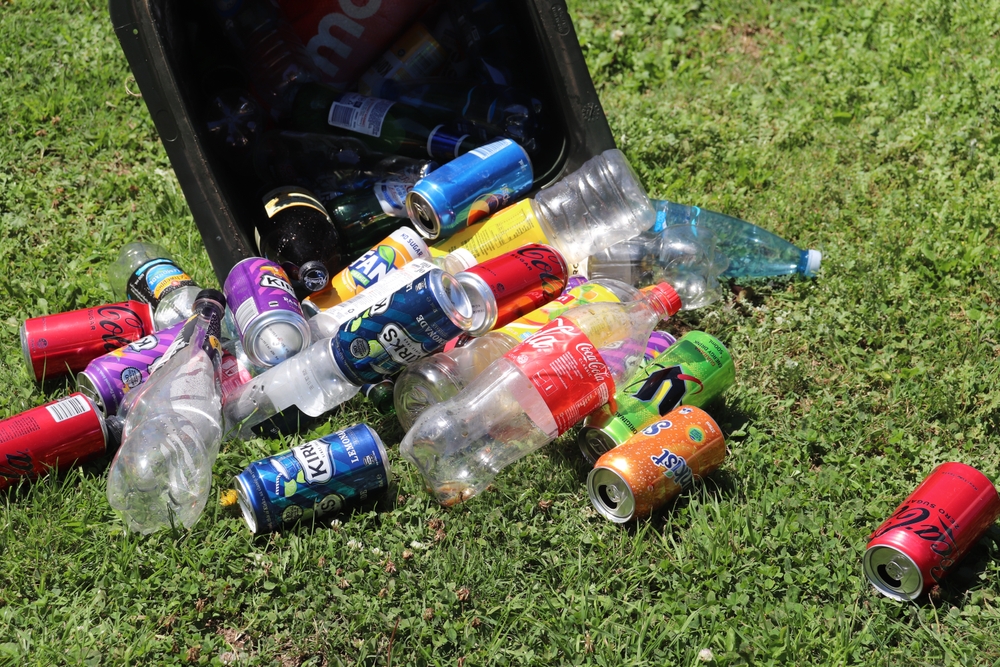
Among common plastic packaging types, HDPE saw the highest recycling rate, with both natural and pigmented bottles and jugs at 19%, and rigid containers at <23%. Clear PET bottles were recycled at a rate of 16%, but it was not immediately clear whether that total was exclusive of container deposit redemption rates. Redemption data from the Container Recycling Institute from 2023 indicates a rate of 63% for PET bottles.
On Jan. 12, CalRecycle confirmed that the published recycling rates are for materials subject to SB 54, which does not apply to beverage containers included in the state’s DRS.
Although most plastic recycling rates were in single digits, other materials such as glass and paper fiber were recycled at much higher rates, according to the report.
Once implemented, the state’s landmark legislation will mandate that plastic packaging and single-use flatware have a 65% recycling rate by 2032. California’s state Legislature passed SB 54 in 2022, and Gov. Gavin Newsom signed it into law the same year. But implementation has been delayed amid concerns from the governor and from industry stakeholders.
The recent CalRecycle report estimated recycling rates based on the share of covered materials discarded in 2024. The agency said in an October 2025 characterization study that residents disposed of about 8.5 million tons of packaging and serviceware, while 40 million tons went to landfills. Of that material, roughly one fifth falls within the covered materials list under SB 54.
| Plastic packaging types | ||
| PET | ||
| Clear bottles | 16% | |
| Colored bottles | 5% | |
| Rigid containers | 4% | |
| HDPE | ||
| Natural and colored bottles | 19% | |
| Rigids | < 23% | |
| Flexibles and film | 5% | |
| LDPE | ||
| Clear non-bag film and flexible packaging | 5% | |
| Rigids | 0% | |
| PP | ||
| Bottles, containers, lids, etc. | 2% | |
| PS | ||
| EPS containers | < 1% | |
| PS utensils | < 1% | |
| Containers | < 2% |
The estimates noted there was insufficient information for several categories, including PET flexible and film items, LDPE bottles, PP utensils and clear PP non-bag film.
| Non-plastic materials | |
| White paper | 71% |
| OCC | 68% |
| Glass bottles and jars | 65% |
| Non-aerosol aluminum containers | < 39% |
| Kraft paper | 30% |
| Paperboard | 30% |
| Aseptic and gable-top containers | < 1% |