


Resource Recycling
  • The Latest
  • Analysis
    • All
    • Certification Scorecard
    • Industry Announcements
    • Opinion

    Certification scorecard for the week of Feb. 16, 2026

    Sims Lifecycle leverages hyperscale decommissioning

    Sims Lifecycle leverages hyperscale decommissioning

    The electronics recycling industry is undergoing a transformation from labor-intensive manual operations to highly automated, AI-driven facilities that use advanced robotics, cleaner chemistry and digital tracking systems to extract critical materials.

    The cyber-physical MRF: AI and robotics reshape e-waste recovery

    Certification scorecard for the week of Feb. 9, 2026

    Meta-Corning deal signals IT hardware retirement wave

    Meta-Corning deal signals IT hardware retirement wave

    Malaysia clamps down on illegal e-waste imports amid probes

    Malaysia clamps down on illegal e-waste imports amid probes

    URT builds alliance to remake electronics plastics at scale

    ICYMI: Top 5 e-scrap stories from January 2026

    The electronics recycling industry is undergoing a transformation from labor-intensive manual operations to highly automated, AI-driven facilities that use advanced robotics, cleaner chemistry and digital tracking systems to extract critical materials.

    Certification scorecard for the week of Feb. 2, 2026

    Auditors warn EU may fall short on critical metals

    Auditors warn EU may fall short on critical metals

  • Conferences
  • Publications

    Other Topics

    Textiles
    Organics
    Packaging
    Glass
    Brand Owners

    Metals
    Technology
    Research
    Markets
    Grant Watch

    All Topics

Subscribe
No Result
View All Result
Resource Recycling
  • The Latest
  • Analysis
    • All
    • Certification Scorecard
    • Industry Announcements
    • Opinion

    Certification scorecard for the week of Feb. 16, 2026

    Sims Lifecycle leverages hyperscale decommissioning

    Sims Lifecycle leverages hyperscale decommissioning

    The electronics recycling industry is undergoing a transformation from labor-intensive manual operations to highly automated, AI-driven facilities that use advanced robotics, cleaner chemistry and digital tracking systems to extract critical materials.

    The cyber-physical MRF: AI and robotics reshape e-waste recovery

    Certification scorecard for the week of Feb. 9, 2026

    Meta-Corning deal signals IT hardware retirement wave

    Meta-Corning deal signals IT hardware retirement wave

    Malaysia clamps down on illegal e-waste imports amid probes

    Malaysia clamps down on illegal e-waste imports amid probes

    URT builds alliance to remake electronics plastics at scale

    ICYMI: Top 5 e-scrap stories from January 2026

    The electronics recycling industry is undergoing a transformation from labor-intensive manual operations to highly automated, AI-driven facilities that use advanced robotics, cleaner chemistry and digital tracking systems to extract critical materials.

    Certification scorecard for the week of Feb. 2, 2026

    Auditors warn EU may fall short on critical metals

    Auditors warn EU may fall short on critical metals

  • Conferences
  • Publications

    Other Topics

    Textiles
    Organics
    Packaging
    Glass
    Brand Owners

    Metals
    Technology
    Research
    Markets
    Grant Watch

    All Topics

Subscribe
No Result
View All Result
Resource Recycling
No Result
View All Result
Home Plastics

RPET imports driving ‘perfect storm’ for reclaimers

Colin StaubbyColin Staub
March 26, 2024
in Plastics
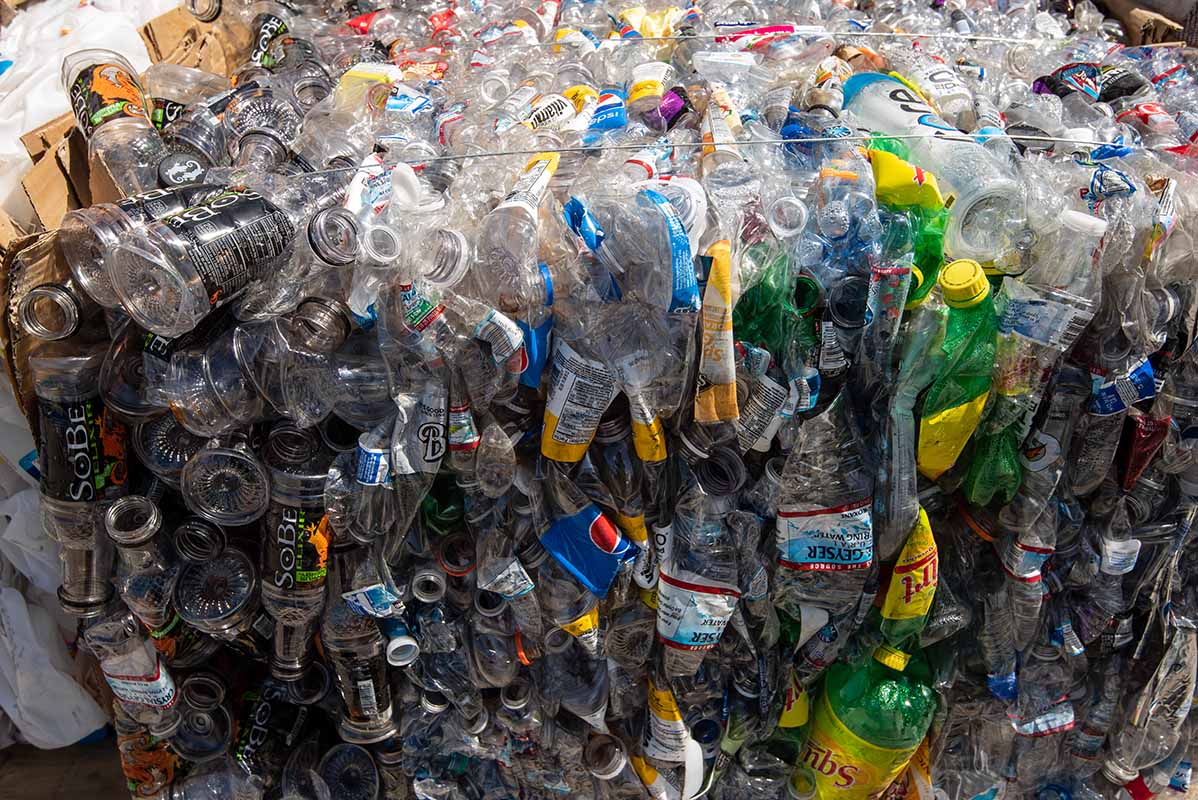
In January 2024, the U.S. imported 52.5 million pounds of scrap PET, over double the amount imported into the country in January 2023. | MarieKaz/Shutterstock

Scrap PET imports reached an all-time single-month record high in January, coming on the heels of a year that brought record-high imports of the post-consumer resin. 

For the U.S. plastics recycling industry, the influx, primarily of flaked material, is piling onto a surge of virgin PET flowing into the country to create a situation one reclaimer described as “brutal.”

“It’s really pushed the sale price down for reclaimers in California to try to compete,” said Paul Bahou, president of Global Plastics Recycling, a Perris, California-based PET reclaimer. “Most people are selling at cost just to get orders.”

The imports are driven by a confluence of global factors, including an economic slowdown in China and shipping availability opening up. Additionally, in California, the surge in imported feedstock comes at the same time scrap PET bales are increasingly being bought by reclaimers in Mexico, leaving California’s processors hunting for inbound material.

“It’s a bit of a perfect storm situation,” said Sally Houghton, executive director of the Plastic Recycling Corporation of California, a PET broker. She noted California reclaimers are being forced to pay more for bales, then sell their output RPET for lower prices because of the competition from imports. “It’s a tough market for California reclaimers.”

Factors behind the surge

In January the U.S. imported 52.5 million pounds of scrap PET. That’s well over double the amount imported into the country in January 2023, and it’s the highest single month of recycled PET imports on record. It also comes after a year that saw recovered PET imports jump 33% year over year, reaching a new high of 450 million pounds.

The 2023 increase was driven by a spike in RPET imports coming into the U.S. from southeast Asia, particularly Thailand: Imports increased from 20 million pounds in 2022 to 51 million pounds in 2023. Canada also sent 21% more RPET in 2023 than the prior year. The large increases were offset by Mexico sending substantially less, as its domestic reclamation industry has expanded significantly.

The RPET entering the U.S. is typically in flake form, recovered and processed outside the country but in high demand by U.S. end users – particularly for the low prices offered by overseas sellers.

It’s an unusual twist to see such high imports of what was – until a few years ago – a major export commodity. In 2014, the U.S. exported 813 million pounds of recycled PET, with 65% of it going to China; in 2023, several years after China restricted imports of scrap plastic, U.S. exports of recycled PET had dropped to just 142 million pounds, with less than 1% of it going to China.

There are a few factors playing into the surge in U.S. imports of scrap PET. For one, moving material across the Pacific suddenly became economically viable.

“I think the main driver was a return to cheap shipping containers after COVID had kind of worked its way through the global economy,” Bahou said. 

Additionally, a surge in resin capacity in China – the Washington Post recently reported China added 17 new resin plants last year – led to a situation where resin producers in the region were suddenly looking to move material to markets elsewhere. That has been exacerbated by an economic slowdown within China.

The import data, first reported by market research firm ICIS in February, puts numbers to what PET reclaimers have been feeling for several months.

Bahou was blunt about the impact on reclaimers.

“It’s just brutal,” he said.

A lifeline in California?

Bahou noted California has been particularly hard hit, because it’s particularly attractive to ship flake and resin from Asia across the Pacific to California.

His company buys post-consumer bales of California deposit material, and it has the capacity to process 40 to 50 million pounds of PET per year. But right now, he says, “myself and many other companies I know are not at full capacity – most of us are at half capacity.”

He and other reclaimers have identified one possible fix in California. Bahou suggested that CalRecycle “adjust its parameters on how it incentivizes the use of bales within the state, and incentivizes the use of post-consumer products within the state.”

CalRecycle’s Plastic Market Development Payment Program is designed to do just that, and in fact a recent update to the program was intended to specifically incentivize PET recycling in the state. But Bahou said the program has one major drawback currently: The payments are set far too low to meaningfully help reclaimers. 

He says there’s a 10-cent-per-pound gap between post-consumer resin prices currently and the price they need to be at for reclaimers to be financially sustainable. But the payment program currently pays between $50 and $75 per ton to PET reclaimers, which translates to about 3 or 4 cents per pound for reclaimers.

“That’s not going to bridge your 10-cent gap,” Bahou said.

He and other plastics reclaimers have joined together as a group called the Alliance of Plastic Processors to lobby CalRecycle to increase the payments to $150 per ton. That gets the payments closer to closing the price gap between virgin or imported recycled material and California-generated bales.

The push for policy solutions stretches outside of California. A March 19 discussion hosted by ICIS emphasized that plastics recycling companies in Western countries need “maximum protection” from the overcapacity in the virgin resin market.

“Governments must do much more to protect recycled polymer producers in the west as rising oversupply in virgin markets, led by China, threatens to undermine their business model,” the consultancy noted.

Bahou says the push for assistance in the reclamation sector reflects a wider need for focus on all stages of the plastics recycling system, rather than what many reclaimers see as a narrow emphasis on collection.

“The human body can’t exist if you only give healthcare to the top third of it,” Bahou said. “Recycling is the same way. If you’re only focused on one third of the process you’re going to run into problems.”


TweetShare
Colin Staub

Colin Staub

Colin Staub was a reporter and associate editor at Resource Recycling until August 2025.

Related Posts

PureCycle, Toppan partner on recycled PP films

PureCycle, Toppan partner on recycled PP films

byAntoinette Smith
February 19, 2026

Next the companies will target thermoforming applications where brand owners are seeking recycled content solutions to comply with upcoming mandates.

Sony heads renewable plastic supply chain

Sony heads renewable plastic supply chain

byScott Snowden
February 19, 2026

Sony and 13 partners formed a unique global supply chain to make circular plastics for Sony high-performance audiovisual products using...

SWANA, Fire Rover partner on reporting tool

byAntoinette Smith
February 19, 2026

Industry stakeholders can use the new site to report fires occurring at their facilities or in vehicles, to help support...

Nebraska grant recipients include electronics, battery programs

byAntoinette Smith
February 19, 2026

The grants will help fund collection of used electronics in the state, which last year passed a battery EPR law.

Certification scorecard for the week of Feb. 16, 2026

byAntoinette Smith
February 18, 2026

The following facilities have achieved, renewed or otherwise regained certifications.

Sims Lifecycle leverages hyperscale decommissioning

Sims Lifecycle leverages hyperscale decommissioning

byDavid Daoud
February 18, 2026

A 70% surge, a new Ireland facility, and a DDR4 supply squeeze signal a changing competitive order in ITAD.

Load More
Next Post
Panel digs into intersection of design, recyclability

Panel digs into intersection of design, recyclability

More Posts

Republic Services waiting on fourth Polymer Center

Republic Services waiting on fourth Polymer Center

February 18, 2026
Sims Lifecycle leverages hyperscale decommissioning

Sims Lifecycle leverages hyperscale decommissioning

February 18, 2026
NERC: Blended average prices fell 40% in third quarter

HDPE, PP bales rise as paper fiber and cans stabilize

February 12, 2026
Bipartisan reps introduce bill on recycling claims

Bipartisan reps introduce bill on recycling claims

February 12, 2026
Chinese processing group details goals for US visit

AMP lays out vision of next-generation, AI-driven MRFs

July 24, 2024
Textile clothing bins

Report details how to make CA textile recycling work

February 16, 2026

Focus on recycling film, flexibles takes shape in two reports

February 13, 2026

Origin Materials to reduce staff in reorg

February 13, 2026

APR, industry create proactive guidance for PET caps

February 12, 2026
Sony heads renewable plastic supply chain

Sony heads renewable plastic supply chain

February 19, 2026
Load More

About & Publications

About Us

Staff

Archive

Magazine

Work With Us

Advertise
Jobs
Contact
Terms and Privacy

Newsletter

Get the latest recycling news and analysis delivered to your inbox every week. Stay ahead on industry trends, policy updates, and insights from programs, processors, and innovators.

Subscribe

Welcome Back!

Login to your account below

Forgotten Password?

Retrieve your password

Please enter your username or email address to reset your password.

Log In

Add New Playlist

No Result
View All Result
  • The Latest
  • Analysis
  • Recycling
  • E-Scrap
  • Plastics
  • Policy Now
  • Conferences
    • E-Scrap Conference
    • Plastics Recycling Conference
    • Resource Recycling Conference
    • Textiles Recovery Summit
  • Magazine
  • About Us
  • Advertise
  • Archive
  • Jobs
  • Staff
Subscribe
This website uses cookies. By continuing to use this website you are giving consent to cookies being used. Visit our Privacy and Cookie Policy.