




Resource Recycling
  • The Latest
  • Analysis
    • All
    • Certification Scorecard
    • Industry Announcements
    • Opinion
    The electronics recycling industry is undergoing a transformation from labor-intensive manual operations to highly automated, AI-driven facilities that use advanced robotics, cleaner chemistry and digital tracking systems to extract critical materials.

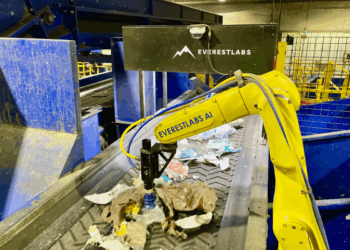
    The cyber-physical MRF: AI and robotics reshape e-waste recovery

    Certification scorecard for the week of Feb. 9, 2026

    Meta-Corning deal signals IT hardware retirement wave

    Meta-Corning deal signals IT hardware retirement wave

    Malaysia clamps down on illegal e-waste imports amid probes

    Malaysia clamps down on illegal e-waste imports amid probes

    URT builds alliance to remake electronics plastics at scale

    ICYMI: Top 5 e-scrap stories from January 2026

    The electronics recycling industry is undergoing a transformation from labor-intensive manual operations to highly automated, AI-driven facilities that use advanced robotics, cleaner chemistry and digital tracking systems to extract critical materials.

    Certification scorecard for the week of Feb. 2, 2026

    Auditors warn EU may fall short on critical metals

    Auditors warn EU may fall short on critical metals

    Industry announcements for January 2026

    Industry announcements for February 2026

    ICYMI: Top 5 recycling stories from January 2026

  • Conferences
  • Publications

    Other Topics

    Textiles
    Organics
    Packaging
    Glass
    Brand Owners

    Metals
    Technology
    Research
    Markets
    Grant Watch

    All Topics

Subscribe
No Result
View All Result
Resource Recycling
  • The Latest
  • Analysis
    • All
    • Certification Scorecard
    • Industry Announcements
    • Opinion
    The electronics recycling industry is undergoing a transformation from labor-intensive manual operations to highly automated, AI-driven facilities that use advanced robotics, cleaner chemistry and digital tracking systems to extract critical materials.

    The cyber-physical MRF: AI and robotics reshape e-waste recovery

    Certification scorecard for the week of Feb. 9, 2026

    Meta-Corning deal signals IT hardware retirement wave

    Meta-Corning deal signals IT hardware retirement wave

    Malaysia clamps down on illegal e-waste imports amid probes

    Malaysia clamps down on illegal e-waste imports amid probes

    URT builds alliance to remake electronics plastics at scale

    ICYMI: Top 5 e-scrap stories from January 2026

    The electronics recycling industry is undergoing a transformation from labor-intensive manual operations to highly automated, AI-driven facilities that use advanced robotics, cleaner chemistry and digital tracking systems to extract critical materials.

    Certification scorecard for the week of Feb. 2, 2026

    Auditors warn EU may fall short on critical metals

    Auditors warn EU may fall short on critical metals

    Industry announcements for January 2026

    Industry announcements for February 2026

    ICYMI: Top 5 recycling stories from January 2026

  • Conferences
  • Publications

    Other Topics

    Textiles
    Organics
    Packaging
    Glass
    Brand Owners

    Metals
    Technology
    Research
    Markets
    Grant Watch

    All Topics

Subscribe
No Result
View All Result
Resource Recycling
No Result
View All Result
Home Plastics

EPA opts to maintain existing pyrolysis air rules

byJared Paben
June 6, 2023
in Plastics
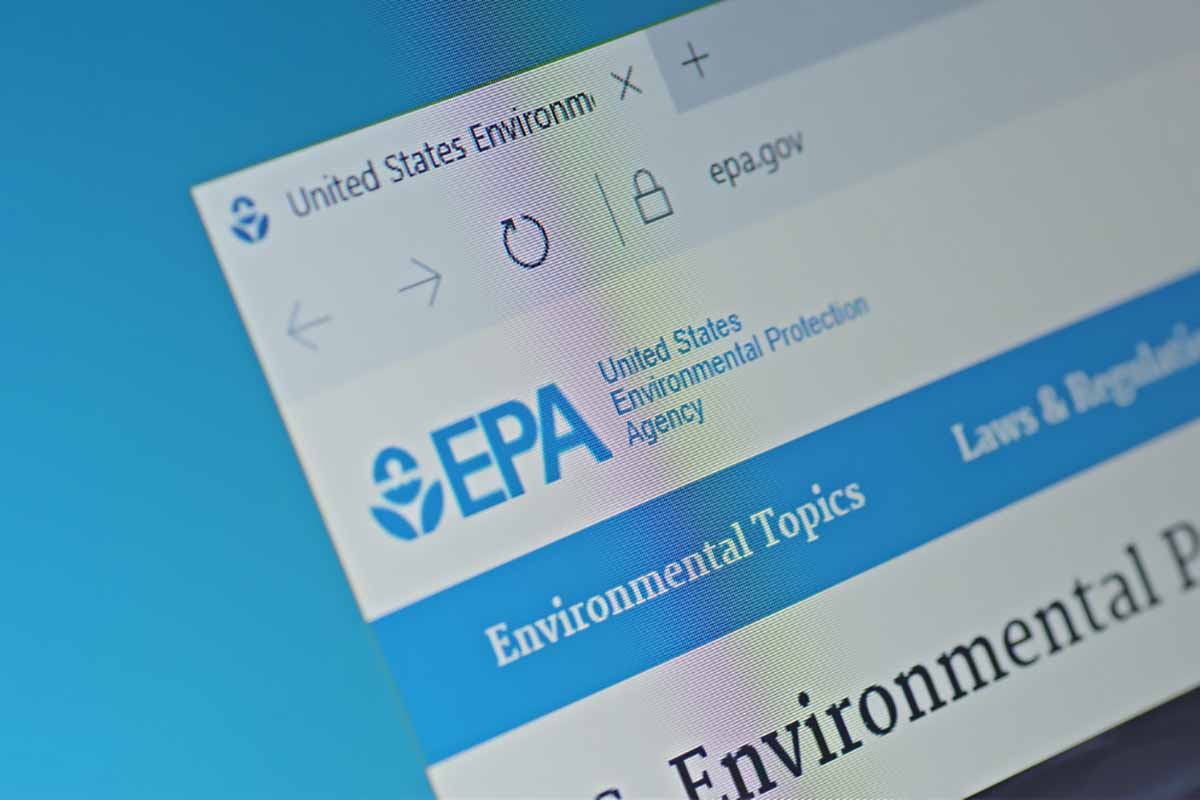
Although many states have reclassified pyrolysis as a manufacturing process, the U.S. EPA will preserve its status as a form of incineration under federal law. | g0d4ather/Shutterstock

Ample time and staff resources are needed to study and gain a technical and regulatory understanding of the air quality impacts of pyrolysis. In the meantime, the process should remain subject to more stringent regulatory requirements, the U.S. EPA decided. 

Reversing a proposal put forward in the last year of the Trump administration, the EPA on May 24 decided to continue applying the current Clean Air Act requirements for pyrolysis. 

The plastics industry has been pushing pyrolysis, which involves breaking down plastics and other materials with heat in a no- or low-oxygen environment, as one of many technologies capable of recycling plastics that aren’t generally recycled through mechanical means. 

The chemical recycling processes – or “advanced recycling” technologies, as the chemical industry calls them – break molecular chains of polymers to produce chemicals that can be used to make fuels, oil or new plastics. 

The plastics industry, which is lobbying states to classify such processes as manufacturing rather than waste management to ease regulatory barriers, point to their potential to lift stagnant plastics recycling rates. 

Environmentalists and some in the recycling industry have been fighting the chemical recycling proposals, saying the processes involve significant environmental impacts, often produce fuels that are burned and are simply used to justify continued plastic production. 

Two dozen states have now passed bills categorizing chemical recycling as manufacturing, rather than incineration of waste. The most recent two were Louisiana, which had its bill signed into law on June 1, and Texas, which had the legislation signed into law on May 27.

EPA reverses course

In 2020, as it was reviewing Clean Air Act definitions for possible changes, the U.S EPA proposed to remove pyrolysis from the definition of “other solid waste incineration” units. Inclusion in that definition brings certain air quality requirements. The proposal to remove pyrolysis drew a flood of negative comments, the agency noted.

On May 24, EPA Administrator Michael Regan signed a notice stating that the agency has decided to nix that proposal and leave pyrolysis in the “other solid waste incineration” definition. The recent decision was reported by Inside Climate News on June 3. 

In its decision, EPA noted that pyrolysis “is a complex process that is starting to be used in many and varied industries.” 

“The EPA will need significant time and personnel resources to fully analyze the comments and evaluate all current information sources to gain a technical and regulatory understanding of the pyrolysis process,” according to the notice. Meanwhile, the agency is under a court-ordered deadline to finalize definitions for “other solid waste incineration” facilities. 

In the meantime, the agency wants to play it safe by leaving existing regulations for pyrolysis intact.

“The EPA does not believe it would be appropriate for those sources to become unregulated emissions sources during the time required for our analysis of pyrolysis/combustion units to be completed, particularly if the Agency ultimately concludes that regulation is needed,” the decision noted. 

Inside Climate News reported that environmental groups Earthjustice and California Communities Against Toxics celebrated the EPA’s decision and said it would keep in place pollution control requirements that protect communities. 

The American Chemistry Council (ACC) said it would continue to make the case that pyrolysis is not incineration. 

“In its 2020 proposed rule, EPA correctly concluded that pyrolysis is not combustion of solid waste,” ACC wrote in a statement to Plastics Recycling Update. “The facts underlying that finding have not changed.  For this and related reasons, many states have correctly concluded these innovative recycling technologies should be regulated as manufacturing operations.  EPA’s action on Monday has not altered how advanced recycling facilities are regulated at multiple levels and under many laws, including the Clean Air Act.  ACC will continue to engage the EPA and provide science-backed information on advanced recycling.”


Tags: Policy Now
TweetShare
Jared Paben

Jared Paben

Related Posts

States push recycling reform forward in new year

byStefanie Valentic
February 2, 2026

New Jersey just passed a bill restricting single-use plastic items, California has opened another round of public comment on SB...

Stakeholders respond to California recyclability report

CalRecycle opens SB 54 draft for comments

byStefanie Valentic
February 2, 2026

Editor’s Note: California EPR will be featured in sessions at the co-located 2026 Resource Recycling Conference and Plastics Recycling Conference,...

Policy Now | January 2026 – Resolutions target packaging

Policy Now | January 2026 – Resolutions target packaging

byEditorial Staff
January 5, 2026

Legislators introduced new measures as 2025 wrapped up and the recycling industry geared up for 2026.

Federal PACK Act aims to preempt ‘patchwork’ of state laws

Federal PACK Act aims to preempt ‘patchwork’ of state laws

byAntoinette Smith
December 23, 2025

The Packaging and Claims Knowledge (PACK) Act is meant to avoid misleading labels that may confuse consumers and "undermine real...

Republicans propose US House bill on chemical recycling

byAntoinette Smith
December 12, 2025

The bill seeks to classify chemical recycling as a manufacturing process rather than as waste incineration, to help speed infrastructure...

Colorado approves final EPR plan for packaging

Colorado approves final EPR plan for packaging

byAntoinette Smith
December 10, 2025

The state approved the plan from Circular Action Alliance, clearing the way for the law's implementation within the next six...

Load More
Next Post
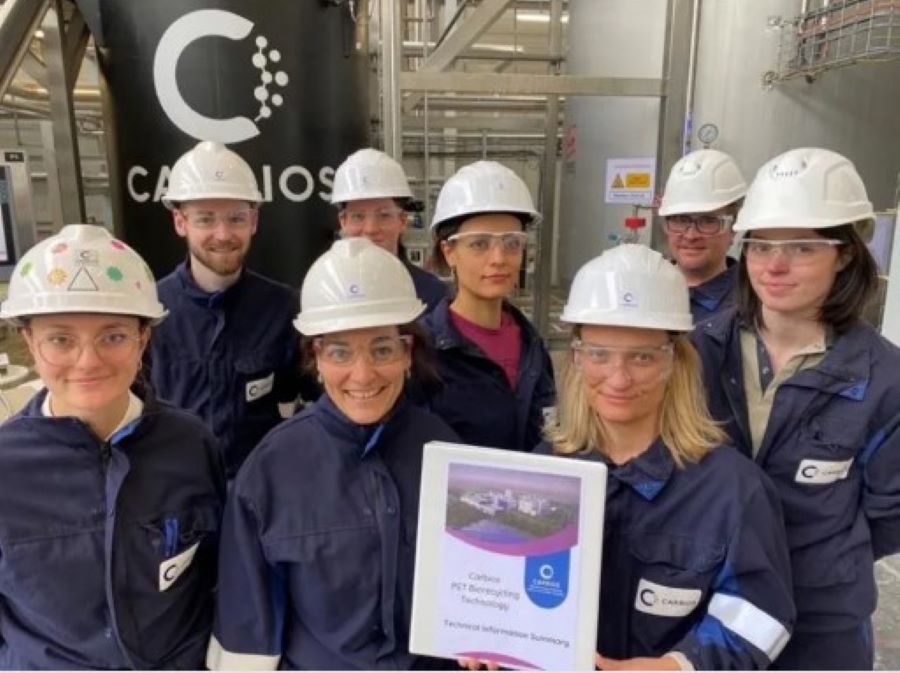
Indorama partners with Carbios on PET biorecycling plant

Indorama partners with Carbios on PET biorecycling plant

More Posts

Oregon’s Recycling Modernization Act faces injunction

Court partially blocks Oregon EPR law, dismisses bulk of lawsuit

February 10, 2026
Chinese processing group details goals for US visit

AMP lays out vision of next-generation, AI-driven MRFs

July 24, 2024
Malaysia clamps down on illegal e-waste imports amid probes

Malaysia clamps down on illegal e-waste imports amid probes

February 6, 2026

REUSE Act heads to US House for consideration

February 9, 2026

ecoATM recycled 7.5M phones in 2025 as payouts hit $1.5B

February 10, 2026
Meta-Corning deal signals IT hardware retirement wave

Meta-Corning deal signals IT hardware retirement wave

February 9, 2026

APR, industry create proactive guidance for PET caps

February 12, 2026
Texas sues over dumped wind turbine blades

Texas sues over dumped wind turbine blades

February 10, 2026

Alpek talks PET overcapacity, soft demand

February 11, 2026
The electronics recycling industry is undergoing a transformation from labor-intensive manual operations to highly automated, AI-driven facilities that use advanced robotics, cleaner chemistry and digital tracking systems to extract critical materials.

The cyber-physical MRF: AI and robotics reshape e-waste recovery

February 12, 2026
Load More

About & Publications

About Us

Staff

Archive

Magazine

Work With Us

Advertise
Jobs
Contact
Terms and Privacy

Newsletter

Get the latest recycling news and analysis delivered to your inbox every week. Stay ahead on industry trends, policy updates, and insights from programs, processors, and innovators.

Subscribe

Welcome Back!

Login to your account below

Forgotten Password?

Retrieve your password

Please enter your username or email address to reset your password.

Log In

Add New Playlist

No Result
View All Result
  • The Latest
  • Analysis
  • Recycling
  • E-Scrap
  • Plastics
  • Policy Now
  • Conferences
    • E-Scrap Conference
    • Plastics Recycling Conference
    • Resource Recycling Conference
    • Textiles Recovery Summit
  • Magazine
  • About Us
  • Advertise
  • Archive
  • Jobs
  • Staff
Subscribe
This website uses cookies. By continuing to use this website you are giving consent to cookies being used. Visit our Privacy and Cookie Policy.