






It’s no secret that we – all of us – are facing a very real, very serious threat from pollution. Yet, this is where our common ground seems to end. Environmental challenges are complex and controversial; just take a look at the vastly different recycling and plastic legislative bills proposed each year across the country. Regardless of politics, there’s no doubt that we’re responsible for undoing the damage that lifetimes of pollution and waste mismanagement have caused to our planet – an almost overwhelming task that can often feel well out of our grasp.
Words like “sustainable” are used more and more in our everyday lives – from grocery shopping to home and personal care products to the package that just arrived at the door. But just how sustainable are these options if they ultimately end up in landfills – or worse, in the environment?

Recycling and waste management are top-of-mind for many Americans, who are looking for immediate, actionable and results-driven steps toward cleaner and greener practices.
However, while many states continue to push for plastic bans or restrictions, the results are tepid at best, leading many of us to wonder if there’s a better way. Although many solutions seem viable in writing, they may exacerbate environmental problems in practice. For example, if Americans move away from plastic and rely almost solely on paper and cardboard for packaging purposes, then how would we then address the resulting (and significant) deforestation?
Sustainability is ultimately about balance, and when we examine our current systems, we can all agree that there is much more to be done to improve the life cycle of beneficial materials such as flexible packaging and plastic, to fully reap their benefits.
Environmental benefits
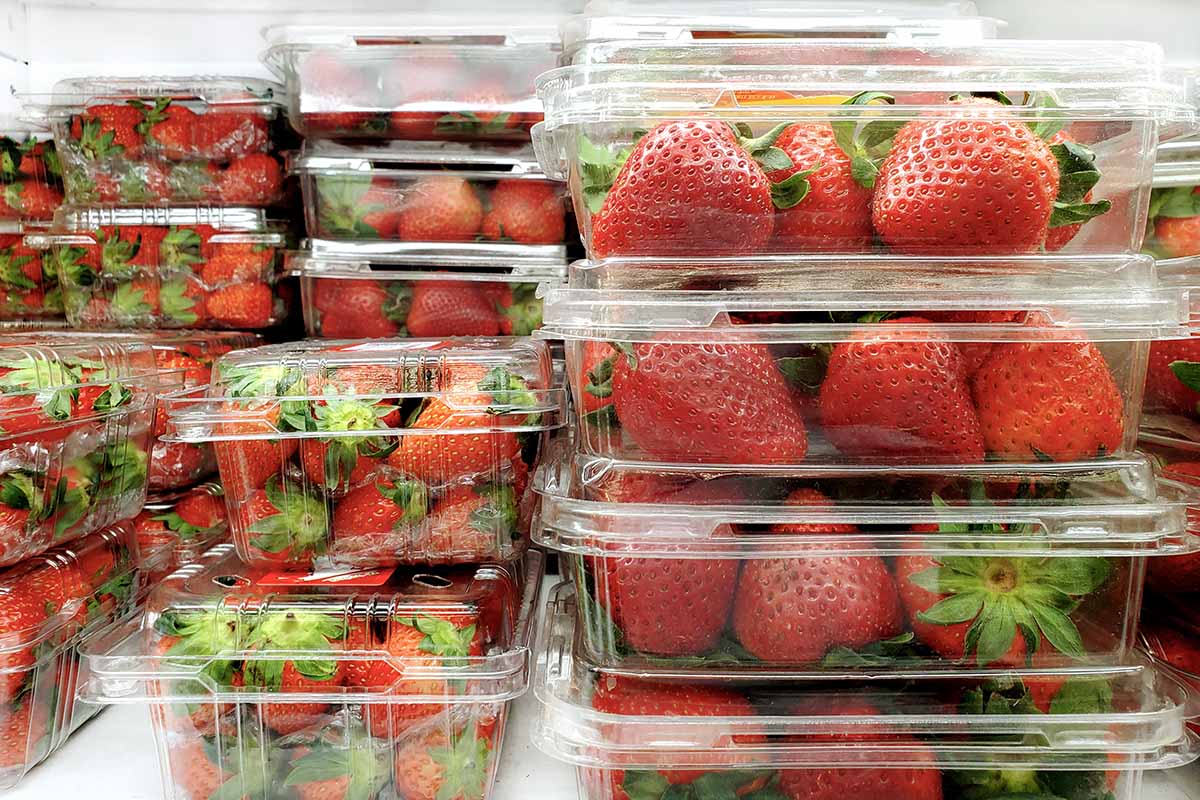
Flexible packaging is more durable, light and protective than many alternative packaging options, which are the hallmarks of sustainability. Typically composed of two or more materials, including plastic, joined together to protect and preserve contents, flexible packaging is more resource-efficient than many other packaging options because production requires less water and energy, so production and transportation result in fewer greenhouse gas (GHG) emissions. Surprising as it may sound, it is more effective than most other packaging options in protecting products from contamination, spoilage and damage – resulting in less waste in the first place.
While other packaging types may be more readily accepted at recycling centers, they offer fewer protections for consumer products, especially food, while ultimately being more expensive and less sustainable to produce. Flexible packaging helps to extend the shelf life of food products – the number one contributor to landfills and GHG emissions – through protection from sunlight, bacteria, odors, moisture, damage from the transportation process and more. This is especially important considering that if food waste was a country, it would be the third-largest contributor to greenhouse gas emissions after the U.S. and China. In fact, 52% of all flexible packaging is used for food.
Additionally, flexible packaging optimizes volume and weight to maximize storage and transportation efficiency while reducing the amount of packaging waste in need of end-of-life management. Increasing efficiency and reducing packaging waste results in source reduction – the most effective, environmentally preferred method of addressing excess waste.
Still, there remains a problem – what do we do with flexible packaging waste? The current recycling infrastructure, which varies greatly from one municipality to another – even within the same state – is often inconsistent, inefficient and not accessible for all residents. Additionally, curbside programs face significant challenges, including shifting commodity economics, stresses on taxpayer-funded collection services and concerns about material quality and end markets.
EPR and standardization are key
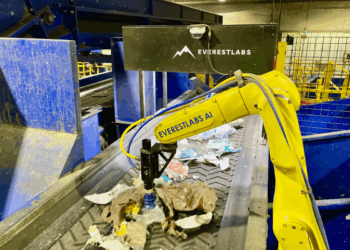
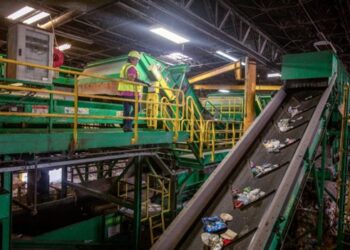
But there is a solution, and it already exists with an Extended Producer Responsibility (EPR) approach, a policy in which commercial producers shoulder some of the financial and operational responsibility to process and recycle consumer packaging. Advanced recycling technologies, which are currently used for industrial recycling and waste management, can be implemented for consumers through current and new material recovery facilities (MRF) to process an expanded list of recyclables, including multi-material flexible packaging. Realizing infrastructure investment and recycling modernization – with a shared responsibility with taxpayers, municipal governments, producers and consumers – is shown to increase recycling rates and cost efficiency while reducing environmental impact.
EPR includes fee collection, remittances, reports on packaging use, consumer education and market development – among other responsibilities – and has several benefits for all involved. A fully developed system would include curbside collection options for flexible plastics, removing the need for consumers to bring piles of plastic bags and films to store drop-off locations. Educational programs would also increase consumer awareness of the opportunities for recycling and convenient collection. While costs of this system would be incorporated into the prices of consumer goods, this much-needed investment would benefit both the public and businesses through resource efficiency and improved system management.
State governments will need to share responsibility in the new system and do their part from a regulatory standpoint to make it a reality. First and foremost, recycling systems need to be standardized at the state level. Our current system features thousands of municipal recycling systems, often with conflicting labeling requirements, strained finances and outdated machinery. An estimated $9.8 billion would be needed to provide the investment in the U.S. While this may sound like a huge number, it represents less than one percent of California’s annual state budget when spread out over five to ten years.
Once fully operational, a well-run EPR system would provide expanded curbside recycling options for families looking to act more sustainably and more material for manufacturers to make packaging from post-consumer recycled content. Producers and consumers would also benefit from standardized labeling requirements, increased material recovery and streamlined waste management systems. Finally, everyone would benefit from fewer carbon emissions and the use of natural resources as we work together to reduce packaging and plastic pollution and preserve our planet for future generations.
Alison Keane is the president and CEO of the Flexible Packaging Association, the leading advocate for the U.S. flexible packaging industry. FPA is composed of manufacturers of flexible packaging and material/equipment suppliers.
The views and opinions expressed are those of the author and do not imply endorsement by Resource Recycling, Inc. If you have a subject you wish to cover in an op-ed, please send a short proposal to news@resource-recycling.com for consideration.