





Resource Recycling
  • The Latest
  • Analysis
    • All
    • Certification Scorecard
    • Industry Announcements
    • Opinion
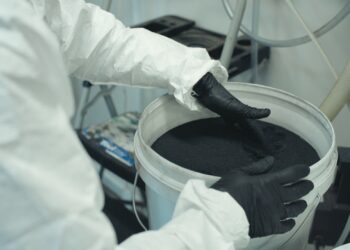
    The electronics recycling industry is undergoing a transformation from labor-intensive manual operations to highly automated, AI-driven facilities that use advanced robotics, cleaner chemistry and digital tracking systems to extract critical materials.

    The cyber-physical MRF: AI and robotics reshape e-waste recovery

    Certification scorecard for the week of Feb. 9, 2026

    Meta-Corning deal signals IT hardware retirement wave

    Meta-Corning deal signals IT hardware retirement wave

    Malaysia clamps down on illegal e-waste imports amid probes

    Malaysia clamps down on illegal e-waste imports amid probes

    URT builds alliance to remake electronics plastics at scale

    ICYMI: Top 5 e-scrap stories from January 2026

    The electronics recycling industry is undergoing a transformation from labor-intensive manual operations to highly automated, AI-driven facilities that use advanced robotics, cleaner chemistry and digital tracking systems to extract critical materials.

    Certification scorecard for the week of Feb. 2, 2026

    Auditors warn EU may fall short on critical metals

    Auditors warn EU may fall short on critical metals

    Industry announcements for January 2026

    Industry announcements for February 2026

    ICYMI: Top 5 recycling stories from January 2026

  • Conferences
  • Publications

    Other Topics

    Textiles
    Organics
    Packaging
    Glass
    Brand Owners

    Metals
    Technology
    Research
    Markets
    Grant Watch

    All Topics

Subscribe
No Result
View All Result
Resource Recycling
  • The Latest
  • Analysis
    • All
    • Certification Scorecard
    • Industry Announcements
    • Opinion
    The electronics recycling industry is undergoing a transformation from labor-intensive manual operations to highly automated, AI-driven facilities that use advanced robotics, cleaner chemistry and digital tracking systems to extract critical materials.

    The cyber-physical MRF: AI and robotics reshape e-waste recovery

    Certification scorecard for the week of Feb. 9, 2026

    Meta-Corning deal signals IT hardware retirement wave

    Meta-Corning deal signals IT hardware retirement wave

    Malaysia clamps down on illegal e-waste imports amid probes

    Malaysia clamps down on illegal e-waste imports amid probes

    URT builds alliance to remake electronics plastics at scale

    ICYMI: Top 5 e-scrap stories from January 2026

    The electronics recycling industry is undergoing a transformation from labor-intensive manual operations to highly automated, AI-driven facilities that use advanced robotics, cleaner chemistry and digital tracking systems to extract critical materials.

    Certification scorecard for the week of Feb. 2, 2026

    Auditors warn EU may fall short on critical metals

    Auditors warn EU may fall short on critical metals

    Industry announcements for January 2026

    Industry announcements for February 2026

    ICYMI: Top 5 recycling stories from January 2026

  • Conferences
  • Publications

    Other Topics

    Textiles
    Organics
    Packaging
    Glass
    Brand Owners

    Metals
    Technology
    Research
    Markets
    Grant Watch

    All Topics

Subscribe
No Result
View All Result
Resource Recycling
No Result
View All Result
Home Plastics

Expansive plastic waste bill fails again

Colin StaubbyColin Staub
September 2, 2020
in Plastics
Senate Bill 54 would have tasked state regulators with developing and adopting rules requiring all single-use packaging and “priority single-use products” sold in California to be recyclable or compostable by 2032. | SerPhoto/Shutterstock

For the second straight year, a California proposal that had broad recyclability goals did not make it through the legislature.

Senate Bill 54, the California Circular Economy and Plastic Pollution Reduction Act, did not receive enough votes to pass in a floor vote of the state Assembly earlier this week.

First introduced in 2019, the latest iterations of SB 54 and its companion, Assembly Bill 1080, would task state regulators with developing and adopting rules requiring all single-use packaging and “priority single-use products” sold in California to be recyclable or compostable by 2032. It also puts source-reduction requirements on producers.

How the California Department of Resources Recycling and Recovery (CalRecycle) accomplishes those regulations is left largely up to the agency. The department would have the authority to implement extended producer responsibility (EPR) programs and use other regulatory measures such as deposit systems, design requirements and more.

After failing to receive a vote before the legislative session ended in September 2019, SB 54 was revived in the Assembly last week. The revival drew widespread interest among recycling stakeholders and environmental advocates – actor Jeff Bridges also weighed in, calling for Assembly passage of the bill.

But in the Aug. 31 vote, the bill did not receive enough votes to clear the Assembly. It required 41 votes in favor but only received 37, with two dozen lawmakers declining to cast a vote on the proposal. The vote came in the final hours of the state’s 2020 legislative session.

Responses across the board

State Sen. Ben Allen, the bill’s sponsor, expressed dismay and apologized to supporters.

“Now let’s harness the energy of the people to pass the plastics initiative, coming to a ballot near you in 2022,” he wrote, referencing a statewide initiative that would charge producers a fee based on the amount of plastic packaging they sell into California, among other significant policy changes.

In a statement to Plastics Recycling Update, Californians Against Waste acknowledged it is “frustrating to fall a few votes short of passage on the final night of session.” But the organization said lawmakers’ approval of a beverage container recycled content mandate makes it “clear that the California legislature is committed to reducing plastic pollution and requiring closed loop recycling.”

“Going forward, California policy makers will have the next 18 months to either reach agreement on a path to 75 percent source reduction and recycling for plastic packaging, or we can leave it to the voters to decide,” stated Mark Murray, director of the environmental group.

The Consumer Brands Association, which opposed the bill last year, said the latest failure to advance the bill shows that Californians “don’t want a Band-Aid approach to fixing the state’s recycling system, but rather real, lasting change.” The group said it is working with stakeholders in California and nationwide to “bring practical, scalable solutions to our recycling crisis” through engagement with multiple industry initiatives.

The Plastics Industry Association said the bill’s failure provides a “chance to hit the reset button and work with all interested stakeholders to craft legislation that will really address the issue of sustainability.”

The Ocean Conservancy, an environmental advocacy group, expressed disappointment in the bill’s failure. Had it passed, the bill would have “set the stage for a vital paradigm shift in how we produce, consume and dispose of trillions of plastic items every single day,” the group said in a statement.

“This is a setback for every Californian who cares about the state’s beautiful waterways and coastline, and for our ocean, which is already choking with plastics to the tune of 11 million metric tons a year,” the group wrote.

 

Tags: CaliforniaEPRLegislation
TweetShare
Colin Staub

Colin Staub

Colin Staub was a reporter and associate editor at Resource Recycling until August 2025.

Related Posts

Wisconsin proposes E-Cycle target revisions

Wisconsin proposes E-Cycle target revisions

byScott Snowden
February 17, 2026

Wisconsin regulators have released a draft rule that would revise how manufacturer recycling targets are calculated, establish clearer standards for...

Textile clothing bins

Report details how to make CA textile recycling work

byPaul Lane
February 16, 2026

A new report confirms the sentiment that led to a new textile recovery law in California, detailing just how much...

Bipartisan reps introduce bill on recycling claims

Bipartisan reps introduce bill on recycling claims

byAntoinette Smith
February 12, 2026

Legislators introduced the Recycled Materials Attribution Act in the US House, drawing support from a new industry group and scrutiny...

Oregon’s Recycling Modernization Act faces injunction

Court partially blocks Oregon EPR law, dismisses bulk of lawsuit

byStefanie Valentic
February 10, 2026

An Oregon federal court issued a limited injunction halting the state's EPR law for members of NAW, but rejected the...

Member states select new chair for global plastics treaty

Member states select new chair for global plastics treaty

byAntoinette Smith
February 10, 2026

During a short session, the Intergovernmental Negotiating Committee elected Chilean diplomat Julio Cordano to continue efforts toward an internationally binding...

Dual WM MRF launch strengthens Ontario recycling infrastructure

Dual WM MRF launch strengthens Ontario recycling infrastructure

byStefanie Valentic
February 9, 2026

WM has opened two new facilities in Ontario capable of processing 30% of the province's total volumes under new EPR...

Load More
Next Post

California mandates recycled material in beverage bottles

More Posts

Chinese processing group details goals for US visit

AMP lays out vision of next-generation, AI-driven MRFs

July 24, 2024
Oregon’s Recycling Modernization Act faces injunction

Court partially blocks Oregon EPR law, dismisses bulk of lawsuit

February 10, 2026
Malaysia clamps down on illegal e-waste imports amid probes

Malaysia clamps down on illegal e-waste imports amid probes

February 6, 2026
Bipartisan reps introduce bill on recycling claims

Bipartisan reps introduce bill on recycling claims

February 12, 2026

APR, industry create proactive guidance for PET caps

February 12, 2026

REUSE Act heads to US House for consideration

February 9, 2026
NERC: Blended average prices fell 40% in third quarter

HDPE, PP bales rise as paper fiber and cans stabilize

February 12, 2026
Texas sues over dumped wind turbine blades

Texas sues over dumped wind turbine blades

February 10, 2026

Alpek talks PET overcapacity, soft demand

February 11, 2026
The electronics recycling industry is undergoing a transformation from labor-intensive manual operations to highly automated, AI-driven facilities that use advanced robotics, cleaner chemistry and digital tracking systems to extract critical materials.

The cyber-physical MRF: AI and robotics reshape e-waste recovery

February 12, 2026
Load More

About & Publications

About Us

Staff

Archive

Magazine

Work With Us

Advertise
Jobs
Contact
Terms and Privacy

Newsletter

Get the latest recycling news and analysis delivered to your inbox every week. Stay ahead on industry trends, policy updates, and insights from programs, processors, and innovators.

Subscribe

Welcome Back!

Login to your account below

Forgotten Password?

Retrieve your password

Please enter your username or email address to reset your password.

Log In

Add New Playlist

No Result
View All Result
  • The Latest
  • Analysis
  • Recycling
  • E-Scrap
  • Plastics
  • Policy Now
  • Conferences
    • E-Scrap Conference
    • Plastics Recycling Conference
    • Resource Recycling Conference
    • Textiles Recovery Summit
  • Magazine
  • About Us
  • Advertise
  • Archive
  • Jobs
  • Staff
Subscribe
This website uses cookies. By continuing to use this website you are giving consent to cookies being used. Visit our Privacy and Cookie Policy.