






Resource Recycling
  • The Latest
  • Analysis
    • All
    • Certification Scorecard
    • Industry Announcements
    • Opinion
    The electronics recycling industry is undergoing a transformation from labor-intensive manual operations to highly automated, AI-driven facilities that use advanced robotics, cleaner chemistry and digital tracking systems to extract critical materials.

    The cyber-physical MRF: AI and robotics reshape e-waste recovery

    Certification scorecard for the week of Feb. 9, 2026

    Meta-Corning deal signals IT hardware retirement wave

    Meta-Corning deal signals IT hardware retirement wave

    Malaysia clamps down on illegal e-waste imports amid probes

    Malaysia clamps down on illegal e-waste imports amid probes

    URT builds alliance to remake electronics plastics at scale

    ICYMI: Top 5 e-scrap stories from January 2026

    The electronics recycling industry is undergoing a transformation from labor-intensive manual operations to highly automated, AI-driven facilities that use advanced robotics, cleaner chemistry and digital tracking systems to extract critical materials.

    Certification scorecard for the week of Feb. 2, 2026

    Auditors warn EU may fall short on critical metals

    Auditors warn EU may fall short on critical metals

    Industry announcements for January 2026

    Industry announcements for February 2026

    ICYMI: Top 5 recycling stories from January 2026

  • Conferences
  • Publications

    Other Topics

    Textiles
    Organics
    Packaging
    Glass
    Brand Owners

    Metals
    Technology
    Research
    Markets
    Grant Watch

    All Topics

Subscribe
No Result
View All Result
Resource Recycling
  • The Latest
  • Analysis
    • All
    • Certification Scorecard
    • Industry Announcements
    • Opinion
    The electronics recycling industry is undergoing a transformation from labor-intensive manual operations to highly automated, AI-driven facilities that use advanced robotics, cleaner chemistry and digital tracking systems to extract critical materials.

    The cyber-physical MRF: AI and robotics reshape e-waste recovery

    Certification scorecard for the week of Feb. 9, 2026

    Meta-Corning deal signals IT hardware retirement wave

    Meta-Corning deal signals IT hardware retirement wave

    Malaysia clamps down on illegal e-waste imports amid probes

    Malaysia clamps down on illegal e-waste imports amid probes

    URT builds alliance to remake electronics plastics at scale

    ICYMI: Top 5 e-scrap stories from January 2026

    The electronics recycling industry is undergoing a transformation from labor-intensive manual operations to highly automated, AI-driven facilities that use advanced robotics, cleaner chemistry and digital tracking systems to extract critical materials.

    Certification scorecard for the week of Feb. 2, 2026

    Auditors warn EU may fall short on critical metals

    Auditors warn EU may fall short on critical metals

    Industry announcements for January 2026

    Industry announcements for February 2026

    ICYMI: Top 5 recycling stories from January 2026

  • Conferences
  • Publications

    Other Topics

    Textiles
    Organics
    Packaging
    Glass
    Brand Owners

    Metals
    Technology
    Research
    Markets
    Grant Watch

    All Topics

Subscribe
No Result
View All Result
Resource Recycling
No Result
View All Result
Home Plastics

How one new system is handling a challenging stream

byJared Paben
February 3, 2020
in Plastics
How one new system is handling a challenging stream
Courtesy of Ad Rem.

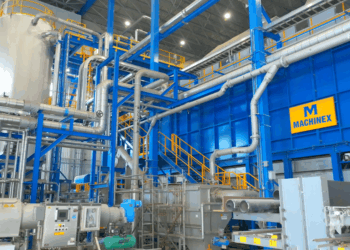
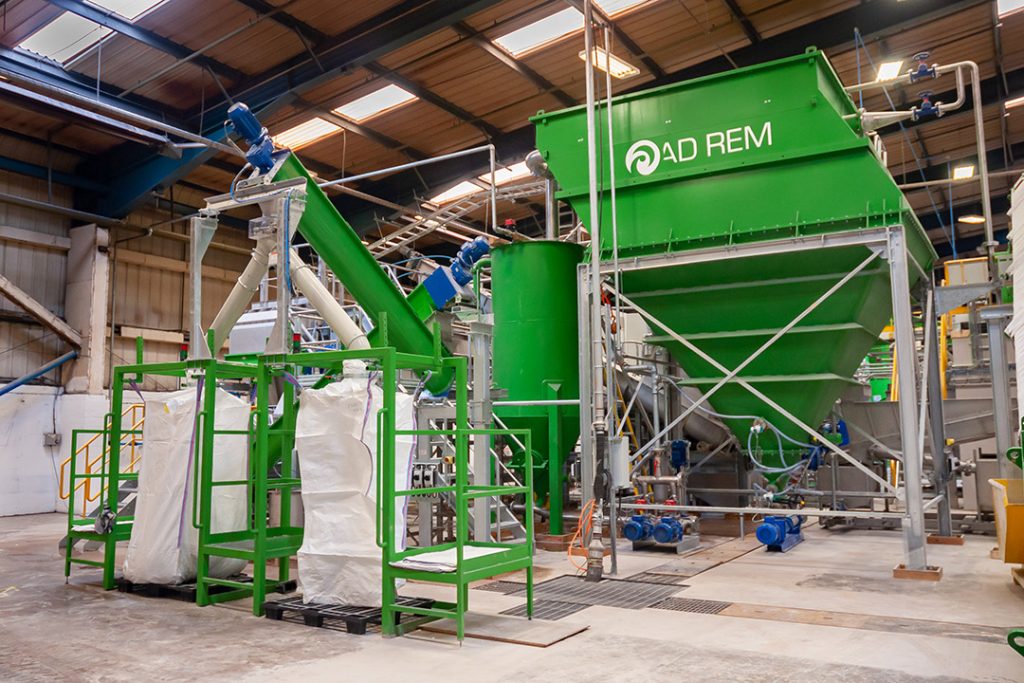
A processing line now operational in the U.K. recycles plastics from refrigerators by modifying the density of water and leveraging electrostatic separation.

The sorting line was provided by equipment companies Advanced Design of Recycling Machines (AD REM) of Belgium and Hamos of Germany. It was recently installed at a Telford, England plastics recovery facility run by AO Recycling, part of British appliance and electronics retailer AO Retail.

Described by AD REM as “the first plant of its kind,” the sorting line uses unique technologies to separate valuable polymers from old refrigerators. A facility coming on-line in Japan will also use the companies’ equipment to sort plastics from automobiles, waste electrical and electronic equipment (WEEE), pallets, containers and other packaging.

At AO Recycling in England, the line consists of float-sink tanks provided by AD REM and an electrostatic separation system provided by Hamos. Now fully operational, the line is sorting 4 tons of plastic per hour.

Jelle Saint-Germain, sales engineer at AD REM, provided more details to Plastics Recycling Update on how the line works and its advantages over alternative strategies.

Benefits of boosting water’s weight

Before scrap plastic is sorted on the AD REM/Hamos line, the material is shredded and pre-treated. In the case of AO Recycling, that happens on an Andritz MEWA line at another site in Telford, Saint-Germain wrote in an email.

“Any type of rigid plastic mix can be treated on this system, as long as it receives the correct pre-treatment,” he wrote. “Small material (less than 5 millimeters) and dust should be out, and large solid metals must be removed.”

The first float-sink tank is filled with a solution made with AD REM’s proprietary pH-neutral agent, which increases the density of the water to a point where the following recyclable polymers float and can be further sorted: PE, PP, PS and ABS.

The sinking fraction, targeted for disposal, includes a mix of plastics, including PVC, PC, PMMA and flame-retardant plastics.

Salt is commonly used to boost the weight of water for plastics separation, but Saint-Germain said his company’s agent brings a number of advantages over salt. First, it doesn’t dissolve and remains suspended in the solution, allowing for its easy recovery and reuse. The only way to recover the salt is by evaporation, he noted.

Additionally, salt also interferes with the charging mechanism during electrostatic separation, unless a special salt, potassium carbonate, is used at a cost of about $880 per ton, Saint-Germain said. AD REM’s material costs about $88 per ton.

“It is a cheap substance that does not interfere with the electrostatic separation downstream, which is why this technology is so suitable to combine with the Hamos technology,” according to an AD REM press release.
Courtesy of Ad Rem.

Further separation strategies

The floating PE, PP, PS and ABS go into a second float-sink tank with unmodified water. There, the polyolefins float and the PS/ABS sinks. The PS/ABS fraction then heads to the Hamos electrostatic equipment, which charges the plastic and separates the PS from ABS.

Plastics Recycling Update examined the Hamos separation system in 2017. The system applies a charge to shredded plastic with a tribo-electric charging unit. Different materials take on either positive or negative charges. Then, the material comes off a conveyor belt and enters a high-tension field, where an electrode separates plastics into different bins, depending on whether they have a positive or negative charge.

The method can separate black plastics, which go unrecognized by many optical sorters.

Saint-Germain sees strong demand for recycled WEEE plastics in the future, driven by OEM pledges to increase use of recycled plastic. Government policy also affects the profitability of the sorting system.

“In Europe and Japan, government regulation and increasing landfill costs have created an environment in which plastics recycling has become more profitable than the alternatives of landfilling, incinerating or exporting them,” he noted. “In the U.S., the profitability of the system will depend on local circumstances. This is to be assessed on a case to case basis.”

To receive the latest news and analysis about plastics recycling technologies, sign up now for our free monthly Plastics Recycling Update: Technology Edition e-newsletter.

2020 Plastics Recycling Conference and Trade Show

Tags: Technology
TweetShare
Jared Paben

Jared Paben

Related Posts

The electronics recycling industry is undergoing a transformation from labor-intensive manual operations to highly automated, AI-driven facilities that use advanced robotics, cleaner chemistry and digital tracking systems to extract critical materials.

The cyber-physical MRF: AI and robotics reshape e-waste recovery

byDavid Daoud
February 12, 2026

The electronics recycling industry is entering a new phase of technological acceleration. Advances in artificial intelligence, robotics, advanced chemistry, and...

Cirba Solutions: Battery fires stoking EPR bill movement

byStefanie Valentic
February 2, 2026

As batteries appear in everything from light-up shoes to electric vehicles, new EPR laws are reshaping recycling requirements.

TÜV rolls out traceability audits for recycled inputs

TÜV rolls out traceability audits for recycled inputs

byScott Snowden
January 14, 2026

Based in Germany, TÜV Rheinland launched a closed-loop recycled material verification program for electronics supply chains, auditing traceability and quality...

Robot pilot targets legacy parts to help supply defense

Robot pilot targets legacy parts to help supply defense

byScott Snowden
December 29, 2025

Although chip availability has improved since the worst shortages earlier in the decade, Tuurny says demand for legacy electronics remains...

Glacier AI at Penn Waste aims to improve PET, fiber output

Glacier AI at Penn Waste aims to improve PET, fiber output

byScott Snowden
October 8, 2025

Glacier, the Amazon-backed AI and robotics company, has installed its sorting technology at Penn Waste’s MRF in York County, Pennsylvania,...

APR launches recyclability assessment platform

APR launches recyclability assessment platform

byScott Snowden
October 1, 2025

The Association of Plastic Recyclers will launch a new digital platform to help brands and packaging suppliers evaluate the recyclability...

Load More
Next Post

Agreement will avert Quebec MRF closures

More Posts

Oregon’s Recycling Modernization Act faces injunction

Court partially blocks Oregon EPR law, dismisses bulk of lawsuit

February 10, 2026
Chinese processing group details goals for US visit

AMP lays out vision of next-generation, AI-driven MRFs

July 24, 2024
Malaysia clamps down on illegal e-waste imports amid probes

Malaysia clamps down on illegal e-waste imports amid probes

February 6, 2026

REUSE Act heads to US House for consideration

February 9, 2026
Meta-Corning deal signals IT hardware retirement wave

Meta-Corning deal signals IT hardware retirement wave

February 9, 2026

ecoATM recycled 7.5M phones in 2025 as payouts hit $1.5B

February 10, 2026
Texas sues over dumped wind turbine blades

Texas sues over dumped wind turbine blades

February 10, 2026

APR, industry create proactive guidance for PET caps

February 12, 2026

Alpek talks PET overcapacity, soft demand

February 11, 2026
The electronics recycling industry is undergoing a transformation from labor-intensive manual operations to highly automated, AI-driven facilities that use advanced robotics, cleaner chemistry and digital tracking systems to extract critical materials.

The cyber-physical MRF: AI and robotics reshape e-waste recovery

February 12, 2026
Load More

About & Publications

About Us

Staff

Archive

Magazine

Work With Us

Advertise
Jobs
Contact
Terms and Privacy

Newsletter

Get the latest recycling news and analysis delivered to your inbox every week. Stay ahead on industry trends, policy updates, and insights from programs, processors, and innovators.

Subscribe

Welcome Back!

Login to your account below

Forgotten Password?

Retrieve your password

Please enter your username or email address to reset your password.

Log In

Add New Playlist

No Result
View All Result
  • The Latest
  • Analysis
  • Recycling
  • E-Scrap
  • Plastics
  • Policy Now
  • Conferences
    • E-Scrap Conference
    • Plastics Recycling Conference
    • Resource Recycling Conference
    • Textiles Recovery Summit
  • Magazine
  • About Us
  • Advertise
  • Archive
  • Jobs
  • Staff
Subscribe
This website uses cookies. By continuing to use this website you are giving consent to cookies being used. Visit our Privacy and Cookie Policy.