











Resource Recycling
  • The Latest
  • Analysis
    • All
    • Certification Scorecard
    • Industry Announcements
    • Opinion
    Wolframite ore, the primary ore of tungsten from Altai, Russia

    Tungsten scrap export controls draw industry attention

    Certification Scorecard — Week of April 6, 2026

    Closed Loop Partners acquires Sutter Metals, connecting electronics disposition to metals recovery

    Certification Scorecard — Week of March 30, 2026

    Industry announcements for January 2026

    Industry announcements for April 2026

    Certification scorecard – Week of March 23, 2026

    Certification Scorecard – Week of March 16, 2026

    Groups identify recovered plastics users in the Northeast

    Bale pricing for recycled plastics diverges

    Why global ITAD is stranded in the Gulf

    Why global ITAD is stranded in the Gulf

  • Conferences
  • Publications

    Other Topics

    Textiles
    Organics
    Packaging
    Glass
    Brand Owners

    Metals
    Technology
    Research
    Markets
    Grant Watch

    All Topics

Subscribe
No Result
View All Result
Resource Recycling
  • The Latest
  • Analysis
    • All
    • Certification Scorecard
    • Industry Announcements
    • Opinion
    Wolframite ore, the primary ore of tungsten from Altai, Russia

    Tungsten scrap export controls draw industry attention

    Certification Scorecard — Week of April 6, 2026

    Closed Loop Partners acquires Sutter Metals, connecting electronics disposition to metals recovery

    Certification Scorecard — Week of March 30, 2026

    Industry announcements for January 2026

    Industry announcements for April 2026

    Certification scorecard – Week of March 23, 2026

    Certification Scorecard – Week of March 16, 2026

    Groups identify recovered plastics users in the Northeast

    Bale pricing for recycled plastics diverges

    Why global ITAD is stranded in the Gulf

    Why global ITAD is stranded in the Gulf

  • Conferences
  • Publications

    Other Topics

    Textiles
    Organics
    Packaging
    Glass
    Brand Owners

    Metals
    Technology
    Research
    Markets
    Grant Watch

    All Topics

Subscribe
No Result
View All Result
Resource Recycling
No Result
View All Result
Home Plastics

Groups warn that ‘recycling is not enough’

Colin StaubbyColin Staub
April 24, 2019
in Plastics

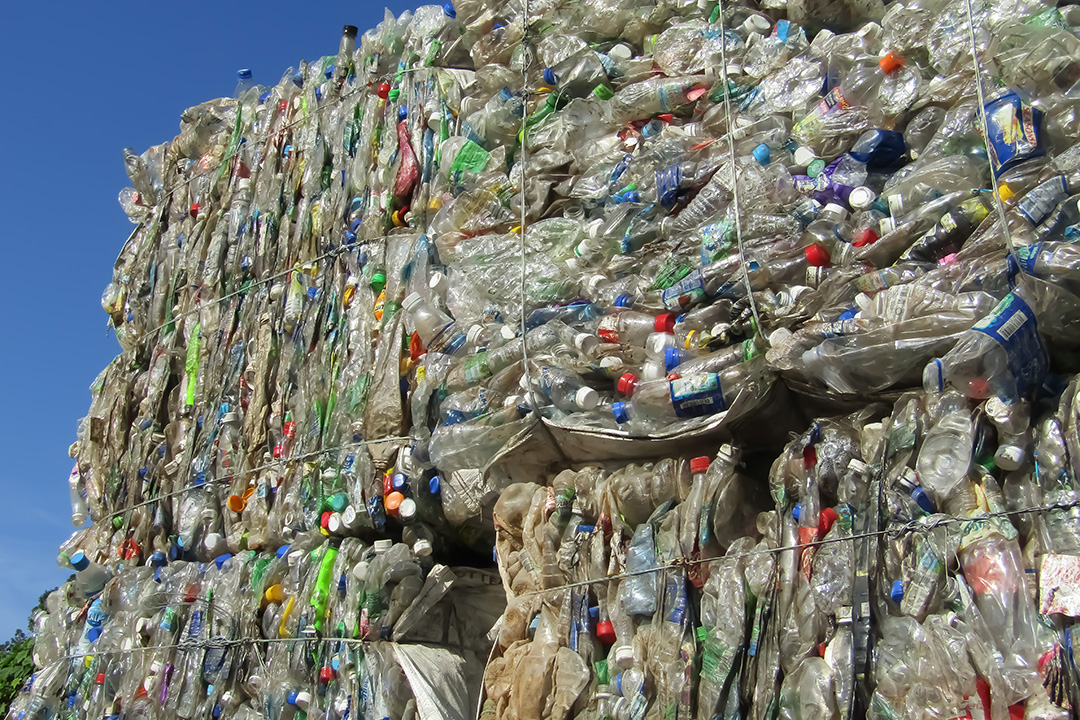
As international leaders consider action in response to plastic pollution, environmental activists are arguing that turmoil around scrap exports is exacerbating the problem.

Greenpeace and the Global Alliance for Incinerator Alternatives (GAIA) on April 23 released a report detailing environmental harm from shifts in the global recycling industry over the past two years.

The effort comes shortly before leaders of the Basel Convention, an international treaty that regulates the global flow of waste materials, begin a two-week-long gathering. Among the topics discussed at the Basel meeting will be a Norwegian proposal to increase restrictions on scrap plastic exports.

GAIA and Greenpeace make a case that “recycling is not enough,” and the organizations express support for the Norwegian proposal. For countries that are party to the Basel Convention, the proposal would require shipments of scrap plastic to have prior notification and consent from regulators in both the exporting and importing countries. “We believe the proposed changes will lead to less marine plastic litter, increased traceability, more control and less illegal dumping of plastic waste,” the Norwegian Ministry of Climate and Environment has noted.

The U.S., however, has not ratified the Basel Convention, and some experts have stated the new proposal could shut off all exports from the U.S. to countries that are party to the Convention.

The report from GAIA and Greenpeace also calls for more scrap plastic import restrictions by individual countries, in line with the initiatives adopted by several Southeast Asian nations over the past year. Additionally, the groups promote packaging redesign, source reduction and extended producer responsibility, and they call for end-of-life material to be processed in the country where it was generated.

‘A predatory system’

Greenpeace analyzed data from the top 21 importers and exporters of scrap plastic and charted how trading trends have shifted. The research indicated a trend, also charted by Resource Recycling, since China enacted stringent import restrictions: When one country enacts restrictions, exports spike to another country, leading that country to clamp down.

Many of the Southeast Asian countries that have seen plastic imports increase dramatically are the same countries that have been identified as top contributors to the ocean plastics problem, due to the fact they have major population centers along coastlines and lack sufficient waste management infrastructure.

“Once one country regulates plastic waste imports, it floods into the next un-regulated destination,” said Kate Lin, a senior campaigner with Greenpeace East Asia, in a press release. “When that country regulates, the exports move to the next one. It’s a predatory system, but it’s also increasingly inefficient. Each new iteration shows more and more plastic going off grid – where we can’t see what’s done with it – and that’s unacceptable.”

The report includes numerous accounts from individuals living in Malaysia, Thailand and Indonesia, describing environmental damage associated with the increase in plastic imports. The accounts also chart the actions of illegal plastics recycling companies and describe the difficulty governments face in shutting down these operations.

“The Malaysian government, after taking a stance of restricting plastic waste imports, is shouldering the burden of enforcement,” the organizations wrote. “They receive no tax revenue from the illegal plastic recycling operators but are the ones left with the cost of the clean-up, enforcement and monitoring instead of the industries and countries most responsible for the problem in the first place.”

Photo credit: MuhammadAzman/Shutterstock

 

Save the Date for the 2020 Plastics Recycling Conference.

Tags: Trade & Tariffs
TweetShare
Colin Staub

Colin Staub

Colin Staub was a reporter and associate editor at Resource Recycling until August 2025.

Related Posts

Why global ITAD is stranded in the Gulf

Why global ITAD is stranded in the Gulf

byDavid Daoud
March 16, 2026

As the war in Iran scrambles Middle East trade routes, Dubai’s carefully built role as a command center for global...

War-driven fuel costs compound recycling woes

War-driven fuel costs compound recycling woes

byAntoinette Smith
March 16, 2026

US and Israeli strikes in Iran and the subsequent blockade of the Strait of Hormuz have pushed diesel fuel prices...

How rising fuel and memory prices are impacting ITAD’s margins

How rising fuel and memory prices are impacting ITAD’s margins

byDavid Daoud
March 10, 2026

Current war in Iran is resulting in a noticeable change in cost pressures and risk considerations in electronics and IT...

Diversion Dynamics: Secondhand exports slow down fast fashion

byStefanie Valentic
March 5, 2026

Conference season has a cadence that industry professionals know well. The packed schedules, the badge swaps, the hallway conversations that...

Borealis, Borouge aim to bolster PE, PP recycling in Indonesia

byPaul Lane
February 27, 2026

Plastics recycling in the Southeast Asian nation focuses on PET and on industrial and commercial waste, while post‑consumer polyolefin packaging...

UN trade data, tools aim to shape plastics treaty talks

UN trade data, tools aim to shape plastics treaty talks

byAntoinette Smith
February 17, 2026

UN agencies aim to use the harmonized trade data and a statistical framework to improve outcomes for the global negotiations,...

Load More
Next Post

Plastic exports continue to drop

More Posts

Wineries help create model for film recycling

Wineries help create model for film recycling

April 7, 2026
With RPET in crisis, focus turns to solutions

With RPET in crisis, focus turns to solutions

April 2, 2026
PCA closing Richmond plant

PCA closing Richmond plant

April 2, 2026
End markets, policy key to RPET viability

End markets, policy key to RPET viability

April 8, 2026

Trafigura signs $1.1b deal for recycled battery metals

April 8, 2026
Oregon’s Recycling Modernization Act faces injunction

Why EPR’s biggest obstacle might not be legislation

April 6, 2026

Apparel retailer organization challenges SB 707 textile PRO selection

April 2, 2026
WM rolling out curbside acceptance of PP cups 

APR releases first semiannual Design Guide update

April 3, 2026

Independents complement primary PRO in state EPR

April 6, 2026
Solarcycle starts up Georgia recycling plant

S3399 signals a shift in how states are tackling solar panel waste

April 6, 2026
Load More

About & Publications

About Us

Staff

Archive

Magazine

Work With Us

Advertise
Jobs
Contact
Terms and Privacy

Newsletter

Get the latest recycling news and analysis delivered to your inbox every week. Stay ahead on industry trends, policy updates, and insights from programs, processors, and innovators.

Subscribe

Welcome Back!

Login to your account below

Forgotten Password?

Retrieve your password

Please enter your username or email address to reset your password.

Log In

Add New Playlist

No Result
View All Result
  • The Latest
  • Analysis
  • Recycling
  • E-Scrap
  • Plastics
  • Policy Now
  • Conferences
    • E-Scrap Conference
    • Plastics Recycling Conference
    • Resource Recycling Conference
    • Textiles Recovery Summit
  • Magazine
  • About Us
  • Advertise
  • Archive
  • Jobs
  • Staff
Subscribe
This website uses cookies. By continuing to use this website you are giving consent to cookies being used. Visit our Privacy and Cookie Policy.