











A new industry fire report estimates that blazes at recycling and scrap facilities across the US and Canada caused about $2.5 billion in damage in 2025, underscoring the continuing toll of lithium-ion batteries and other hazards moving through the material stream.
The report, authored by Fire Rover vice president Ryan Fogelman, says that estimate is based on 448 publicly reported fire incidents last year, including approximately 100 catastrophic events, with repair or replacement costs ranging from $500,000 to tens of millions of dollars.
The findings add to a longer-running pattern the report says has become more entrenched, not less, even as facility operators have updated emergency plans, invested in training and adopted more fire detection and suppression technology.
Although lithium-ion batteries remain central to the discussion, the report is careful not to treat them as the only cause of fires. It says North American recycling facilities face a broader mix of risks, including combustible dust, hot work, staffing gaps, pressurized containers, chemicals and other improperly discarded materials.
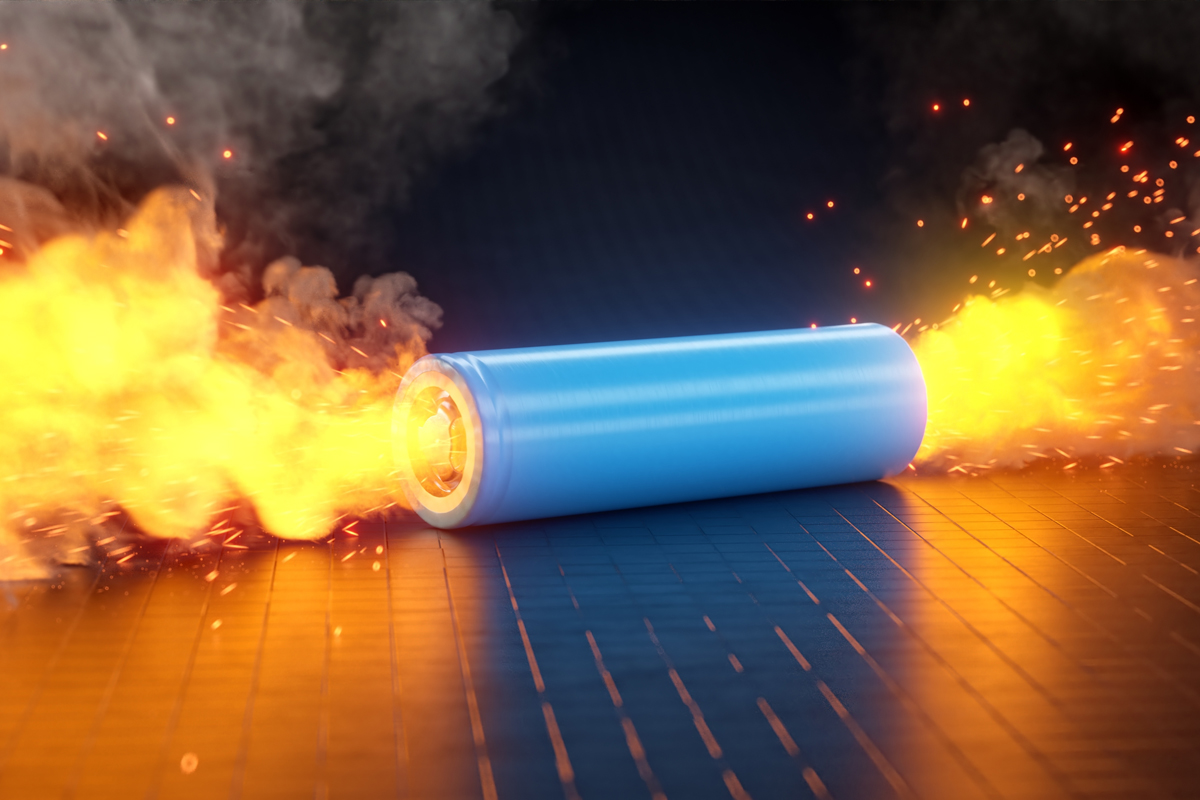
Still, batteries remain a major part of the problem. The report says batteries cause many waste and recycling facility fires, describing thermal runaway as a key mechanism behind those incidents. It also argues that the growing volume of battery-powered consumer products has changed the risk profile across multiple parts of the industry, from MRFs and transfer stations to scrap yards, C&D debris operations and electronics recycling facilities.
One of the report’s sharper trend lines centers on vaping devices. In a section titled “The Vape Effect,” it says the average number of publicly reported fires per year across the US and Canada increased by approximately 26% when comparing 2016-2021 with 2022-2025. The report links that increase in part to the rapid proliferation of electronic vaping devices, which contain lithium-ion batteries and are often improperly discarded.
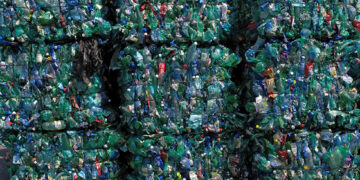
Fogelman’s material breakdown for 2025 shows waste, paper and plastic facilities accounting for about 49% of reported fires, while scrap metal operations made up about 31%. The report says those categories often act as channels for other improperly discarded hazards, including lithium-ion batteries, chemicals, gasoline and propane tanks.
The report also points to a growing insurance burden and says insurers respond to rising claims and severity trends by increasing costs or declining coverage, and it cites examples of steep premium increases as well as third-party research indicating tighter access to coverage for MRF operators dealing with lithium battery-related fire risk.
At the same time, it argues that operators are increasingly shifting toward layered risk reduction rather than assuming any single tool will solve the problem. That includes earlier identification of suspect batteries, employee training, safer storage and handling practices and emergency planning built around the behavior of lithium-ion fires.
The overall picture is not of a problem being solved, but of one becoming more deeply embedded in the stream. Even with better awareness and more formalized prevention practices, the report suggests recycling and scrap operators are still absorbing the consequences of products and hazards introduced well before materials reach the processing floor.