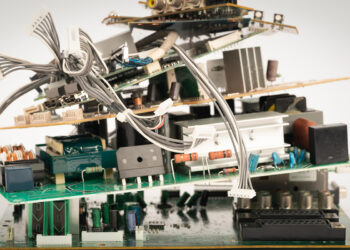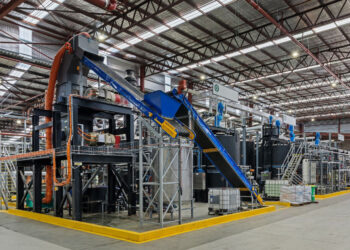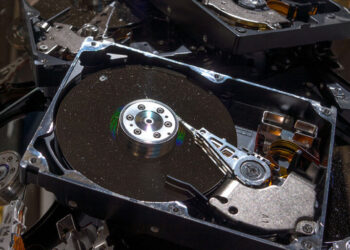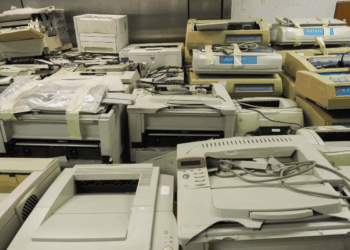












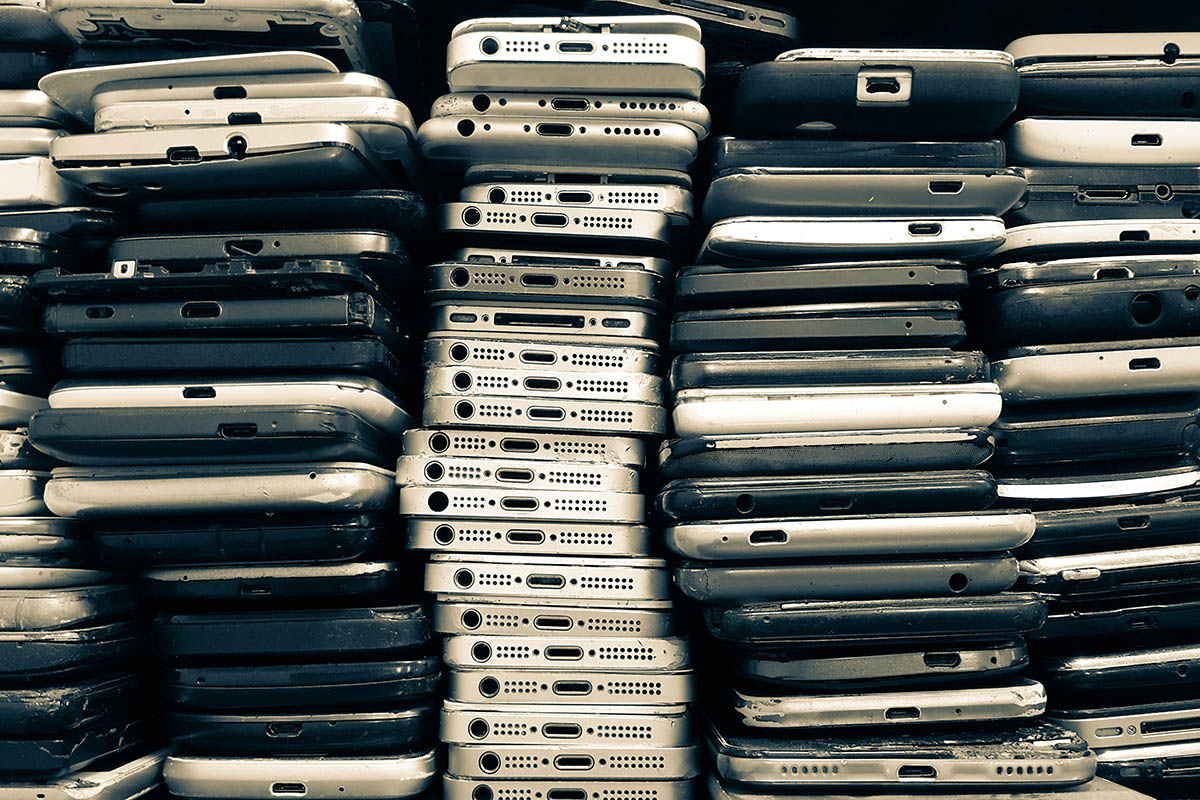
Unused phones, laptops and other electronics sitting in drawers, offices and storage rooms are drawing new attention as recyclers, refiners and manufacturers look for domestic sources of critical minerals.
Speakers at the ReMADE Institute’s annual conference in Washington said the materials are there, but collecting them and keeping them in US supply chains remains a stubborn challenge. The March 11-12 event at the National Academy of Sciences included a panel focused on recovering and recycling critical minerals from end-of-life products such as electronics.
Danielle Holly of the Ellen MacArthur Foundation pointed to the value locked inside what she called “hibernating devices,” meaning old electronics that consumers and institutions keep but do not use. She said an estimated $67 billion in value is contained in forgotten devices such as unused phones and laptops stored in drawers around the world.
The backdrop to the discussion is a broader federal push to strengthen domestic supply chains for materials used in electronics, batteries and magnets.
In August 2025, the US Department of Energy (DOE) announced its intent to issue funding opportunities totaling nearly $1 billion to advance mining, processing and manufacturing technologies across critical minerals and materials supply chains.
That effort was followed in December by a DOE funding opportunity for up to $134 million to support projects demonstrating the recovery and refining of rare earth elements from unconventional feedstocks, including e-scrap and other waste materials.
Chris Saldaña, deputy assistant secretary in the DOE’s Office of Critical Minerals, Materials and Manufacturing, said efforts to strengthen supply chains must address the entire value chain rather than focusing solely on recycling.
“If we pursue this without a systems approach, we won’t be able to solve the problem,” Saldaña said.
The biggest near-term obstacle is not whether valuable material exists, but whether enough of it can be captured consistently.
Chris York, vice president of business development at Mint Innovation, said recyclers know disused electronics are widely available but struggle to collect them in sufficient volumes to supply processing facilities. “We’re not collecting the material we need. It’s out there. We know it’s out there,” York said.
That challenge extends well beyond the unused phones and laptops stored in household drawers. Ben Kincaid of ReElement Technologies said older electronics and other scrap streams inside businesses and government buildings could become additional sources of feedstock as recyclers expand collection and processing systems. “The world has woken up to the dire need to decentralize our supply chains,” Kincaid said.
John Shegerian, CEO of electronics recycler ERI, said the industry must also make clearer to policymakers that viable recovery pathways already exist. “OEMs create these wonderful tools that make our personal lives and our business lives more connected, more interesting,” he said. “But at the end of the day, they’ve got to go somewhere and they’ve got to go somewhere responsible.”
The scale of the potential resource is reflected in global e-waste trends. The Global E-waste Monitor reported that the world generated 62 billion kilograms of e-waste in 2022, but only 22.3% was formally collected and recycled. The remainder represents a large volume of material that remains outside documented recovery systems even as manufacturers and governments search for more reliable sources of strategic metals.
Speakers at the conference pointed to stronger collection systems, expanded domestic processing capacity and closer coordination across the recycling, refining and manufacturing supply chain as necessary steps to close that gap.