





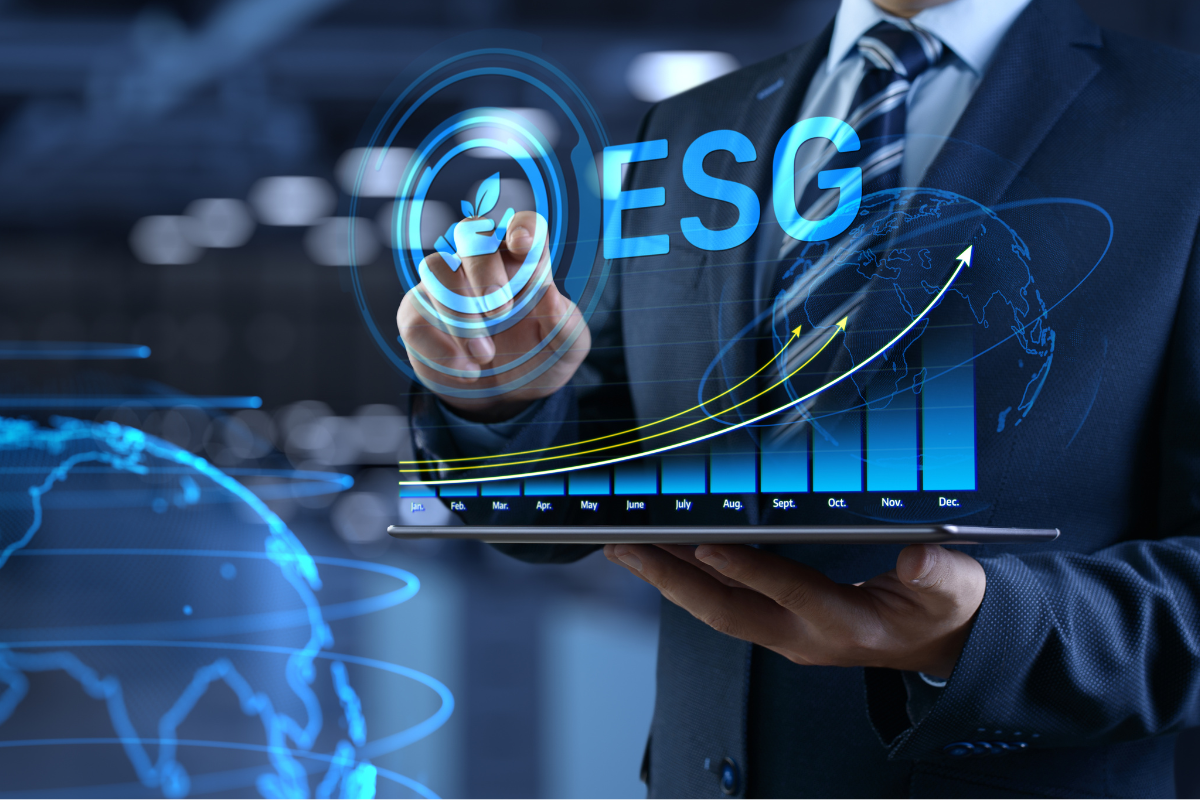
Environmental, Social, Governance (ESG) is a set of terms that has gained significant prominence in recent years. The core principles of ESG have long been applied by companies and investors using terms such as “sustainability” or “corporate social responsibility.” Regardless of its moniker, the heart of the topic is to embed sustainability into the real economy, whether through the mitigation of risks uncovered through an ESG assessment, or through taking advantage of the many opportunities that ESG offers businesses in the circular economy. For those in the recycling industry, the benefits are even more prominent, though largely untapped.
What is ESG?
ESG is an umbrella term to describe various non-financial risks and opportunities that relate to factors across environment, social, and governance perspectives. The most recognizable ESG risk is climate change – a notable and present environmental factor that affects every person on the planet. Other ESG factors could include social risks such as child or forced labor, or governance risks that include board representation and structure or how ESG disclosures are made.
Every business will be commercially affected by ESG – either directly or indirectly. Companies have already discovered that having clear ESG practices in place can enable them to win major clients, improve their borrowing terms and enhance their valuations. The degree to which this impact occurs will vary by industry. For example, carbon-intensive industries such as raw material extraction will have significant environmental risks associated with the mining and processing of materials. How a company identifies and manages these risks is a key indicator of how well their ESG process operates. The impact plays out in their financials: better-run businesses that proactively manage risk tend to be more profitable.
How is ESG impacting the e-scrap sector?
Greenhouse gas emissions from electronics and their associated waste has seen a significant increase in the last few years as consumers use more devices and dispose of them more rapidly, creating huge quantities of e-scrap in the process. The role of the e-scrap recycling sector is critical to ensure electronics avoid landfill and instead are fixed, recycled, or re-sold back into the system. However, the processes associated with recycling e-scrap can be emissions intensive. There are also potential social and governance factors to consider as well – such as health and safety policies, labor, diversity and downstream partner liabilities to consider.
As a player in the e-scrap recycling sector, you may find your larger customers asking what ESG policies you have in place or for your latest sustainability report. This is because the companies you sell services to have identified that a key ESG topic for their business is to ensure their suppliers are also considering ESG factors in their business decisions. Increasingly, sustainability has become a commercial consideration as part of OEMs procurement process. We anticipate this theme will continue to grow in prominence, and suppliers will need to demonstrate their ESG commitments in order to compete.
OEMs are also increasingly looking to their supply chains to find opportunities to reduce their own environmental footprints (a process known as insetting). Many large firms have set net-zero carbon reduction targets and are now looking for low-carbon solutions. This creates a tremendous opportunity for the sector as recycling e-scrap brings significant environmental benefits that OEMs can use for their own sustainability objectives. Innovative ways to help make these environmental benefits clear, such as providing metrics (i.e., avoided emissions estimates) can give e-scrap players an edge.
Embracing ESG: First Steps for E-Scrap Recyclers
If your organization doesn’t currently have formal ESG process in place, here are some initial steps you might consider:
1. Know Where You Stand: Defining a strategy and implementing ESG policies can bedaunting when you don’t know where you stand. Many companies are already making good progress on ESG, but are simply not communicating it under an ESG framework.
By conducting an ESG assessment of risks and opportunities you will identify indicators
relevant to your company and sector and then determine the importance of these to yourstakeholders and bottom line. This enables your leadership team to make smart decisions onwhere to focus resources in the coming year based on real data and feedback.
2. Set Your Strategy: The next step along the ESG journey is to manage your ESG risks and opportunities as part of your annual business cycle.This may include defining your sustainability ambitions, setting targets against ESG indicators (i.e., a carbon reduction target for scope 1 and 2 emissions), or looking for new ways to capitalize on your ESG credentials by, for example, communicating your strategy to key customers and investors.
A change in business practices may also bring a premium on your products and services, or position you as an ESG leader amongst your peers. Understanding these risks and opportunities, and forming a data-driven strategy for the future, will bring confidence to your C-Suite.
3. Tell Your Story: As you implement your ESG strategy and work towards your goals, it’s critical to tell the right story. Implementing ESG policies or engaging in carbon reduction actions can enable you to be an ESG leader and low-carbon supplier to the market – an important story to communicate to your buyers and stakeholders.
Providing data that helps your clients meet their own sustainability ambitions allows you to capitalize on the low-carbon economy.
A new era for ESG and e-scrap
ESG for the e-scrap sector is here to stay and will continue to grow in prominence over the coming years. However, embedding ESG into your business does not have to be a daunting task. A “crawl, walk, run” approach means that there are small steps you can take today that demonstrate action and commitment. Over time, companies can refine and build on their efforts. The key is to just start – because those who do not will be left behind.
Amanda Ackerman and Sebastian Foot are co-founders of Bloom ESG, a global advisory firm. They can be reached at hello@bloom-esg.com.