




Resource Recycling
  • The Latest
  • Podcast
  • Analysis
    • All
    • Certification Scorecard
    • Industry Announcements
    • Opinion
    IT asset disposition and electronics recycling: Now and then

    Data center moratoriums cast development shadow

    Recycling tracking data is already on your truck

    Recycling tracking data is already on your truck

    A five star ranking with one under a microscope

    Certification scorecard — week of Nov. 9

    Data centers and AI combine to create ITAD ‘growth engine’

    Component shortages drive demand for data center hardware

    Ingram Micro again files to take company public

    Ingram Micro sees lifecycle services rise 35%

    Inside the Circle: Will we lose our shirts over CA textile EPR?

    Inside the Circle: Will we lose our shirts over CA textile EPR?

  • Conferences
    • Resource Recycling Conference
    • Plastics Recycling Conference
    • E-Scrap: The Longevity Conference
    • Textiles Recovery Summit
  • Publications
    • E-Scrap News
    • Plastics Recycling Update
    • Policy Now
    • Resource Recycling
    • Other Topics
      • All Topics
      • Brand Owners
      • Critical Minerals
      • Glass
      • Grant Watch / RFPs
      • Markets
      • Organics
      • Packaging
      • Research
      • Technology
      • Textiles
Subscribe
No Result
View All Result
Resource Recycling
No Result
View All Result
Home Analysis Opinion

In My Opinion: Coping with ever-increasing logistics costs

byGraham Rihn, RoadRunner Recycling
August 29, 2022
in Opinion
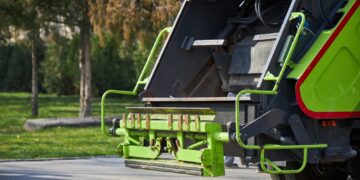
Logistics and supply chain challenges have hit the waste and recycling industry in unique ways. | Milos Muller/Shutterstock

The waste industry has been far from immune to the effects of the COVID-19 pandemic. Nearly every industry has felt it, especially when it comes to waste management and diversion. Hauling prices have increased due to inflation, demand has risen for industries to be held to greener standards, and supply chain uncertainty has created major production concerns.

Waste hauling customers are seeing their bills go up due to higher annual price increases, landfill tipping fee increases, and the high cost and scrutiny of maintaining recycling programs. The cost to run waste and recycling programs is increasing. As a result, companies are passing off these increased costs to consumers in a variety of ways.

APIs and tipping fees have increased

Graham Rihn
Graham Rihn

New surcharges, often for fuel, are now being added to waste bills. As of mid-July, diesel prices were still near $6 per gallon on average across the U.S. Several waste companies tied a “fuel surcharge” to fluctuations in the average fuel price, passing the burden on to customers. Some waste companies are tying this charge to their annual price increases (APIs). The more fuel costs a company, the more customers will be paying.

As with many sectors, waste companies are having a hard time keeping up with the demand for their services. From inflation causing the price of doing business to skyrocket to the lack of greener options, waste haulers are struggling with demands for their services and solutions they don’t offer. Landfill tipping fees are higher and recycling sorting facilities are often understaffed. Many recycling programs have been halted altogether due to costs and staffing shortages.

Demand for greener options

Waste management can mean more than simply ensuring pick ups are completed. Diving deeper into right-sizing containers for more efficient pick-ups can also make a big impact. By reducing the number of times a waste hauler needs to visit their location, companies can also reduce the associated carbon footprint. With current garbage trucks only getting around three miles per gallon, making sure those trips are worth it is a great start. That can mean ensuring the bin is appropriately full when a pick-up occurs and is not halfway there or bursting out the top.

Behavioral change is another important factor to consider when searching for ways to be a greener company. By reducing contamination in recycling bins, companies can avoid the charges that can accompany contaminated items and ensure that more materials are being diverted from their trash bins.

Pricing realities

With the pandemic accelerating interest in sustainable corporate goals, companies like Patagonia, Ikea, Apple and Proctor & Gamble have announced pledges to use more recycled material. Lingering supply chain problems and shortages of truck drivers have companies looking to purchase nearby bales of plastic instead of waiting to get virgin material.

Sharply rising oil and ocean freight prices are also factoring in. All of this caused prices for recycled materials to soar last year and into this year, though it is true we’ve some cooling of prices of late.

Ultimately, increased demand for recycled material is good for recycling programs because they see better margins. This is also keeping these materials out of landfills. The question is whether this demand will be short-lived or if it represents a momentum that can be kept up for years to come. This remains to be seen, and some of the prices for these materials are already falling.

What can we do?

As the push for sustainability continues, industries will likely see many key tenets of these types of sustainability initiatives becoming requirements rather than luxuries. Clear reporting will not simply be a selling point, it will be a necessity.

There’s more we can do in the meantime to jumpstart our green initiatives and combat the pricing increases.

First, we could start recycling programs with proper education and signage. Next, we could right-size our waste bins for efficient pick-ups. Third, we might explore greener packaging materials, such as recycled plastics and compostable wrappings. Fourth, we should investigate cleaner hauling alternatives – garbage trucks are not your only option. Finally, we must understand what we are being charged by waste haulers and find out why.

Finding a better way to do waste management is not impossible. Service interruptions and missed pick-ups are not going to get us to a zero-waste future. However, traditional haulers may find themselves without enough drivers to meet demand. As inflation and price increases continue to be an industry-wide challenge, it will be vital for us to explore new ways of hauling, making and reporting.


Graham Rihn is the founder and CEO of RoadRunner Recycling, which is headquartered in Pittsburgh, Pennsylvania.

The views and opinions expressed are those of the author and do not imply endorsement by Resource Recycling, Inc. If you have a subject you wish to cover in an op-ed, please send a short proposal to news@resource-recycling.com for consideration.


 

TweetShare
Graham Rihn, RoadRunner Recycling

Graham Rihn, RoadRunner Recycling

Related Stories

Alphabet’s Materra wants recyclers to see molecules, not bottles

byStefanie Valentic
November 13, 2026

Alphabet’s moonshot factory has spent years building a molecular map of what Americans throw away. Its strategy lead says the...

Vessel gives excess inventory a second life

Vessel gives excess inventory a second life

byPaul Lane
November 13, 2026

The recently rebranded company helps manufacturers redistribute product more cheaply than destroying it.

Teen takes e-scrap education beyond the classroom

Teen takes e-scrap education beyond the classroom

byKeith Loria
November 13, 2026

Minjun Gim uses device teardowns to explain recovery while exploring how access and repair can keep electronics out of the...

S3 Recycling Solutions CEO Rod McDaniel on ITAD growth, healthcare and AI

Export Computer Exchange: Getting ready-for-reuse equipment into Central and South America

byUriah Kiser, Resource Recycling Podcast
November 13, 2026

Recorded live at E-Scrap: The Longevity Conference in New Orleans, Uriah Kiser talks with Jen Holub, CEO of Export Computer...

Goodwill eyes EPR revenue, starting with waste audit

byStefanie Valentic
November 12, 2026

Goodwill sustainability leaders say the nonprofit’s donation network could serve packaging and textile EPR programs, but they first need hard...

Modern Mining raises $40 million in IPO

Modern Mining raises $40 million in IPO

byPaul Lane
November 12, 2026

The company has gone public as it looks to build its mineral-recovery technology up to commercial scale.

Load More
Next Post

Tetra Pak launches carton recycling initiative in Vietnam

2026 Buyers’ Guide

Equipment, services and technology suppliers serving the recycling industry.

Browse the Guide

More Posts

PureCycle sees easing headwinds to R-PP adoption

PureCycle shifts focus, secures feedstock

November 5, 2026
NexPoint Materials to shutter Alabama plastics plant

NexPoint Materials to shutter Alabama plastics plant

November 4, 2026
Inside the Circle: Will we lose our shirts over CA textile EPR?

Inside the Circle: Will we lose our shirts over CA textile EPR?

November 9, 2026
Artificial intelligence is altering the marketplace for ITAD providers in numerous ways. | Shutterstock

AI alters ITAD economics

November 3, 2026
Textile EPR needs end markets, not just collection

Textile EPR needs end markets, not just collection

November 10, 2026
PET bottles for recycling

PET imports reshape US markets as demand grows

November 11, 2026
The missing link in e-plastic recycling

The missing link in e-plastic recycling

October 28, 2026
Modern Mining raises $40 million in IPO

Modern Mining raises $40 million in IPO

November 12, 2026
UC Riverside expands reusable takeout program

UC Riverside expands reusable takeout program

November 6, 2026
IT asset disposition and electronics recycling: Now and then

Data center moratoriums cast development shadow

November 12, 2026
Load More

About & Publications

About Us

Staff
Job Listings

Archive

Magazines

Work With Us

Advertise
Contact
Terms and Privacy

Newsletters

Get the latest recycling news and analysis delivered to your inbox every week. Stay ahead on industry trends, policy updates, and insights from programs, processors, and innovators.

Subscribe

Welcome Back!

Login to your account below

Forgotten Password?

Retrieve your password

Please enter your username or email address to reset your password.

Log In

Add New Playlist

No Result
View All Result
  • The Latest
  • Podcast
  • Analysis
  • Recycling
  • E-Scrap
  • Plastics
  • Policy Now
  • Conferences
    • E-Scrap Conference
    • Plastics Recycling Conference
    • Resource Recycling Conference
    • Textiles Recovery Summit
  • Magazines – Old
  • About Us
  • Advertise
  • Archive
  • Job Listings
  • Staff
Subscribe
This website uses cookies. By continuing to use this website you are giving consent to cookies being used. Visit our Privacy and Cookie Policy.