





For most of the year, recycled resin had to compete against virgin plastic that was cheap and easy to get. A war-driven spike in energy costs briefly flipped that this spring, but analysts say the bigger picture hasn’t changed: there’s still too much virgin resin in the world, and that keeps a lid on what recycled material can sell for.
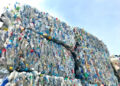
The volumes are there. At least 5.1 billion pounds of US post-consumer plastic were recovered for recycling in 2024, up 114.9 million pounds from 2022, according to a study released in July by the Association of Plastic Recyclers (APR) and the U.S. Plastics Pact. Film led the growth, up 206.8 million pounds to 1.32 billion pounds. Bottles went the other way, down 89.3 million pounds to 2.69 billion pounds. (APR owns Resource Recycling, Inc., publisher of Plastics Recycling Update.)
The economics are the problem. Recyclers in the survey described high bale prices, soft demand for post-consumer resin (PCR) and stubbornly low virgin prices, a combination that squeezed margins and made it hard to invest. And that data was collected before the PET plant closures of 2025 and 2026.
APR President and CEO Steve Alexander put it simply: the marketplace “continues to favor low-cost virgin plastic over recycled materials.”
A strange year for prices
The US-Iran war that began in late February disrupted shipping through the Strait of Hormuz and drove feedstock costs up. Middle East polyethylene exports fell about 50% in the second quarter, according to market intelligence firm ICIS. Higher energy costs propped up virgin PET, and ICIS reported that virgin PET actually priced above RPET flake in March.
In parts of Asia, that turned recycled content into a hedge. Indorama Ventures CEO Aloke Lohia told ICIS in November that brand owners in India bought recycled flake to cover a shortage of virgin PET, and that the company’s recycling business returned to profit this year.
Here in the US, APR focused on locking in demand. Its Recycling Demand Champions program grew to 15 companies in June, each committing to North American PCR, third-party certification and long-term purchasing contracts. In July, APR expanded its PCR Certification Program to verify recycled content in finished products.
Looking ahead to 2027
At a Gulf petrochemical forum this month, ICIS consultants called the industry’s oversupply structural. Global ethylene demand in 2026 is now estimated at about 180 million tonnes, compared with about 210 million tonnes projected for this year back in 2019. ICIS expects operating rates for ethylene, propylene and paraxylene to stay below historical levels.
In plain terms, once energy markets settle, virgin resin is likely to be plentiful again, and recycled grades that compete mostly on price will feel it. Tricon Energy CEO Ignacio Torras said at the forum that he expects 2027 to be the most challenging year for producers to navigate.
The long view is better for recyclers. Recycled and bio-based material makes up about 8% of polyethylene demand, 6% of polypropylene demand and 13% of PET demand today. Under an ICIS scenario, those shares could reach 31%, 30% and 33% by 2050.
The question for 2027 is whether recycled-content mandates, EPR fee incentives and trade measures can build enough demand to hold up against cheap virgin supply in the meantime.