



Critical mineral supply issues have created a major challenge in the ITAD industry, but leaders in the field feel they can be more than offset by the opportunities present in the literal gold mine of mineral recovery.
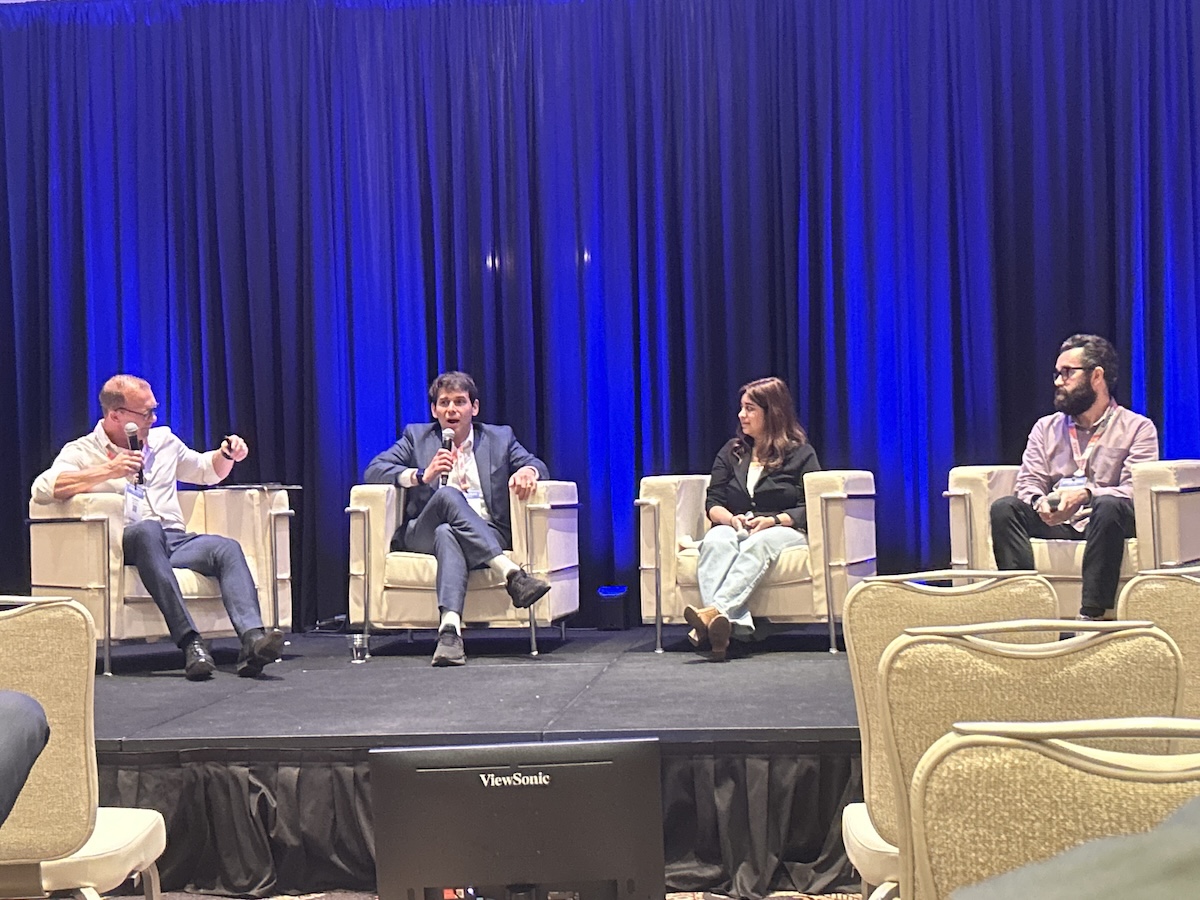
Speaking during the first day of the ITAD Summit on Tuesday in Las Vegas, several executives said the time has arrived for ITAD companies to re-examine their practices to bolster mineral-capturing capabilities.
Several moves this summer at the governmental level have highlighted the need to focus on this, according to Andrew Kroeger, founder of Vision Sephirot, a strategic advisory firm. A report last month from the International Energy Agency found that critical minerals have climbed since 2025, but supply concentration has become even more focused in China and Indonesia.
Then later in July, the White House issued an order making it harder to get minerals from certain foreign suppliers, and a separate presidential determination directed the Department of Commerce to issue restrictions on critical mineral exports.
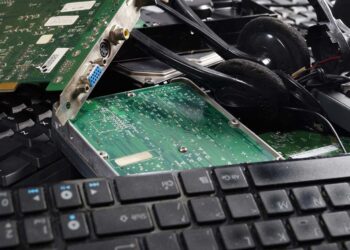
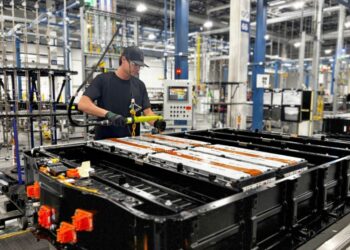
That can allow ITAD companies to grow into a new space to capitalize on all of these factors in a number of spaces, including lithium-ion batteries, hard drives, circuit boards, memory modules and CPUs.
“We’ve lost control of our supply chains,” Kroeger said. “There are some massive headwinds that are coming. It’s not recycling anymore. It’s re-integration.”
Maturing any industry takes time, but improving domestic mining capabilities can be especially tough because of the amount of time needed to cut through the red tape of opening a mine and then get it running, according to Alex Yergin, executive vice president of the Critical Minerals Forum, a roughly 60-member trade organization.
Potential permitting reform may help to a degree, but building up the refining process and creating the workforce to run a mine creates more challenges. Extracting more minerals from materials people are done with, he said, can more effectively improve access to US-based minerals and protect the nation from supply chain issues; tungsten, for example, is refined by only four companies in the world, and they’re all based in Asia.
“Most processing isn’t done here,” he said. “Reusing these minerals — this is a national security issue.”
It’s also an issue of creating more value from the minerals a company already has access to. Cyclic Materials, for example, created a separation process to recover rare earth magnet materials from other minerals in the company’s feedstock, according to Karl Meira, director of strategic partnerships. Cyclic received funding a couple years ago to advance the technology from Microsoft, which last year launched an effort to recover more minerals from hard drives and other components.
“For us, it was a matter of, can we get more potential value out of the materials and out of the components?” said Sanyukta Saptasagar, Microsoft’s senior manager for circular cloud. “It’s not only about disposing of these items properly, but can you get more out of what’s in your hands.”
The US government makes funds available to help build out mineral recovery technologies, Yergin said, if you know which agency deals with which minerals and processes. Learning that and more about what your customers want from their ITAD services can help companies reshape themselves to better meet these evolving mineral needs, he said, as can entering partnerships with similarly aligned companies that can help create better economies of scale.
“We need to think comprehensively about how we’re going to get the supply chain open and survive,” he said.
More education across the board will help, he said, allowing companies to develop better recovery methods and customers get more of their discarded items into the ITAD waste stream and out of the landfill. That extends to company leaders who may get set in their ways.
“You are not the end of the supply chain,” Saptasagar said. “You are the first in the circular loop. That opens up a lot of opportunities and creative innovation.”
The mineral supply shortage won’t be a quick fix. But Kroeger feels the crisis presents an exciting time for companies looking to create their own niche in the ITAD marketplace.
“We can be proactive and drive solutions,” he said. “This is a really cool moment. Business as usual is done.”