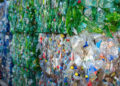




Snack food giant Mars increased its recycled content usage by about one third in 2025, according to its most recent sustainability report, but PCR still represented less than 10% of its plastics consumption.
For the year, the company incorporated 18,721 metric tons of recycled plastic, to comprise 9.2% of its global plastic portfolio. In 2024, the figure was reported at more than 14,000 metric tons, for 7% of total plastics.
The total is far short of the company’s target of 30% PCR content by 2025, set out when it signed the Ellen Macarthur Foundation (EMF) Global Commitment in 2018. However, the share has grown dramatically since 2023, when it was at just 1.5%.
Mars no longer references alignment with the EMF Global Commitment, and last year was among several consumer brands that quietly exited the US Plastics Pact.
In the report the company emphasized that it used “a relatively small amount of plastic given our size,” but that it continues to redesign packaging and substitute materials to help reduce dependence on virgin resin.
Globally, Mars reduced virgin plastic use by 5.9% from a 2019 baseline, including changing Mixed Minis packaging in India from a multi-material pouch to a tin canister, replacing polystyrene trays in Snickers gift boxes with recyclable paperboard, and conducting trials on paper flow wrap format for Kind snack bars in the US. In 2024, the company actually increased use of virgin plastic by 1.4% from 2019.
Early last year Mars and Berry Global (now Amcor) launched 100% RPET pantry jars of M&M’s, Skittles and Starburst in the US, though Mars noted this development in its 2024 report as well, released in mid-2025. The jars use mechanically recycled PCR, and the companies said at the time the change would eliminate over 1,300 metric tons of virgin plastic each year.
In the 2025 report, Mars notes that improving packaging sustainability requires system-wide change. “Progress depends not only on packaging design and materials innovation, but the ability of these packs to be integrated into real-world collection and recycling systems upon its end of life. The pace of progress remains closely linked to the readiness of these systems and the availability of food-safe recycled materials in many markets.”
In January 2025, the company’s Veterinary Health division launched a specialty plastic mail-back recycling pilot in some North American clinics, and by the fourth quarter the program had grown to nearly 173 clinics globally, diverting 4.3 metric tons of plastic from landfills, the report said.
In other developments, Mars said two thirds of its consumer-facing packaging is designed to be reusable, recyclable or compostable. The company cited its Whiskas wet pet food pouches, designed to work within existing recycling systems in the UK and Germany.
The company went on to say it continues to work with industry, government and NGOs to strengthen recycling systems and accelerate the transition toward circular packaging.
Earlier this month, the Ellen Macarthur Foundation announced a partnership with Mars and other consumer brands Nestlé, PepsiCo and Unilever to develop packaging collection and recycling programs in Brazil. The initiative, which includes municipal and federal partners as well as the Clean Rivers organization, aims to unlock up to 300 million reais (US $58 million) in recycling investment in the country.