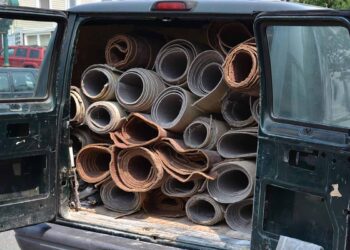






Less than 15% of the billions of pounds of agricultural plastic used in the US each year is being recycled, according to industry estimates, but a growing segment of the recycling industry is working to change that.
A peer-reviewed study published in 2025 in Resources, Conservation and Recycling modeled US ag plastic use and estimated that the sector consumes approximately 1.56 million metric tons, or 3.4 billion pounds, of plastics annually, representing about 2.7% of total domestic plastic use.
“Ag can be a solution, as you can see — it can even be a solution for food-grade products or direct food contacts,” said Cherish Changala, vice president of sustainability at Revolution, during a panel discussion at the 2026 Plastics Recycling Conference in San Diego.
Agricultural plastics represent an underdeveloped but high-quality feedstock, with the right material properties and real end markets already in place, according to processors, collectors and film manufacturers.
A proven feedstock
Despite widespread assumptions that ag film is too contaminated or limited in use, recyclers consistently pushed back on this perception, pointing to real-world examples of successful recycling into high-value products.
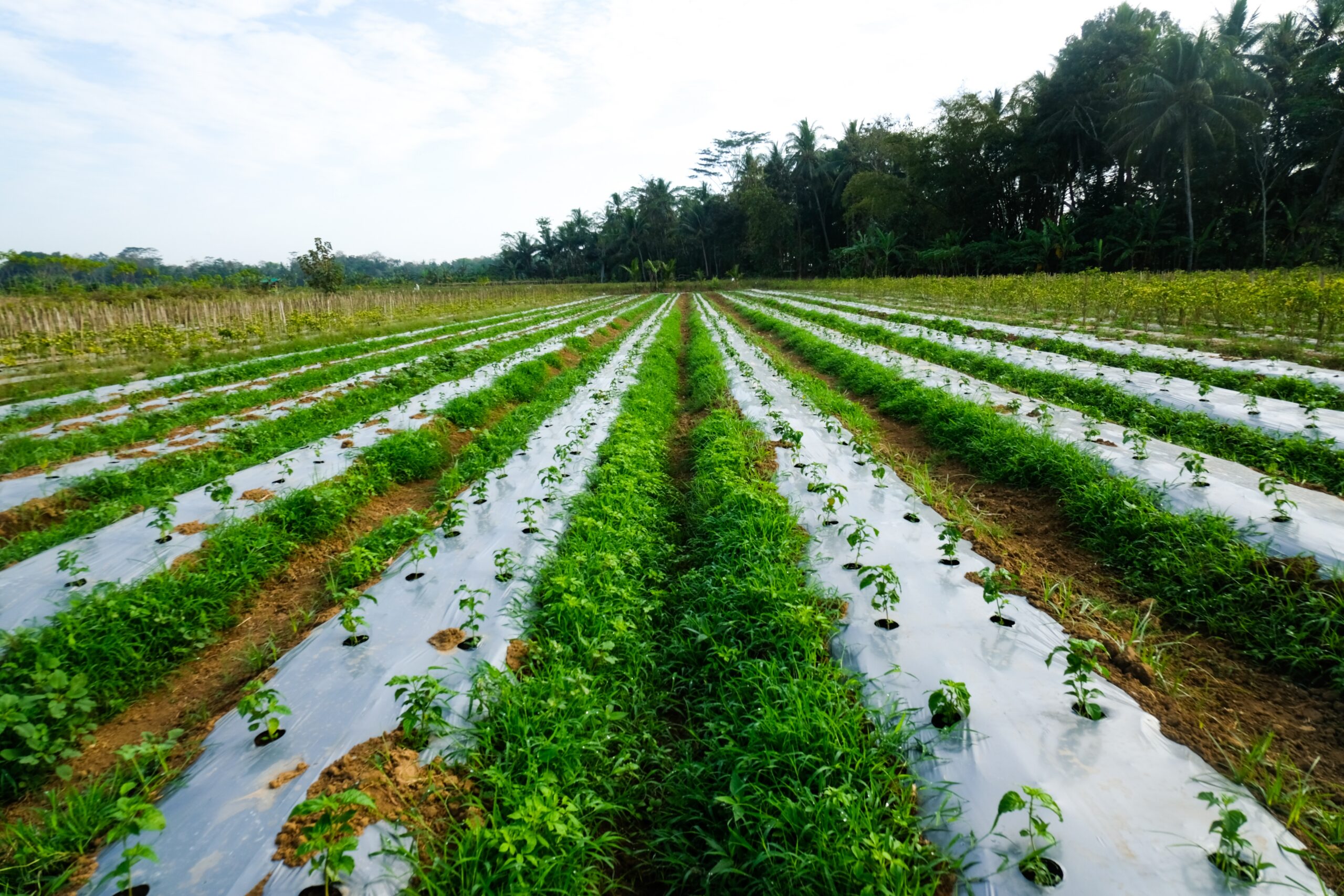
Currently, recovered plastic mulches are reported to have between 30% and 80% surface contamination, primarily resulting from soil and plant debris. However, plastic mulch waste is concentrated in areas where the product is used and can provide logistical opportunities.
Revolution, one of the country’s largest ag plastics recyclers, has obtained a Letter of No Objection (NOL) from the US FDA for its mechanical recycling process, clearing the path for collected ag film to be used in food-contact applications.
“Can ag plastics be used as a source? 100%. And we’ve been doing that and been excited about that… it is a great feedstock for that,” Changala said.
It’s only one piece of a broader argument recyclers and industry players are making: Agricultural plastics deserve a serious second look as a recycling feedstock.
“In some cases, we have been able to completely remove virgin plastic in the material and go with this post-consumer resin that we have collected and recycled,” she noted.
Manufacturers are already putting recycled polyethylene from ag films to work. California recycler Enevi pre-cleans incoming material with a single wash, palletizes it and ships it to manufacturers producing trash bags, automotive parts and drip tapes, said panelist Dev Kumar, director of strategy at Enevi.
Construction applications are emerging as another viable outlet. Kumar noted that one manufacturing partner combines ag film-derived polyethylene with polypropylene to produce construction and pond liners or end products that can absorb the contamination levels and color variability that make ag film PCR difficult to reintroduce in the film extrusion process.
Mulch film PCR can’t easily go back into film manufacturing, but it does have use in other applications. Mulch film arrives in a range of colors such as black, black-and-white, white and green, depending on the crop and the manufacturer, and the film extrusion process is highly sensitive to contamination.
“They cannot have any sort of contamination which is available in this current PCR. So that’s the challenge that the current brand owners or manufacturers have,” he said, adding that research has not yet resulted in a redesign that incorporates more PCR in the mulch film.
Contamination and logistics
Industry experts are careful to separate the plastic’s inherent recyclability from the operational challenges that currently limit throughput for ag-based recycled content.
Theron Smith, founder and owner of California recycler Flipping Iron, has worked with ag plastics for 15 years. He told Plastics Recycling Update the material’s recycling challenges are more operational than chemical.
The company first specialized in ferrous and non-ferrous metals, but has strategically expanded its reach into mining, oil, agricultural and other industrial sectors.
Unlike post-consumer packaging, ag film doesn’t require sorting by resin type, doesn’t carry adhesive residue and doesn’t present the same contamination complexity as multi-material streams. The contaminants – soil, moisture and organic matter – are known quantities with direct solutions.
This feedstock consistency is underappreciated, and for recyclers battling contamination and material challenges in municipal streams, this predictability provides an advantage the industry has been slow to leverage, Smith said.
“Ag plastic comes in truckloads at a time, and it’s all one material for the most part… it’s all single source. And the great thing about ag plastic is it is highly important, and it’s used every year on the same crops, over and over. So the source material is going to be the same thing every year, year in, year out,” he said.
The end market challenge is only part of the equation. Getting material from the field to a processor in the first place remains one of the most persistent barriers in the ag plastics supply chain, according to panelist Ted Kaiser, president of Dock 7 Materials Group.
End markets, policy and collaboration
While it is without debate that ag plastics can be recycled, economics, regulatory frameworks and cooperation need to align to make the feedstock viable at scale.
“What we need [is] end markets. We’ve often been asked, can you collect this material? Can you recycle this material? Yes, we can collect it. Yes, we can recycle it. But what is it going into is the most important thing,” Changala said.
Brands are crucial to scalability, from collection to design and manufacturing of products.
Changala said Revolution has found success with customers ensuring consistent offtake volumes. In comparison, when customers suddenly switch over to virgin resin for cost reasons, “then we have all this material that we’ve collected in hopes for that end market.” So “absolutely anything the brands can do is very appreciated and has helped us,” she said.
Until brand owners and manufacturers invest in redesigning how mulch film incorporates PCR, Kumar said, construction liners, pond liners and geomembranes remain the most accessible end markets.
Kaiser echoed the sentiment, adding that logistics play a significant role in preventing materials from reaching end markets.
“The first part is how you’re dealing with the logistics of getting material that is in widespread farms to a place where it can actually be recycled.”
He added that “a lot of those materials are typically polyethylene and polypropylene, which is generally good for recycling, especially as we talk down the road about chemical or advanced recycling.”
Emerging EPR frameworks could provide the policy backbone the ag plastics supply chain has lacked, but only if legislators don’t treat each material stream in isolation. Smith pointed to the volume of packaging already moving through agricultural operations as evidence that ag plastic has more policy leverage than the industry often recognizes.
“These EPR laws can’t be so siloed,” he said. “There is so much of ag plastics that’s beyond ag film that would be covered packaging” under EPR laws such as California’s SB 54. “So much packaging goes into all your fruits, all your vegetables are packaged.”
Kumar, meanwhile, framed the path forward as a supply chain hiccup that no single company can solve alone, one that will require brands, recyclers, governmental agencies and farmers to move in the same direction.
“Collaboration is the most important,” he said. “It’s not one company that can do it all. I think we here, as well as the folks, the brands, state agencies, play a very big part in driving the whole circularity program.”