



Resource Recycling
  • The Latest
  • Analysis
    • All
    • Certification Scorecard
    • Industry Announcements
    • Opinion
    Feds to develop repairable computer donation program

    The whitebox blind spot in PC recycling

    Analysis: circular design still elusive in laptops

    PC shipments grew in Q1, but questions remain

    The independent ITAD at a crossroads

    The independent ITAD at a crossroads

    Certification Scorecard — Week of April 20, 2026

    Apple Watch on product box.

    Wearables are coming and ITAD isn’t ready

    Certification Scorecard — Week of April 13, 2026

    EV Battery Pack - Sergii Chernov-Shutterstock

    Redwood, Rivian deal fuels US infrastructure plans

    Bloom ESG and e-Stewards roll out critical metals metric

    Colorado regulators suggest mid-range EPR scenario

    Why collaboration on plastic waste still matters

  • Conferences
  • Publications

    Other Topics

    Textiles
    Organics
    Packaging
    Glass
    Brand Owners

    Metals
    Technology
    Research
    Markets
    Grant Watch

    All Topics

Subscribe
No Result
View All Result
Resource Recycling
  • The Latest
  • Analysis
    • All
    • Certification Scorecard
    • Industry Announcements
    • Opinion
    Feds to develop repairable computer donation program

    The whitebox blind spot in PC recycling

    Analysis: circular design still elusive in laptops

    PC shipments grew in Q1, but questions remain

    The independent ITAD at a crossroads

    The independent ITAD at a crossroads

    Certification Scorecard — Week of April 20, 2026

    Apple Watch on product box.

    Wearables are coming and ITAD isn’t ready

    Certification Scorecard — Week of April 13, 2026

    EV Battery Pack - Sergii Chernov-Shutterstock

    Redwood, Rivian deal fuels US infrastructure plans

    Bloom ESG and e-Stewards roll out critical metals metric

    Colorado regulators suggest mid-range EPR scenario

    Why collaboration on plastic waste still matters

  • Conferences
  • Publications

    Other Topics

    Textiles
    Organics
    Packaging
    Glass
    Brand Owners

    Metals
    Technology
    Research
    Markets
    Grant Watch

    All Topics

Subscribe
No Result
View All Result
Resource Recycling
No Result
View All Result
Home Plastics

Report examines how to boost recycling markets in Texas

Colin StaubbyColin Staub
October 20, 2021
in Plastics
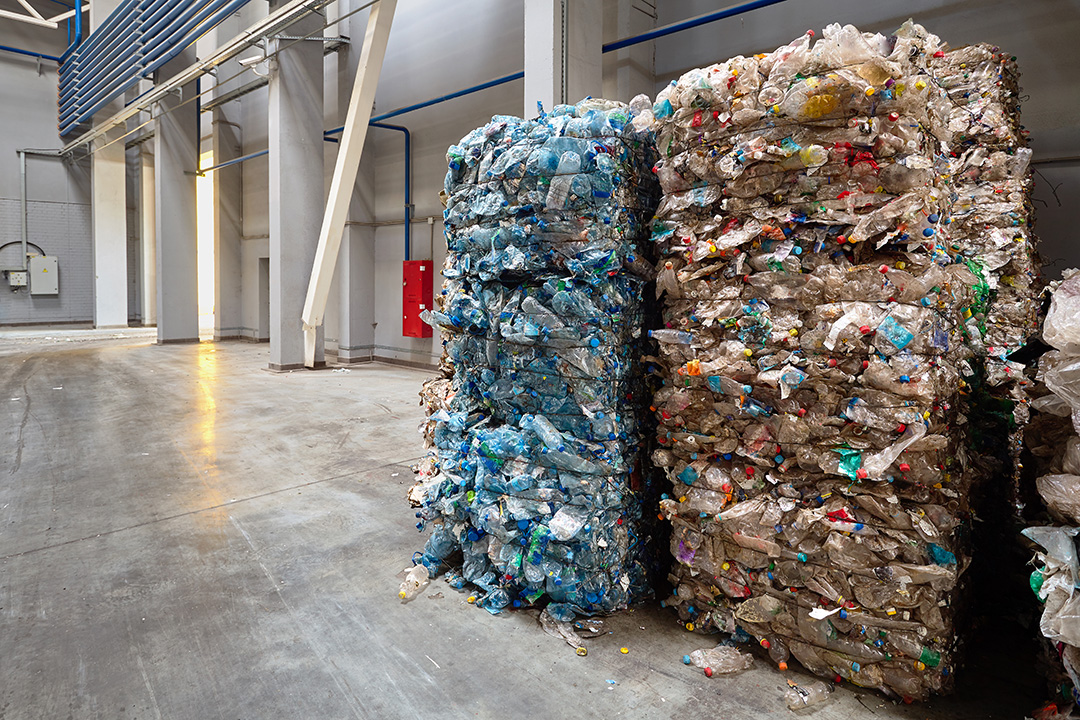
A new report shows the bulk of recyclables collected in Texas are processed at 31 MRFs. | RYosha / Shutterstock

A comprehensive look at the Lone Star State’s recycling system identified several strategies governments can use to bolster recycling market development in their jurisdictions, including recycled-content mandates and public procurement policies.

The Texas Commission on Environmental Quality (TCEQ) recently published the final report covering its “Recycling Market Development Plan.” The report was required by Senate Bill 649, which passed in 2019, and the state commissioned a team to complete the project, led by consulting firm Burns & McDonnell.

The study’s purpose was to “develop a plan to stimulate the use of recycled material feedstocks in processing and manufacturing,” according to the final report.

Totaling 318 pages, the report drew on a major survey effort, as well as annual state reports detailing collection volumes, the U.S. EPA annual Facts and Figures reports, industry group data, and more.

The report took into account common curbside recyclables, batteries and electronics, compost and other material streams. The survey received responses from numerous processors and facilities engaged in different types of end uses.

It includes an overview of diversion activities in 2019, when the state diverted more than 12.9 million tons across all MSW material categories. Those tonnages are compared with previous data from 2015, when the state diverted 9.2 million tons of material. The report attributes the growth to “significant expansion of yard trimmings, brush, and green waste composting.”

The bulk of recyclables collected in Texas are processed at 31 MRFs, according to the report.

Plastics figures show decrease in recovery

Despite the overall material collection increase, the 2019 plastics collection volume came in lower than the 2015 figure. In 2015, the report tallied 169,000 tons of plastic collected for recycling. By 2019, that number dropped to 108,000 – and that’s despite the 2019 study taking more data sources into account.

The survey focused on material collected through MRFs, but also incorporated data from six plastic film reclamation facilities in Texas.

“Plastics recycling has declined steadily since the [previous study], because of continued challenges such as declining of end market demand for low grade plastics and restrictions on exports of plastic scrap,” the report noted.

In particular, the study indicated “decreased recovery of low grade plastics, with multiple processors indicating that #3-7 mixed plastics were particularly challenging and, at times, were disposed due to soft demand. Another factor for decreasing plastic recycling may be due to manufacturers utilizing less material in their products. Light-weighted PET and HDPE packaging can result in lower recycling tonnages despite an increasing number of containers being recycled.”

By resin, the report found that PET had a 9.1% recycling rate, HDPE had a 6.3% recycling rate, PE film had a 3.8% recycling rate, 3-7 plastics had a 2.4% recycling rate, and all other plastics were assumed to be disposed of.

Market development potential

One key component of the study was an analysis of how the state can boost its recycling markets. Although the study examined how to boost recycling across all materials, mixed plastics and film were among the “highest identified priorities” examined in the report. The study found a handful of strategies state and local governments could enact to support the market development goals.

“Recycling market development is a demand-pull activity – taking actions that stimulate materials demand and that increase the volume of actual market transactions,” the report states. “Market development does not focus on a supply-push approach in that the aim is not to simply add more and more materials to the market with the hopes that someone will buy it.”

Such demand-boosting strategies include supporting businesses that use recycled materials, encouraging manufacturers to use or increase use of recycled content, and promoting consumer purchasing of products made from recycled materials.

These broad strategies can be carried out through a handful of mechanisms. Governments can share information and technical assistance for market players to help connect recycling businesses. They can also enact preferential procurement programs that prioritize recycled-content products.

Governments can provide financial assistance, incentives or disincentives for certain activities to encourage recycled content use.

Finally, they can establish policies requiring recycled material use or banning certain items from disposal, as well as extended producer responsibility (EPR) systems, which make manufacturers responsible for funding recycling of their products.

The report noted that multiple tools may be relevant to tackling the same need, and that governments should weigh the tools to determine which is most effective and provides the most return on investment.

“For example, providing information and facilitation are flexible, low-cost, high-return tools when successfully implemented,” the report stated. “Providing funding and implementing policy should be considered when other options are not possible or are unlikely to yield adequate results. Where feasible, the state should seek to leverage existing resources before creating new ones.”

The report follows a related study on the economic impact of recycling in Texas. That study, also mandated by legislation, was released in late 2017.

A version of this story appeared in Resource Recycling on October 5.

 

Machinex

Tags: MarketsResearch
TweetShare
Colin Staub

Colin Staub

Colin Staub was a reporter and associate editor at Resource Recycling until August 2025.

Related Posts

What Netflix’s ‘Plastic Detox’ gets wrong – and right

byKeith Loria
April 23, 2026

Advocates are excited about the attention brought on plastics by the documentary, but scientists say more nuance is needed.

Hawaii trials asphalt made with plastic debris and nets

Hawaii trials asphalt made with plastic debris and nets

byScott Snowden
April 20, 2026

Researchers at Hawaii Pacific University test asphalt made with fishing nets and plastic debris, with early results showing no increase...

Volatility reshapes outlook for US metals businesses

byScott Snowden
April 15, 2026

Panelists at the ReMA conference in Las Vegas said tariffs, reshoring and geopolitical tension are remaking trade flows, lifting US...

NERC launches hub to promote PCR demand 

byAntoinette Smith
April 15, 2026

The Northeast Recycling Council's PCR Material Demand Hub offers resources for government procurement, material- and product-specific resources, and certification and...

Industry group: Help us find the plastic bale volumes we need

PET bales sink further as other grades firm 

byRecyclingMarkets.net Staff
April 15, 2026

Pricing for HDPE and PP bales rose again, while PET bales remained low, film grades have steadied, and paper and...

Lead battery recycling market set for steady growth

byScott Snowden
April 14, 2026

The global lead battery recycling market is projected to grow steadily through 2034, supported by regulation, automotive replacement cycles and...

Load More
Next Post
Equipment Spotlight: Tomra updates optical sorting system

Starbucks and McDonald's add $10 million to NextGen Consortium

More Posts

Birch Plastics gets FDA green-light for post-industrial PP

LyondellBasell upgrade to PreZero assets on hold

April 23, 2026
The independent ITAD at a crossroads

The independent ITAD at a crossroads

April 22, 2026
Towfiqu ahamed barbhuiya

Before the Bin: Breaking down food date labeling

April 20, 2026

Google pilots reuse kits to extend device life

April 21, 2026
EPR fees are a market signal. Here’s what they’re telling you.

Oregon DEQ flags 250 producers for RMA noncompliance

April 21, 2026
Industry group: Help us find the plastic bale volumes we need

PET bales sink further as other grades firm 

April 15, 2026

What Netflix’s ‘Plastic Detox’ gets wrong – and right

April 23, 2026
What is EPR and why it matters

What is EPR and why it matters

April 22, 2026

NERC launches hub to promote PCR demand 

April 15, 2026
Growth challenges drive M&A for packaging

Growth challenges drive M&A for packaging

April 20, 2026
Load More

About & Publications

About Us

Staff

Archive

Magazine

Work With Us

Advertise
Jobs
Contact
Terms and Privacy

Newsletter

Get the latest recycling news and analysis delivered to your inbox every week. Stay ahead on industry trends, policy updates, and insights from programs, processors, and innovators.

Subscribe

Welcome Back!

Login to your account below

Forgotten Password?

Retrieve your password

Please enter your username or email address to reset your password.

Log In

Add New Playlist

No Result
View All Result
  • The Latest
  • Analysis
  • Recycling
  • E-Scrap
  • Plastics
  • Policy Now
  • Conferences
    • E-Scrap Conference
    • Plastics Recycling Conference
    • Resource Recycling Conference
    • Textiles Recovery Summit
  • Magazine
  • About Us
  • Advertise
  • Archive
  • Jobs
  • Staff
Subscribe
This website uses cookies. By continuing to use this website you are giving consent to cookies being used. Visit our Privacy and Cookie Policy.