




Resource Recycling
  • The Latest
  • Podcast
  • Analysis
    • All
    • Certification Scorecard
    • Industry Announcements
    • Opinion
    Partnership ups quality control on device-sales platform

    Certification scorecard — Week of November 23

    Safe disposal of household hazardous waste

    E-scrap feedstock competition mixed amid investments

    Open pit copper mine in Arizona.

    Trump touts aggressive US critical mineral goals

    From claims to custody: PCR procurement grows up

    Certification scorecard — week of Nov. 16

    Adam Gendell

    PET producers ride ‘local for local’ wave

  • Conferences
    • Resource Recycling Conference
    • Plastics Recycling Conference
    • E-Scrap: The Longevity Conference
    • Textiles Recovery Summit
  • Publications
    • E-Scrap News
    • Plastics Recycling Update
    • Policy Now
    • Resource Recycling
    • Other Topics
      • All Topics
      • Brand Owners
      • Critical Minerals
      • Glass
      • Grant Watch / RFPs
      • Markets
      • Organics
      • Packaging
      • Research
      • Technology
      • Textiles
Subscribe
No Result
View All Result
Resource Recycling
No Result
View All Result
Home Recycling

How much do bottle bills erode MRF revenues?

Marissa HeffernanbyMarissa Heffernan
February 15, 2022
in Recycling
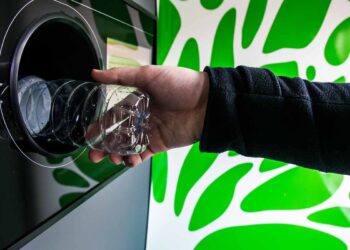
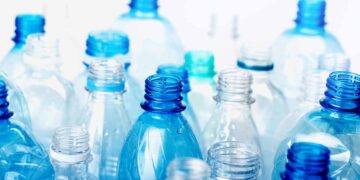
Research compared a variety of deposit systems and recycling rates increased in all scenarios, with the highest rates for an all-beverage deposit of 10 cents. | Rokas Tenys/Shutterstock

This story has been corrected.

Though container deposit systems typically help lift recovery rates for covered materials, the programs also usually reduce tonnages of high-quality PET and aluminum going to sorting facilities. A new study helps to quantify those potential impacts.

The National Waste & Recycling Association (NWRA) released the study evaluating the effect of beverage container deposit systems on MRF costs and revenues, as well as the effects on municipalities.

Prepared by Resource Recycling Systems (RRS), the research modeled six deposit scenarios with variations based on beverage type and deposit value. Each scenario is based on an average-sized MRF with 93,600 tons per year throughput serving a community of approximately 1.25 million people in 473,000 households.

Overall, the findings were that container deposits lead to higher costs and lower revenues because high-value materials move to the deposit system and out of the MRF. The fixed cost per ton is higher as the cost to run the same equipment is spread across fewer tons, the report said.

The research estimates that municipalities could see an annual MRF cost increase of $2.50 to $5 per household.

Resa Dimino, RRS managing principal, said in a press release the study provided useful data and “shows a need for balance between system and policy.”

“We need to ensure that municipalities and MRFs are kept whole as higher quality materials are collected and removed from our waste streams and waterways,” Dimino said.

The scenarios included three different beverage combinations at a 5-cent deposit and a 10-cent deposit. The combinations were beer and carbonated soft drinks; beer, carbonated soft drinks and water; and all beverages, excluding milk.

The modeling assumed that aluminum, glass and PET beverage containers are included and that a 5-cent deposit yields a 65% redemption rate while a 10-cent deposit yields a 85% redemption rate.

Recycling rates increased in all scenarios, with the highest rates for an all-beverage deposit of 10 cents (77% for PET, 83% for glass and 89% for aluminum, up from a baseline of 29%, 25% and 50%, respectively).

Overall, more glass and aluminum than PET would leave the MRF system under all scenarios, and the study suggested that between 10,770 and 17,630 tons per year would no longer make its way to MRF sort lines. That would result in a revenue loss for a typical MRF of between $11.90 and $23.50 per ton marketed, depending on which deposit scenario was in place.

However, communities could see disposal cost savings from bottle bills, the study said, as well as a reduction in litter and marine debris and related cleanup costs. Higher-value materials are also more likely to be circular, it noted.

The report said further study is needed to understand the effect on recycling collection costs and throughput due to changes in the density of the recyclables mix.

To help offset the negative effects of bottle bills on MRFs, the study suggested policies like that in California, where MRFs are able to redeem containers in bulk and collect the deposits.

“Policy can be structured to capture the benefits of beverage container deposits – high recycling rates for target materials and materials more suited for closed loop applications – while ensuring that municipal recycling programs are not harmed,” the report said.

An earlier version of this story mistakenly noted that the report found deposit systems decreased the value of a blended ton at a typical MRF by 58%. That percentage was determined by a misreading of the data. In fact, the report shows potential revenue decreases would be far lower than that. 
 

Tags: Container DepositsMRFsResearch
TweetShare
Marissa Heffernan

Marissa Heffernan

Marissa Heffernan worked at Resource Recycling from January 2022 through June 2025, first as staff reporter and then as associate editor. Marissa Heffernan started working for Resource Recycling in January 2022 after spending several years as a reporter at a daily newspaper in Southwest Washington. After developing a special focus on recycling policy, they were also the editor of the monthly newsletter Policy Now.

Related Stories

Flexible film recycling presents promise, challenges

byPaul Lane
November 20, 2026

During a US Flexible Film Initiative webinar, players across the supply chain explored what more needs to be done to...

The AI tsunami

The AI tsunami

byJim Puckett
November 19, 2026

AI data centers and the devices they make obsolete could generate 8.6 to 13.1 million metric tons of e-waste a...

Maryland EPR bill gains industry backing

JLT Recycling plans $30M MRF in Maryland

byStefanie Valentic
October 28, 2026

The timeline for the multi-million dollar MRF project aligns with the rollout of Maryland's EPR law.

Researchers work on fluorine-free battery binder

Researchers work on fluorine-free battery binder

byPaul Lane
October 16, 2026

Study authors found their alternative binder performed like traditional options with lower cost, environmental impact.

Republic breaks ground on St. Louis MRF

byStefanie Valentic
October 15, 2026

Republic Services’ new 45-ton-per-hour Bridgeton MRF is slated to open in 2028, as St. Louis is still deciding how its...

Study explores  reusable containers in California DRS

Inside the Circle: The bottle bill’s unfinished business

byBill Shireman
October 13, 2026

California’s pioneering bottle bill just turned 40. It has lessons to teach us for the future.

Load More
Next Post

News from Novolex, Repeats Group and more

2026 Buyers’ Guide

Equipment, services and technology suppliers serving the recycling industry.

Browse the Guide

More Posts

Closeup of PP with a chasing arrows recycling symbol.

PureCycle, WM sign rare 3-year bales contract

November 16, 2026
Solarcycle, Korea Zinc merge in critical mineral venture

Solarcycle, Korea Zinc merge in critical mineral venture

November 18, 2026

E-scrap feedstock competition mixed amid investments

November 19, 2026

Thrift’s seat at the textile EPR table

November 19, 2026
Northeast recycled commodity values hit 5-year lows

Washington fines producers $246K for recycled content shortfalls

November 20, 2026

Flexible film recycling presents promise, challenges

November 20, 2026
Open pit copper mine in Arizona.

Trump touts aggressive US critical mineral goals

November 19, 2026
RecyClass hits 500 EU recyclability evals

EU PET import codes set to begin

November 18, 2026

Massachusetts town turns landfill into solar-plus-storage site

November 23, 2026
A call to action: End markets and EPR

Recycling policy moves toward implementation

November 19, 2026
Load More

About & Publications

About Us

Staff
Job Listings

Archive

Magazines

Work With Us

Advertise
Contact
Terms and Privacy

Newsletters

Get the latest recycling news and analysis delivered to your inbox every week. Stay ahead on industry trends, policy updates, and insights from programs, processors, and innovators.

Subscribe

Welcome Back!

Login to your account below

Forgotten Password?

Retrieve your password

Please enter your username or email address to reset your password.

Log In

Add New Playlist

No Result
View All Result
  • The Latest
  • Podcast
  • Analysis
  • Recycling
  • E-Scrap
  • Plastics
  • Policy Now
  • Conferences
    • E-Scrap Conference
    • Plastics Recycling Conference
    • Resource Recycling Conference
    • Textiles Recovery Summit
  • Magazines – Old
  • About Us
  • Advertise
  • Archive
  • Job Listings
  • Staff
Subscribe
This website uses cookies. By continuing to use this website you are giving consent to cookies being used. Visit our Privacy and Cookie Policy.