












Nudging consumers toward higher recyclable collection rates is the goal of the communications and marketing team at Circular Action Alliance (CAA), the producer responsibility organization working to help enact extended producer responsibility (EPR) for packaging in several states that have adopted the laws.
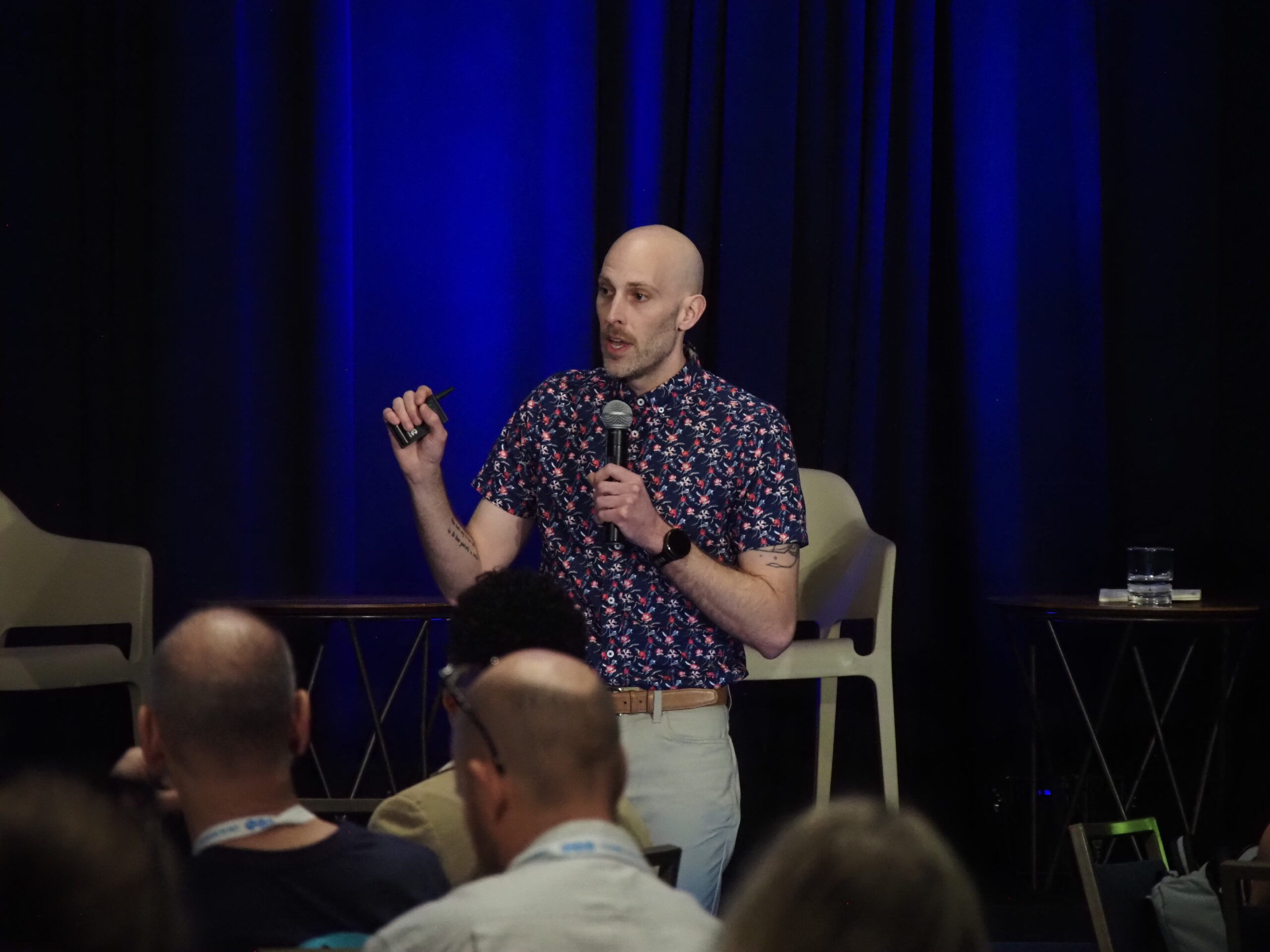
Several members of the CAA team shared their insights during a workshop at the 2026 Resource Recycling Conference in San Diego on Feb. 23-25.
Honing the message
Consumers are bombarded by hundreds of messages a day, some of them critical of recycling. “Cutting through that noise… is hard,” said Alex Bertolucci, Oregon communication manager for CAA.
Yet CAA’s recent research found that 80% of Oregon, California and Colorado residents believe recycling makes a difference. Why? Because it reduces waste, protects the planet, and is the right thing to do, study respondents said.
Some of the barriers to recycling cited in the CAA studies were cost and access, too much effort, difficulty in knowing what is recyclable, the belief that materials all go to a landfill anyway, and the sense that people don’t know what really happens to their recyclables.
In talking with a wide range of stakeholders, CAA also found that “consistency and simplicity” are key to developing effective public outreach around recycling, said Eric Dennis, recycling education and outreach director for the organization.
“Local customization is non-negotiable,” Dennis added. He said some outreach work can be effective if it taps into trusted messengers in the target communities, which research shows includes haulers, local governments, brands, local nonprofits and ultimately family and friends.
Dennis said he was “born with the green gene” and admitted it can be hard to reach those who weren’t. He noted that collaboration is key and that “it’s not just about feeling good about doing something. Consumers really want to understand why.”
Test Case: RecycleOn Oregon
Putting their ideas into practice, CAA recently rolled out the new RecycleOn Oregon education campaign.
The goal is to make recycling easier and more effective, and the tone is friendly and helpful, said Bertolucci. The team created a wide range of marketing materials, from posters to decals to mailers to a new website and a handy recycling guide, and bought media around it.
All materials were developed in 12 languages; 12% of the media buy was in Spanish. The materials sought to explain recent changes to recycling in the state and clarify what can be recycled, and how.
CAA sought input from local communities and governments, expert advisers and other stakeholders on each piece they made. The team sought to encapsulate the complexity of their state.
“We have communities that are very green, like Portland, and communities that don’t have curbside collection at all,” said Bertolucci.
Oregon communities have ordered more than 325,000 pieces of education and outreach materials from CAA. And across the state, the campaign has reached 89% of people age 18 and up, for an average of 71 times with over 125 million impressions, according to Bertolucci.
Campaign assets have garnered 76.2 million video views and 42.6 million audio streams. The next step, the team said, is to measure how the campaign actually moved real recycling rates in the state.
At the end of the day, Bertolucci said, “people want to know where does my stuff go?”