





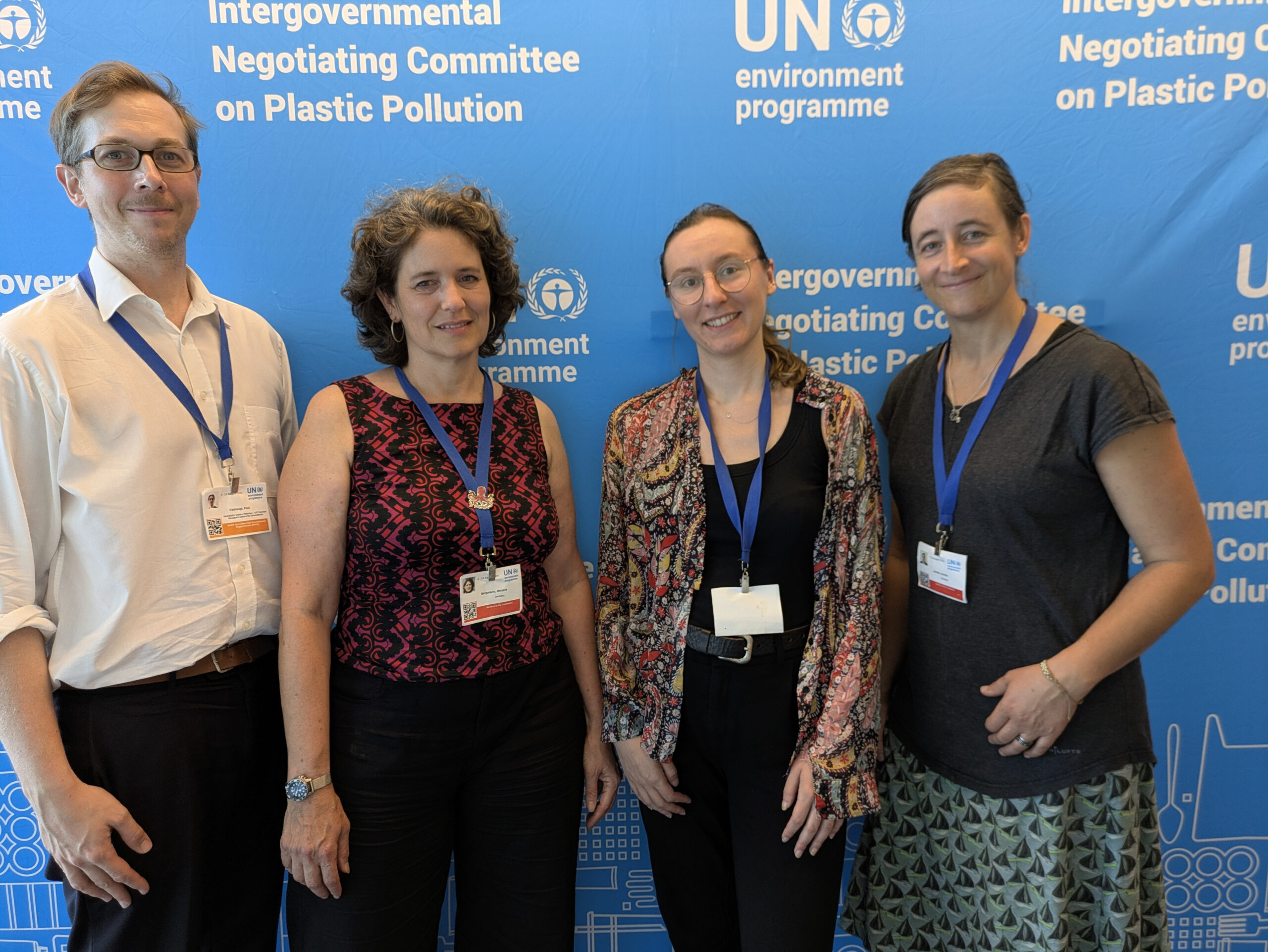
On Feb. 7, the Intergovernmental Negotiating Committee (INC) on Plastic Pollution will meet once again in Geneva, Switzerland, to elect a new chair to replace Luis Vayas Valdivieso following his resignation.
In a new white paper, several researchers from Germany say the new chair must reform INC procedures immediately, to ensure the global plastics treaty becomes reality. In August, the treaty talks collapsed before reaching consensus or devising a plan, and in October the UK Guardian reported that Vayas was resigning from the role amid pressure from the UN Environment Programme.
The one-day meeting this month is meant to select a leader for the group as well as conduct regional consultations, but will not feature any substantive negotiations.
The researchers published their commentary Feb. 3 in the journal Nature, and proposed three key changes to revive the treaty talks:
- Prioritization and sequencing: Decide on the most important issues and set priorities through heads of delegation meetings to facilitate the decision-making process along goals and milestones rather than a set timeline.
- Procedural clarity: Implement clear procedural rules to avoid diversion, including guidelines for drafting, documenting agreements from informal sessions, and resolving disagreement.
- Majority fallback voting: Strengthen options to achieve consensus by introducing a mechanism for majority rule voting in specific circumstances, such as when broad support for a policy emerges but a minority blocks progress.
The INC has a broad mandate to address the “full life cycle of plastic,” which has led to fragmented debates and delayed progress, they wrote. Participants in the negotiations disagree on interpretations of key issues including whether the treaty should cover plastics production, and these debates have hindered progress.
“Addressing the full life cycle of plastics makes negotiations for a global plastics treaty particularly difficult, highlighting the deep interconnectedness of contemporary environmental and societal issues,” wrote lead author Paul Einhäupl from RIFS. “However, it also presents a rare opportunity to address them more coherently and effectively at the multilateral level.”
Regarding previous remedies proposing production caps for plastics, “Separating negotiations on key issues such as capping plastic production and financing waste management makes it easy to pit traditional donor and recipient countries against each other,” wrote Melanie Bergmann from the Alfred Wegener Institute for Polar and Marine Research. “But the two issues are interlinked: The more plastics produced, the more infrastructure is needed. This has been used to increase division rather than bring the parties’ positions closer together towards an agreement.”
Annika Jahnke from the Helmholtz Centre for Environmental Research and Linda Del Savio, also from RIFS, were co-authors of the commentary.