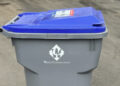










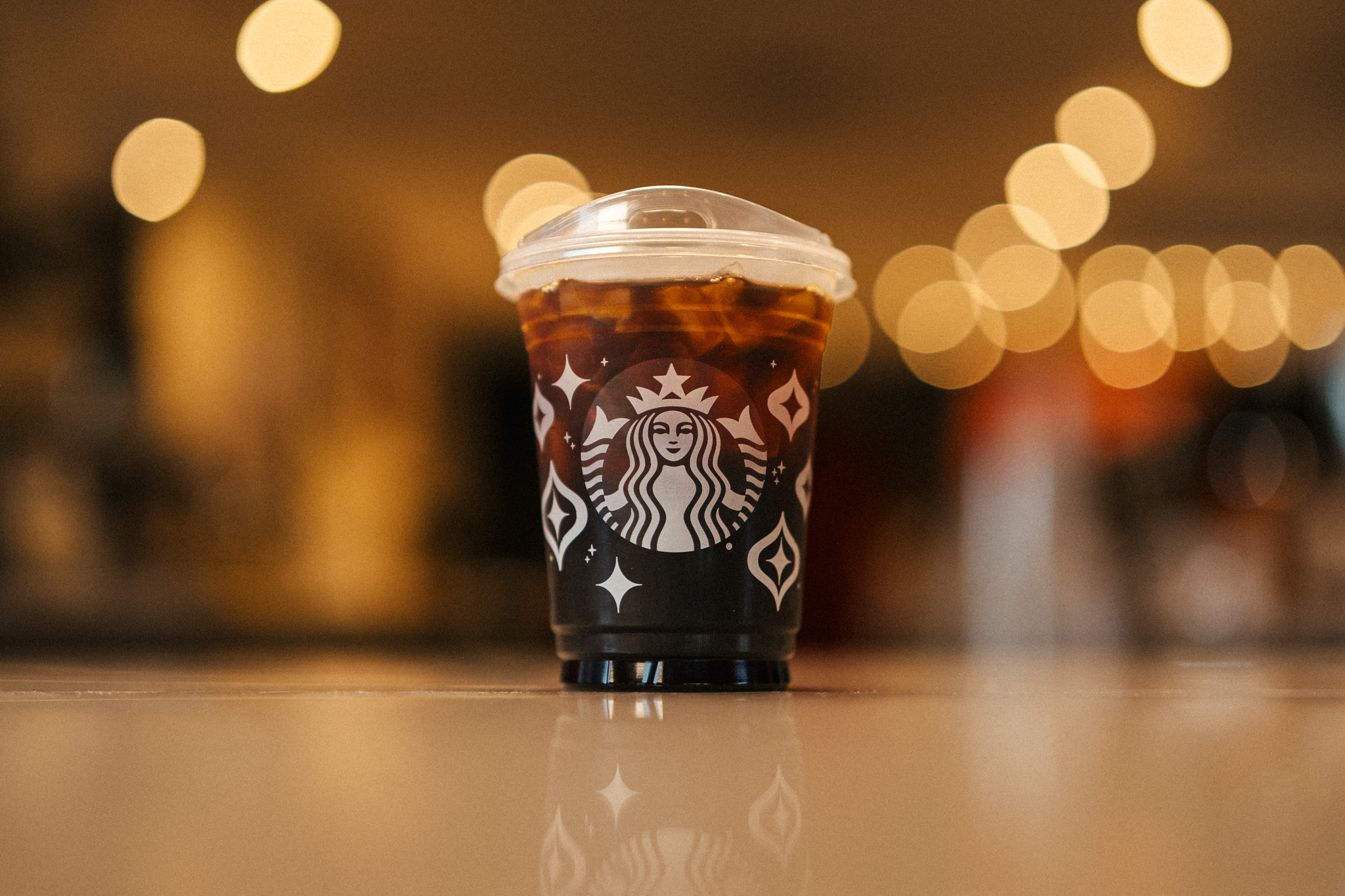
Over the past four months, a collective effort from several industry stakeholders has helped add access to curbside recycling services to more than 2 million new households, and contributed to the upgraded status for polypropylene cold-drink cups as “widely recyclable.”
Companies and organizations across the value chain partnered to achieve the upgraded status with How2Recycle, helping consumer access to recycling collection increase by more than 10% over the past several years, according to a press release.
“While this milestone reflects meaningful progress, more work lies ahead to expand access for even more consumers across the US,” the groups said in a statement. “Ongoing engagement will help residents include these items in their recyclables and strengthen the system for the future. Reaching 60% access is a big step forward but not the finish line.”
Partners’ contributions included the NextGen Consortium from Closed Loop Partners gathering major companies to develop solutions to help advance the circularity of foodservice packaging.
The Recycling Partnership’s Polypropylene Recycling Coalition has invested in infrastructure such as MRF upgrades, and provides best-practice guidance and real-time data on the recycling system. How2Recycle, a division of GreenBlue, supplied its consumer-facing labeling standards to ensure clear guidance on recyclability.
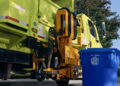
Starbucks lent its weight as a leading consumer brand, as well as its goals for reducing packaging waste, to help accelerate adoption. And hauler WM, the largest recycler in the US, helped develop end markets with KW Plastics, as well as built recycling infrastructure to process cups effectively.
In November 2025, WM added PP to-go cups to its universal list of accepted recyclable materials, and said it aims to have all of its single-stream recycling facilities accepting them by mid-2026.
WM has invested $1.4 billion in new recycling infrastructure across North America, adding capacity and capabilities. And less than a year ago KW Plastics in Alabama started up its new wash line that added 150 million to 170 million lb/year of PP processing capacity.
In 2022, How2Recycle returned PP containers to the “widely recycled” category from “check locally,” which indicates that 20% to 60% of the US has access. And in 2024, How2Recycle debuted “smart” labels that include a QR code that accesses The Recycling Partnership’s Recycle Check data.
“Expanding access, improving infrastructure and strengthening consumer communications takes collaboration across the value chain,” said Paul Nowak, executive director of GreenBlue, the nonprofit behind the How2Recycle program. “No single organization can do this alone. The work we’re doing today has benefits beyond any single material. By investing in infrastructure and consumer-tested communications, we’re driving industry and behavior change at scale.”
“Achieving the Widely Recyclable designation for polypropylene cups is a significant milestone,” said Marika McCauley Sine, chief sustainability officer at Starbucks. “It reflects what’s possible when businesses, recyclers and communities work together to create solutions that can reduce waste and make recycling easier for customers who opt for to-go beverages.”
The Recycling Partnership’s State of Recycling Report indicates that households generate about as much PP as HDPE but PP is recycled at only one-third the rate of HDPE.