












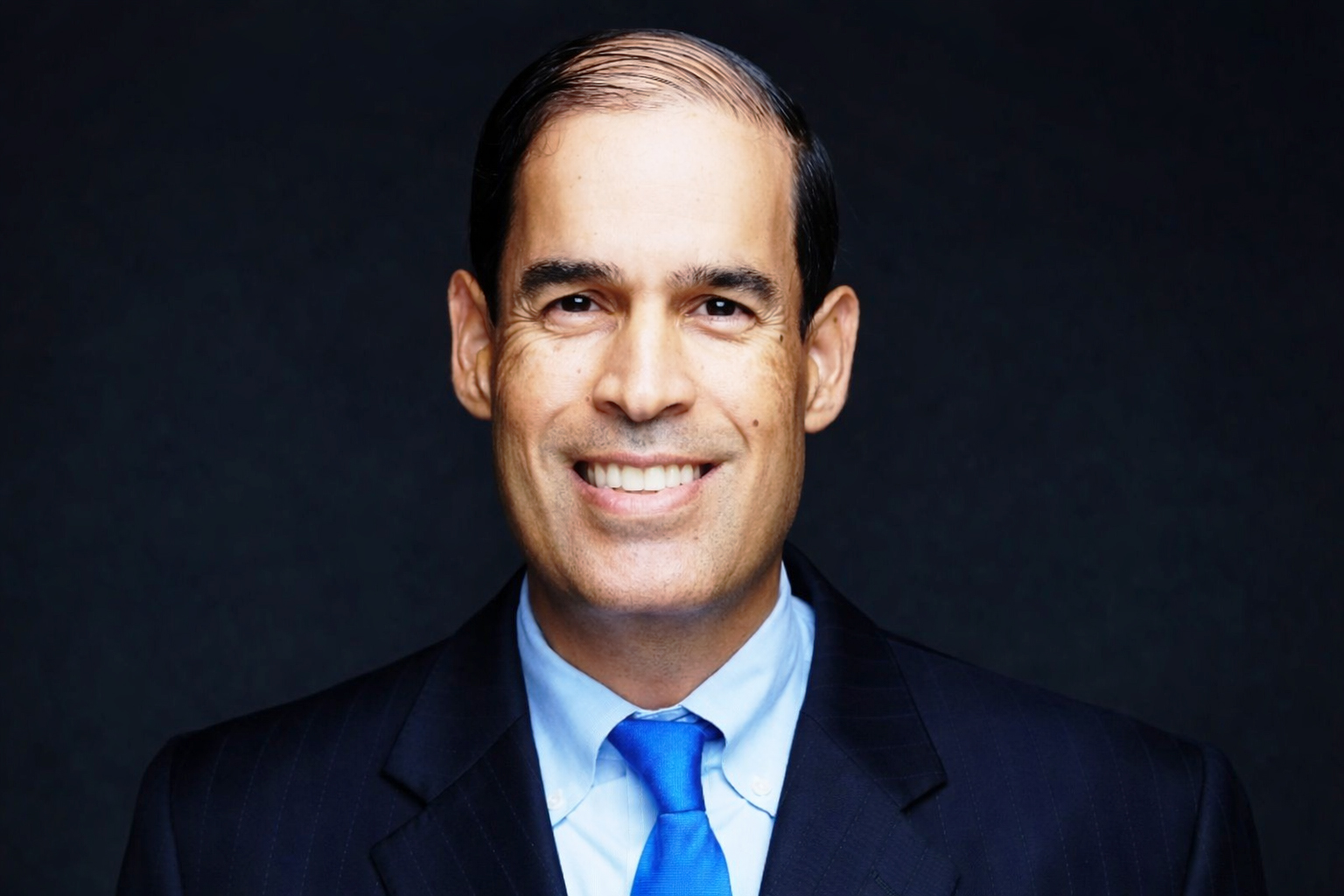
Joel Morales has spent nearly three decades moving up and down the plastics value chain, often without setting out to do so deliberately. Raised in Corpus Christi, Texas, Morales studied chemical engineering at the Massachusetts Institute of Technology, pairing the notoriously rigorous major with an unusual minor in psychology.
Looking back, he says the combination reflected both the technical and human sides of an industry that would later define his career. “It’s a pretty robust degree,” he says. “A lot of my classmates went into oil and gas, chemical companies, med school, law school. I chose chemicals.”
That decision took him first to Solvay Polymers, manufacturing polyethylene and polypropylene, before a move into field sales in St. Louis and then resin distribution, buying and reselling PE, PP and PS. Morales later became a purchasing manager for a converter, buying more than 100 million pounds of polyolefins annually, including PCR material.
Without planning it that way, he says, the path gave him a rare full-spectrum view of the plastics economy. “I worked for a resin producer, a resin distributor and a converter,” he says. “I kind of unwittingly gave myself the entire supply chain experience.”
That perspective has shaped his work since 2013 as an analyst and consultant, now serving as vice president of Americas polymers at Chemical Market Analytics by OPIS, a Dow Jones company. At the Plastics Recycling Conference, Morales is a familiar presence, delivering annual updates on virgin polymer markets and what they signal for recycled materials. “Virgin and recycled don’t always compete one-for-one,” he says, “but you absolutely need to keep an eye on what’s happening in the virgin markets if you’re dealing in recycled.”
Before he takes the stage, here’s a closer look at the person behind the market charts.
You’re given a magic wand that fixes one problem in the plastics recycling system overnight. What do you change?
I’d get rid of polystyrene – my colleagues are going to love that one. If you want to protect me a little, you could say I’d consolidate the number of plastics. Either way, simplifying the system would help.
What song would you walk on stage to at a conference, the one that makes you feel unstoppable?
I’ll go with Guns N’ Roses, “Welcome to the Jungle.” It’s a pump-you-up track. They still play it at sporting events. I’m not even sure the message is appropriate anymore, but you asked for a power song.
What’s your guilty-pleasure TV show?
It’s called Brockmire and stars Hank Azaria. It’s about a degenerate, alcoholic baseball announcer. I’m a former baseball player, so I like the baseball angle. I played all four years at MIT, Division III, and I played every year. Until recently, I also played old-man hardball leagues with wooden bats, until your body eventually tells you you’re not what you used to be.
If you weren’t in your current role, what completely different job would you secretly love to do?
I’d be a high school baseball coach. I’d probably have to teach math too, because baseball usually isn’t a full-time job.
Who was your childhood hero?
[Major League Baseball pitcher] Nolan Ryan. I watched him pitch in the Astrodome when I was a kid. He holds the strikeout record and it’s now considered untouchable. At the time, he was also known for his work ethic and clean living, so he really took on the role-model mantle.
Who would play you in the movie version of your life?
Lou Diamond Phillips.
Which movie have you seen more than any other?
Star Wars: Episode IV. The Empire Strikes Back might be a better movie, but I’ve seen Episode IV the most because it was always on television when I was growing up.
What do you always have in your fridge?
Milk. There’s always milk. There’s even backup milk in the other fridge.
What’s the most worn-out item of clothing you refuse to throw away?
My fraternity pajamas from 1995. I actually took them to a tailor to replace the elastic instead of buying new ones.
What’s something you’ve done that you’re secretly proud of but almost no one knows about?
Fixing my own stuff. Pool plumbing, washers, appliances. Making things last longer reduces consumption. It’s complicated economically, but from a materials perspective, it matters.