












The Canadian province of Alberta has provided a two-year extension for a pilot program that recycles an expanding slate of agricultural plastics.
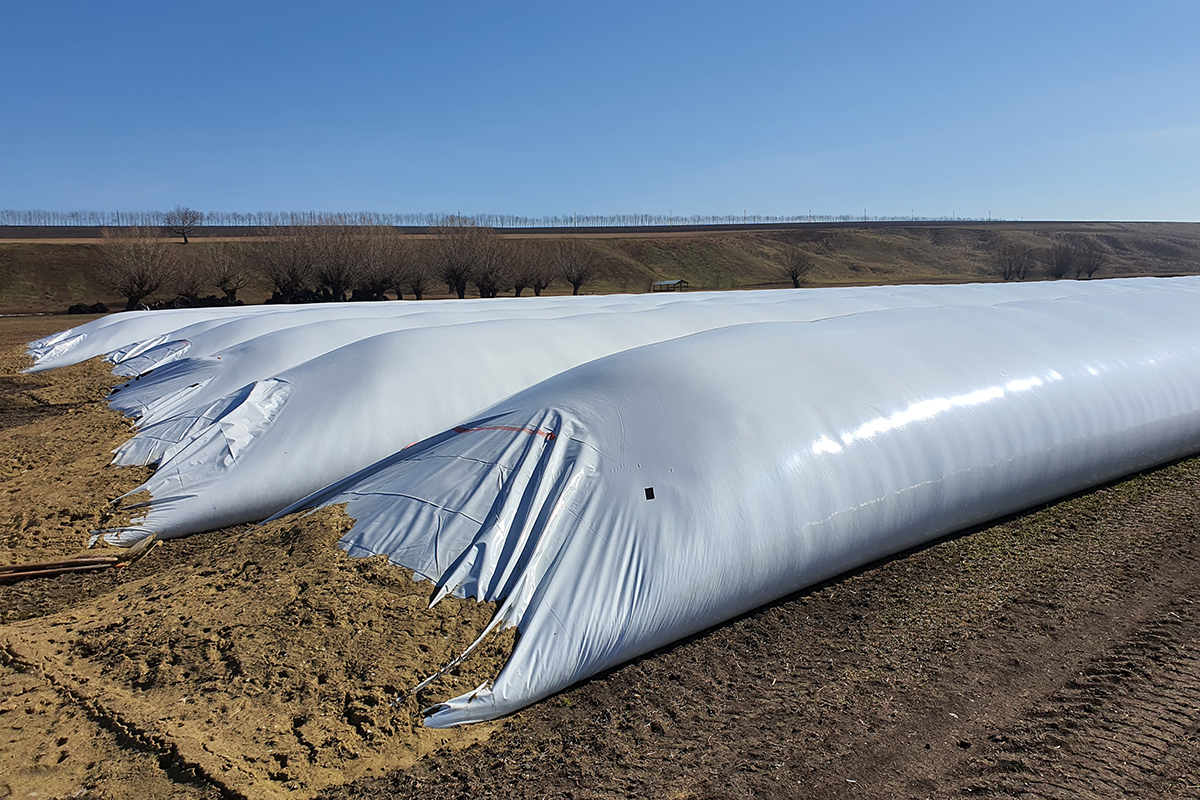
The Alberta government renewed funding for the pilot, called “Alberta Ag-Plastic. Recycle It!” The program was launched in 2019 to provide an outlet for used plastic baler twine and grain silage bags sourced from Alberta farmers, and starting in 2026 will also accept silage plastic and bale wrap in parts of the province.
The Agricultural Plastics Recycling Group (APRG), a coalition of recyclers, commodity groups, farmers, municipalities and non-profits, developed the pilot, which is operated by the Cleanfarms stewardship organization.
The renewed funding also will be used to launch the second edition of the Great Twine Round-Up. This contest encourages Albertans to collect used baler twine for recycling, and awards cash prizes to local charities and 4-H clubs. In its first year, participants brought in about 16,500 kg of used plastic baler twine.
The organizations estimate that cattle and dairy operations in Alberta use up to 3,350 metric tons of bale wrap and silage plastic each year. The pilot aims to directly inform the design of a permanent collection system across the province. The Alberta Plastics Recycling Association presented a webinar Dec. 10 on the program, featuring speakers from Cleanfarms, Merlin Plastics and other stakeholders.
Prior to the program’s inception, farmers were burning the plastic on their farms, said Assar Grinde, chair of APRG, during the webinar. He and several others who shared concerns formed APRG in 2017, and ultimately developed the pilot to determine barriers, logistics and other details to inform a permanent program later.
The provincial government quickly approved the plan and provided funding in early 2019 for a three-year project, later extended to December 2025. Plastic grain bags and baler twine were selected for collection due to the volumes available for collection as well as existing end markets. Bags are made into new grain bags and heavy-duty plastic sheeting and twine is used to make car parts, flowerpots and composite decking.
“Having an end market for collected materials is critical,” said Jennifer Koole, executive director of the Recycling Council of Alberta, during the webinar. “Otherwise, it’s just an exercise in collecting sorted materials.”
Canada’s Merlin Plastics has handled grain bags for about 10 years, said Darryl Wolski, director of sustainability, during the webinar. With the plastic bags being burned or going to landfills, “many people didn’t think of them as a commodity,” he said.
At the beginning, the company saw myriad contaminants, from dirt to rodents and steel, he said. But with programs in place that help improve communication and education about bales, the quality is getting better, he added. However, as with any collected materials, some contaminants remain, he said, and odor can be an issue.
Representing the end-user perspective was Don McKenzie, owner of agricultural plastics producer McKenzieIBC. The company makes bulk packaging out of HDPE and PP for Bayer, BASF and other manufacturers of agricultural products such as fertilizers.
“I’m not saying drainage tile isn’t a fantastic application,” he said, referring to a common end use for color HDPE. “But in our industry, it’s that buzzword of ‘closing the loop.’ How do we get something truly circular?”
Canada already had a system for collecting large agrochemical containers, he said, but what was missing was bottle-to-bottle recycling. McKenzie’s company now produces containers made of 100% recycled agrochemical packaging, he said.
The Alberta government funds the pilot, the province’s beef producers administer it and APRG and Cleanfarms provide oversight, he said. Implemented in fall 2019, the plan has expanded scope and geographic range ever since, Grinde said.
Alberta launched its extended producer responsibility (EPR) program for packaging in April 2025, and the Alberta Plastics Recycling Association hopes agricultural plastics will be next for EPR, said Executive Director Tammy Schwass during the webinar.
Saskatchewan has had EPR for grain bags since 2016, and Manitoba started EPR for grain bags and baler twine in April 2021.
Cleanfarms noted during the presentation that it would continue advocating for inclusion of ag plastics in EPR, as well as conducting outreach and education about the program and the costs of current disposal methods.