Resource Recycling
  • The Latest
  • Analysis
    • All
    • Certification Scorecard
    • Industry Announcements
    • Opinion

    Certification Scorecard — Week of March 30, 2026

    Certification scorecard – Week of March 23, 2026

    Certification Scorecard – Week of March 16, 2026

    Groups identify recovered plastics users in the Northeast

    Bale pricing for recycled plastics diverges

    Why global ITAD is stranded in the Gulf

    Why global ITAD is stranded in the Gulf

    Certification scorecard for the week of March 9, 2026

    Diversion Dynamics: Secondhand exports slow down fast fashion

    Certification scorecard for the week of March 2, 2026

    Industry announcements for January 2026

    Industry Announcements for March 2026

  • Conferences
  • Publications

    Other Topics

    Textiles
    Organics
    Packaging
    Glass
    Brand Owners

    Metals
    Technology
    Research
    Markets
    Grant Watch

    All Topics

Subscribe
No Result
View All Result
Resource Recycling
  • The Latest
  • Analysis
    • All
    • Certification Scorecard
    • Industry Announcements
    • Opinion

    Certification Scorecard — Week of March 30, 2026

    Certification scorecard – Week of March 23, 2026

    Certification Scorecard – Week of March 16, 2026

    Groups identify recovered plastics users in the Northeast

    Bale pricing for recycled plastics diverges

    Why global ITAD is stranded in the Gulf

    Why global ITAD is stranded in the Gulf

    Certification scorecard for the week of March 9, 2026

    Diversion Dynamics: Secondhand exports slow down fast fashion

    Certification scorecard for the week of March 2, 2026

    Industry announcements for January 2026

    Industry Announcements for March 2026

  • Conferences
  • Publications

    Other Topics

    Textiles
    Organics
    Packaging
    Glass
    Brand Owners

    Metals
    Technology
    Research
    Markets
    Grant Watch

    All Topics

Subscribe
No Result
View All Result
Resource Recycling
No Result
View All Result
Home Plastics

In My Opinion: EPR can shift recycling into high gear

byDylan de Thomas, The Recycling Partnership
February 7, 2023
in Plastics
Dylan de Thomas with The Recycling Partnership believes that EPR policies could help the U.S. achieve higher recycling rates. | vvoe/Shutterstock
The last several years have been a real roller coaster ride in the news for recycling, with the industry being called all manner of pejoratives, up to and including “dead.”

While not dead, recycling could reasonably be called “stuck.” Stuck at a recycling rate in the low 30% range, stuck in policies that leave consumers with the bill for their recycling service, stuck with a status quo that is decades old in some cases. 

But that’s changing. One big lever that we are just beginning to see used is extended producer responsibility (EPR) legislation. 

Going from a much-discussed policy concept with little chance of making it through a state legislature even a half-decade ago to having four states pass laws in the past 18 months, EPR for printed paper and packaging (PPP) policies are gaining momentum around the country. 

So much so, we’ll likely see EPR bills introduced in more than a dozen states this year. Why? Because EPR works to increase recycling rates – a policy lever that will help recycling become un-stuck. 

Let’s look at how.

Possibility of 75% recycling rate

Research undertaken by The Recycling Partnership demonstrates two clear facts: First, EPR increases recycling rates. Second, EPR doesn’t increase costs to consumers.

The recently released analysis found that EPR can increase overall curbside recycling rates by as much as 48 percentage points relative to current U.S. recycling rates. For most of the states examined, recycling rates under EPR could be as high as 75%, helping to maximize the positive environmental and economic impacts that recycling delivers. 

Dylan de Thomas, vice president of public policy and government affairs at The Recycling Partnership

Looking at just three states – Colorado, Maryland and Washington – the combined greenhouse gas savings from enacting EPR would approach 1 million metric tons of CO2 equivalent, and the increased recycling activity could generate several thousand jobs per state, with hundreds of thousands tons of recyclable materials injected back into the circular economy in each.

Additional research undertaken by The Recycling Partnership found claims that EPR would have a significant impact on consumers’ grocery bills are simply not credible. 

EPR fees on packaging would be miniscule in comparison to all the other factors that go into determining the cost of goods. In fact, packaging stakeholder costs tied to EPR tend to be far more stable than those that are impacted by inflationary economic pressures, such as labor or transportation.

Importance of wider system design

These clear takeaways come with a big asterisk – both the design and implementation of EPR policies matter. The goal is an improved recycling system for everyone in a given state. 

So what does a well-designed system look like? 

First, it must bring recycling access to everyone, not just the affluent. It should be built to ensure residents recycle right, it should reduce confusion for residents, and it should create consistent and cleaner streams of recyclables for manufacturing. To get there, an EPR program must include a statewide recycling goal and schedule based on a needs assessment, with clear oversight by the state’s environmental agency. 

Another important component is that the policy should empower the companies obligated to pay fees to set up producer responsibility organizations (PROs). The PRO – ideally, only one or a small set of well-coordinated PROs – should be required to develop a recycling system plan regulated by the state environmental agency. This oversight is exactly how effective EPR works around the world. 

A multi-stakeholder advisory committee representing a diverse set of stakeholders, including NGOs, haulers, communities and environmental justice interests should be created to inform the process and must be listened to by both the PRO and the regulator. This balance allows for innovation and efficiency by harnessing the private sector’s inherent drive to find efficiencies while ensuring beneficial outcomes to all state residents. 

In implementation, the state agency has a key role to play in terms of rulemaking. Look to Oregon’s Department of Environmental Quality’s process in implementing that state’s EPR law to find an excellent example.

The state agency work should complement regular, robust reporting by the PRO. Together, these groups will help deliver the manifold benefits of EPR for the recycling system, people and planet. 

Toolkit to help

All of the reports discussed in this article are available in The Recycling Partnership’s State Extended Producer Responsibility Policy Toolkit (available for download here). The resource includes research takeaways and customizable assets to support states considering smart, well-designed EPR to unlock the circular economy for their residents and businesses.

Recycling is a cause worth believing in, and well-designed EPR policy provides the framework materials recovery stakeholders need to make their systems work even better. 

A version of this story appeared in Resource Recycling on Feb. 6.

Dylan de Thomas is the vice president of public policy and government affairs at The Recycling Partnership. He can be contacted at [email protected]. 

The views and opinions expressed are those of the author and do not imply endorsement by Resource Recycling, Inc. If you have a subject you wish to cover in an op-ed, please send a short proposal to [email protected] for consideration.

Tags: EPR
TweetShare
Dylan de Thomas, The Recycling Partnership

Dylan de Thomas, The Recycling Partnership

Related Posts

Waste Connection recycling cart in The Dalles, Oregon

First Oregon community expands curbside recycling with EPR funding

byBrian Clark Howard
April 1, 2026

The City of The Dalles in northern Oregon is now rolling out nearly 5,000 new 90-gallon recycling carts to customers...

Quebec PRO reflects on first year of packaging EPR

byAntoinette Smith
March 30, 2026

The province's all-packaging collection approach has simplified messaging while providing lessons for the PRO as well as for industry.

ag plastics field

Ag industry holds potential for recycling feedstock

byStefanie Valentic
March 24, 2026

With less than 15% of US agricultural plastics currently being recycled, insiders say the gap between what's possible and what's...

Traceability tools add recycled material trust

Industry coalition seeks injunction against California’s SB 343

byStefanie Valentic
March 19, 2026

A coalition of packaging producers, farmers, restaurants and grocers has filed a class action lawsuit seeking to block enforcement of...

EPR expanding beyond packaging into tougher waste streams

EPR expanding beyond packaging into tougher waste streams

byScott Snowden
March 19, 2026

Proposals beyond packaging include boat wrap, hazardous products and oil containers, though infrastructure gaps and unclear producer rules remain, panelists...

Minnesota EPR program advances in budget bill

AF&PA seeks injunction on Oregon EPR, defends paper recycling

byStefanie Valentic
March 17, 2026

AF&PA has filed for a temporary injunction on Oregon's Recycling Modernization Act, arguing the EPR law threatens an already high-performing...

Load More
Next Post
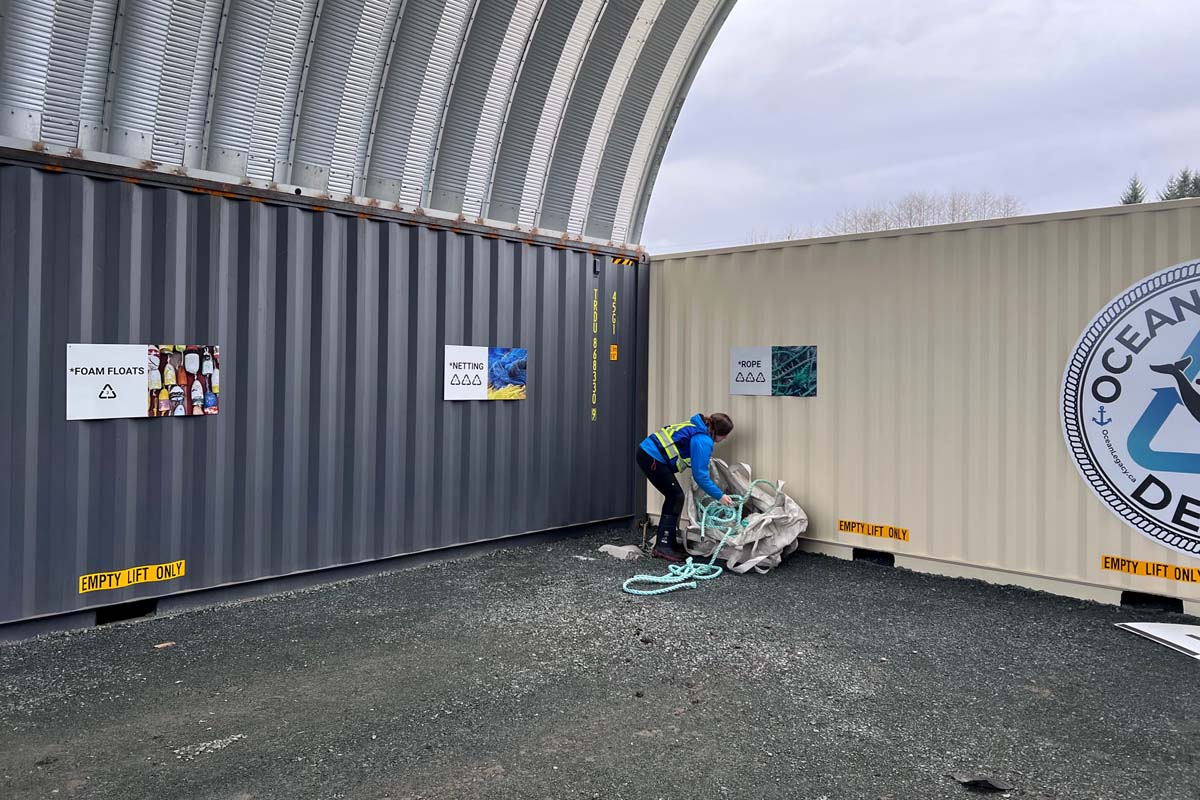
British Columbia gets fourth Ocean Plastic Depot

British Columbia gets fourth Ocean Plastic Depot

More Posts

Quebec PRO reflects on first year of packaging EPR

March 30, 2026
Belgian and Flemish flags fly against a backdrop of an ocean beach

PureCycle receives €40m EU grant for new plant

March 26, 2026
#ESC2025 Speaker Spotlight: Matthew Young

From bootstrap to boom: EVR poised for growth after capital injection

March 26, 2026
Unilever shifting focus to flexibles targets

Unilever shifting focus to flexibles targets

March 23, 2026
L-R: Koichiro Nishimura, CEO of ERI Japan and Manager, ITOCHU; John Shegerian, Chairman & CEO of ERI; and Daisuke Inoue, Deputy General Manager, ITOCHU, celebrate the announcement of ERI Japan.

ERI enters Japan through joint venture with Itochu

March 24, 2026
Groups identify recovered plastics users in the Northeast

Bale pricing for recycled plastics diverges

March 17, 2026
Auto Draft

Ball Corp. US recycled aluminum content drops

March 26, 2026
Envela reports stronger Q3 ITAD revenues

Top 5 reasons for the rise of US e-scrap recycling

March 23, 2026

Report pegs fire losses at $2.5b in US and Canada recycling industry

March 27, 2026
E-commerce packaging market set for steady global growth

E-commerce packaging market set for steady global growth

March 26, 2026
Load More

About & Publications

About Us

Staff

Archive

Magazine

Work With Us

Advertise
Jobs
Contact
Terms and Privacy

Newsletter

Get the latest recycling news and analysis delivered to your inbox every week. Stay ahead on industry trends, policy updates, and insights from programs, processors, and innovators.

Subscribe

Welcome Back!

Login to your account below

Forgotten Password?

Retrieve your password

Please enter your username or email address to reset your password.

Log In

Add New Playlist

No Result
View All Result
  • The Latest
  • Analysis
  • Recycling
  • E-Scrap
  • Plastics
  • Policy Now
  • Conferences
    • E-Scrap Conference
    • Plastics Recycling Conference
    • Resource Recycling Conference
    • Textiles Recovery Summit
  • Magazine
  • About Us
  • Advertise
  • Archive
  • Jobs
  • Staff
Subscribe
This website uses cookies. By continuing to use this website you are giving consent to cookies being used. Visit our Privacy and Cookie Policy.