




Resource Recycling
  • The Latest
  • Analysis
    • All
    • Certification Scorecard
    • Industry Announcements
    • Opinion
    e-Stewards to develop an ITAD-specific standard

    Certification scorecard — week of Sept. 21

    Who should pay for lithium-ion battery fire damage?

    America’s critical-materials buildout has a feedstock problem

    Certification scorecard – week of Sept. 14

    Canada Plastics Pact reports 2024 progress

    Trade tensions shift global mineral partnerships 

    Spin-off lets Linca focus on battery mineral recovery

    Critical mineral policy shift creates opportunity

  • Conferences
    • Resource Recycling Conference
    • Plastics Recycling Conference
    • E-Scrap: The Longevity Conference
    • Textiles Recovery Summit
  • Publications
    • E-Scrap News
    • Plastics Recycling Update
    • Policy Now
    • Resource Recycling
    • Other Topics
      • All Topics
      • Brand Owners
      • Critical Minerals
      • Glass
      • Grant Watch / RFPs
      • Markets
      • Organics
      • Packaging
      • Research
      • Technology
      • Textiles
Subscribe
No Result
View All Result
Resource Recycling
  • The Latest
  • Analysis
    • All
    • Certification Scorecard
    • Industry Announcements
    • Opinion
    e-Stewards to develop an ITAD-specific standard

    Certification scorecard — week of Sept. 21

    Who should pay for lithium-ion battery fire damage?

    America’s critical-materials buildout has a feedstock problem

    Certification scorecard – week of Sept. 14

    Canada Plastics Pact reports 2024 progress

    Trade tensions shift global mineral partnerships 

    Spin-off lets Linca focus on battery mineral recovery

    Critical mineral policy shift creates opportunity

  • Conferences
    • Resource Recycling Conference
    • Plastics Recycling Conference
    • E-Scrap: The Longevity Conference
    • Textiles Recovery Summit
  • Publications
    • E-Scrap News
    • Plastics Recycling Update
    • Policy Now
    • Resource Recycling
    • Other Topics
      • All Topics
      • Brand Owners
      • Critical Minerals
      • Glass
      • Grant Watch / RFPs
      • Markets
      • Organics
      • Packaging
      • Research
      • Technology
      • Textiles
Subscribe
No Result
View All Result
Resource Recycling
No Result
View All Result
Home Plastics

APR weighs in on three hot topics

byJared Paben
June 3, 2021
in Plastics
APR weighs in on three hot topics
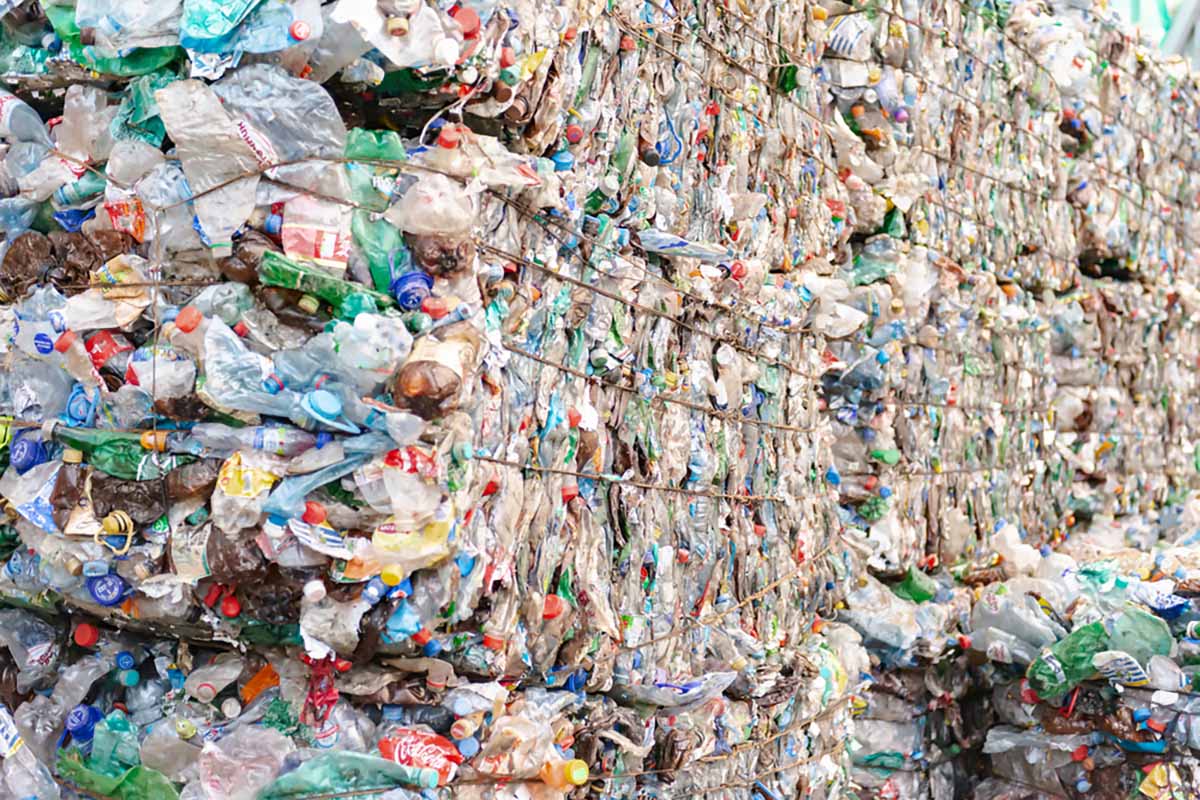
The Association of Plastic Recyclers (APR) stated its support for beverage bottle deposit laws. | Ultrasto / Shutterstock

The Association of Plastic Recyclers has published position statements on chemical recycling, the use of mass balance methodologies for post-consumer plastics, and bottle deposit programs.

The Association of Plastic Recyclers (APR) Board of Directors in May approved the three position statements, which cover topics that have taken center stage at industry events, dominated corporate press releases and fueled legislative debates. 

(APR owns Resource Recycling, Inc., publisher of Plastics Recycling Update.)

Plastic-to-fuel not recycling

Regarding chemical recycling, which refers to different processes that break down plastics into chemicals that can be used to make new plastics or other products, APR’s position statement notes that “chemical recycling has the potential to expand opportunities for recycling of materials that are not recycled by mechanical processes today,” but the technologies shouldn’t result in packaging manufacturers disregarding design for recycling guidelines.

Additionally, chemical recycling should include only processes that produce new resins, and processes that result in fuels or energy should not be considered recycling, according to APR.

A related position from APR is geared toward mass balance accounting methodologies, which are used by companies to track recycled content in products when a chemical recycling process is employed.

“APR supports a mass balance and/or corporate averaging methodology for resin manufacturers that produce recycled content resin in a chemical recycling system in which materials are not segregated by material type,” according to APR’s position statement.

The statement further notes a few situations in which APR will and will not support brand owner recycled-content claims based on mass balance. The association says the recycled-content marketing claims should accurately describe the post-consumer content of a specific product line.

In other words, if a company used 100% PCR to make Product Line A but used all virgin plastic in Product Line B, APR would not support the brand owner claiming Product Lines A and B contain 50% PCR. On the other hand, APR does support the use of corporate averaging of PCR usage for sustainability reports, “whereby a company states an average PCR based on total PCR purchased across all product lines and compared to virgin resin purchases.”

Getting behind container deposits

Regarding state bottle deposit laws, APR says it supports them, including for noncarbonated beverages such as waters and juices.

“Bottle bills significantly increase the supply of high quality post-consumer plastic resources for recyclers and end users,” according to the statement. “No alternative mechanism has been identified to replace existing deposit laws that would provide a similar stream of consistent, high volume, high-quality supply as that generated by these programs. The loss of this supply would have significant consequences for the plastics recycling industry and the recycling infrastructure.”

Chemical recycling has been a hot topic in the EPA’s consideration of the U.S. recycling rate methodology, and both chemical recycling and deposit policies are points of debate as Congress considers the Break Free From Plastic Pollution Act. Additionally, recent research published by consultants bolsters the case that deposit programs produce high recovery rates and reduce litter.

Before the most recent three position statements were approved, APR already had statements on biopolymer use in bottles; degradable additives use in bottles, forms and films; landfill bans; and post-consumer recycled content.

 

FIMIC

Tags: Container DepositsIndustry GroupsTechnology
TweetShare
Jared Paben

Jared Paben

Related Posts

APR reports success for 2026 recycling tours 

APR reports success for 2026 recycling tours 

byAntoinette Smith
September 23, 2026

In May, more than 2,500 visitors toured 41 facilities in the US and Mexico, during APR's second annual Recycling in...

Recyclers reeling from NJ PCR extension

Recyclers reeling from NJ PCR extension

byAntoinette Smith
September 23, 2026

The recent three-year extension for exemptions to the state's PCR mandates elicited frustration and confusion among recyclers.

Textile EPR and the definition of recycling

Textile Exchange reports progress in production

byPaul Lane
September 22, 2026

The organization said the industry has made some sustainability progress, but there’s much room for improvement.

Study assesses environmental cost of excess data storage

BAN paper says AI e-scrap estimates are low

byPaul Lane
September 17, 2026

The advocacy group said current estimates on the scrap resulting from data centers don’t account for the full picture of...

US packaging is evolving. The recycling system isn’t ready

US packaging is evolving. The recycling system isn’t ready

byAntoinette Smith
September 16, 2026

The second installment of the 2026 State of Recycling report from The Recycling Partnership indicates that lighter-weight packaging substrates have...

Google Pixel 6 phone

Google makes repairability part of design ethos

byBrian Clark Howard
September 16, 2026

The tech titan supports the right-to-repair movement in several key ways.

Load More
Next Post

Indorama invests over $50 million in Alabama RPET plant

2026 Buyers’ Guide

Equipment, services and technology suppliers serving the recycling industry.

Browse the Guide

More Posts

Colorado’s EPR programs move from planning to practice

Colorado’s EPR programs move from planning to practice

September 17, 2026
Recyclers reeling from NJ PCR extension

Recyclers reeling from NJ PCR extension

September 23, 2026

SB 54 plan for cartons, film draws warning

September 15, 2026
US packaging is evolving. The recycling system isn’t ready

US packaging is evolving. The recycling system isn’t ready

September 16, 2026
Study assesses environmental cost of excess data storage

BAN paper says AI e-scrap estimates are low

September 17, 2026
Alpek closing Pennsylvania RPET plant

Alpek seizing on war-related opportunity 

July 27, 2026
New Jersey pushes back PCR mandate to 2030

New Jersey pushes back PCR mandate to 2030

September 10, 2026
Van filled with rolled carpeting for recycling or disposal.

California carpet recycling rate reaches 37%

September 17, 2026
Canada tariffs latest in new normal for RPET

Canada tariffs latest in new normal for RPET

September 11, 2026
Spin-off lets Linca focus on battery mineral recovery

Critical mineral policy shift creates opportunity

September 14, 2026
Load More

About & Publications

About Us

Staff

Archive

Magazines

Work With Us

Advertise
Jobs
Contact
Terms and Privacy

Newsletters

Get the latest recycling news and analysis delivered to your inbox every week. Stay ahead on industry trends, policy updates, and insights from programs, processors, and innovators.

Subscribe

Welcome Back!

Login to your account below

Forgotten Password?

Retrieve your password

Please enter your username or email address to reset your password.

Log In

Add New Playlist

No Result
View All Result
  • The Latest
  • Analysis
  • Recycling
  • E-Scrap
  • Plastics
  • Policy Now
  • Conferences
    • E-Scrap Conference
    • Plastics Recycling Conference
    • Resource Recycling Conference
    • Textiles Recovery Summit
  • Magazines
  • About Us
  • Advertise
  • Archive
  • Jobs
  • Staff
Subscribe
This website uses cookies. By continuing to use this website you are giving consent to cookies being used. Visit our Privacy and Cookie Policy.