




Resource Recycling
  • The Latest
  • Analysis
    • All
    • Certification Scorecard
    • Industry Announcements
    • Opinion
    What the NAND flash crunch means for remarketing, refurbishment and residual values

    Telamon acquires ITAD consultancy Retire-IT

    Certification Scorecard — Week of July 6, 2026

    Tech giant pens detailed ‘plastic-free packaging’ guide

    What Google’s latest report means for ITAD

    Unpacking the Starbucks cup data

    Unpacking the Starbucks cup data

    Amazon cutting out more flexible packaging

    Amazon’s AWS hardware reuse is measured

    MP Materials breaks ground on rare earth magnet campus in North Texas

    ERI confirms ITAD shift toward minerals

  • Conferences
    • Resource Recycling Conference
    • Plastics Recycling Conference
    • E-Scrap: The Longevity Conference
    • Textiles Recovery Summit
  • Publications
    • E-Scrap News
    • Plastics Recycling Update
    • Policy Now
    • Resource Recycling
    • Other Topics
      • All Topics
      • Brand Owners
      • Critical Minerals
      • Glass
      • Grant Watch / RFPs
      • Markets
      • Organics
      • Packaging
      • Research
      • Technology
      • Textiles
Subscribe
No Result
View All Result
Resource Recycling
  • The Latest
  • Analysis
    • All
    • Certification Scorecard
    • Industry Announcements
    • Opinion
    What the NAND flash crunch means for remarketing, refurbishment and residual values

    Telamon acquires ITAD consultancy Retire-IT

    Certification Scorecard — Week of July 6, 2026

    Tech giant pens detailed ‘plastic-free packaging’ guide

    What Google’s latest report means for ITAD

    Unpacking the Starbucks cup data

    Unpacking the Starbucks cup data

    Amazon cutting out more flexible packaging

    Amazon’s AWS hardware reuse is measured

    MP Materials breaks ground on rare earth magnet campus in North Texas

    ERI confirms ITAD shift toward minerals

  • Conferences
    • Resource Recycling Conference
    • Plastics Recycling Conference
    • E-Scrap: The Longevity Conference
    • Textiles Recovery Summit
  • Publications
    • E-Scrap News
    • Plastics Recycling Update
    • Policy Now
    • Resource Recycling
    • Other Topics
      • All Topics
      • Brand Owners
      • Critical Minerals
      • Glass
      • Grant Watch / RFPs
      • Markets
      • Organics
      • Packaging
      • Research
      • Technology
      • Textiles
Subscribe
No Result
View All Result
Resource Recycling
No Result
View All Result
Home Plastics

Collector and broker adds e-plastics processing line

Colin StaubbyColin Staub
April 7, 2021
in Plastics
Where exports displaced from China are finding a home
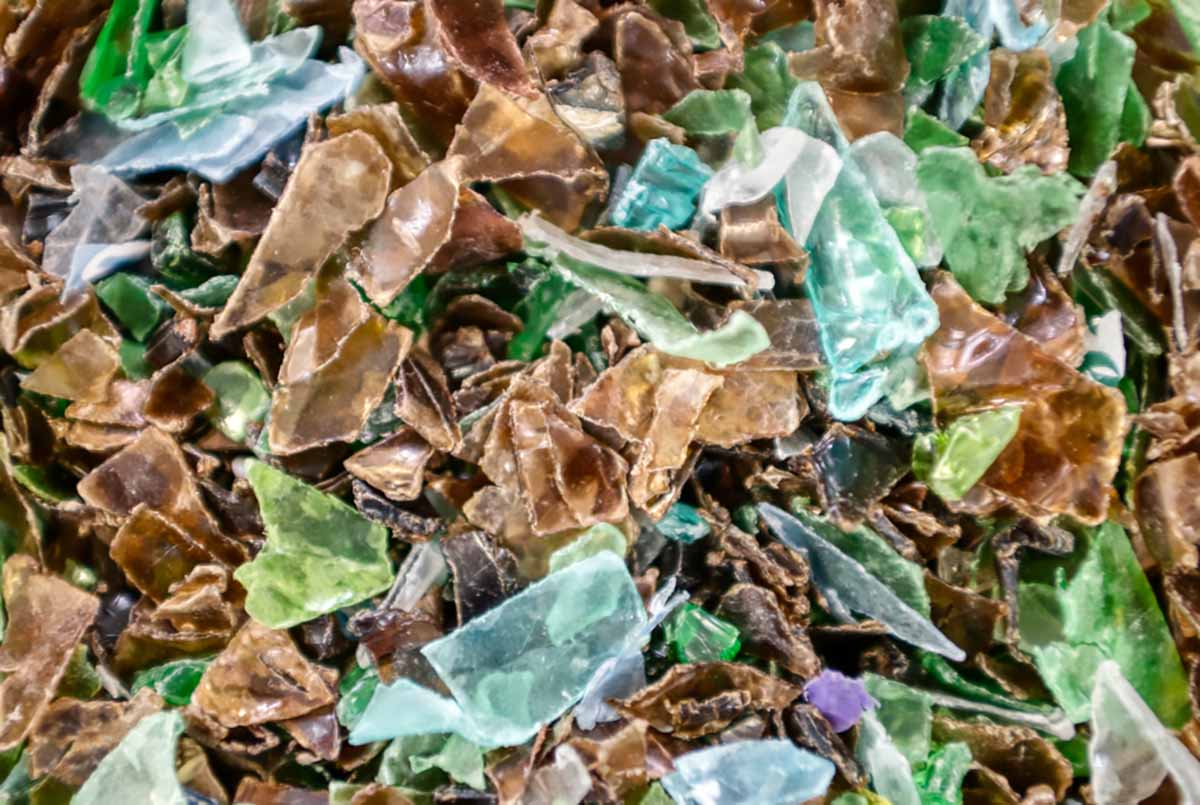
A 100,000-square-foot facility in Spain will have the capacity to process more than 50 million pounds of e-plastics per year. | sonsart/Shutterstock
Spanish plastics recycling operation Fosimpe will enter the mixed-plastics processing sector in the coming weeks, driven not only by the global regulatory environment but by greater public interest in domestic material processing.

The Segovia, Spain-headquartered company is known primarily for its scrap plastic collection and brokering services. Fosimpe collects and buys scrap plastic, including post-consumer and post-industrial resins.

In the past, the company has moved a significant portion of the plastic it handles to export markets, largely concentrated in Asia. That was particularly true for its low-value material, such as mixed plastics recovered from electronics.

But over the past year, Fosimpe has been developing its own processing arm to handle these materials domestically. The company has created a separate entity, Sostenplas, and next month it plans to start up a more than 100,000-square-foot facility, also located in Segovia. Sostenplas will have the capacity to process more than 50 million pounds of e-plastics per year.

Pablo Leon, who manages exports for Fosimpe, serves as CEO of Sostenplas. He said changes in the Basel Convention and associated regulatory changes in Europe made it more difficult to move material to export markets. But there are other forces pushing for local processing, he said.

“Of course, the door being closed for exports is a major driver, but not the only one,” Leon said. “We are also seeing more pressure from consumers, at least in Spain. We are seeing that people want all the waste that is generated in our country … to be recycled locally.”

That public interest was part of the tipping point that convinced the company the time was right for domestic processing.

“You cannot only depend on one factor, especially if it’s regulations, because regulations can be unpredictable,” Leon said. “So we wanted to be sure that the market was supporting that too.”

Shifting trade landscape

Fosimpe previously made significant changes to its export strategy following China’s 2018 ban on scrap plastic imports. That ban heavily impacted e-plastics. The company began sending more material to Southeast Asia, where Chinese processors were setting up new operations. This region was a major market for e-plastics.

Since that time, exports to Southeast Asia have become more difficult, particularly for e-plastics, which typically include a variety of difficult-to-separate resins and numerous non-plastic contaminants.

“You have a mix that is not only pure plastics, it also has wood, it has some metal residues, and some silicon, some rubber, and then you also have PS, ABS, PC, PP, sometimes PE, sometimes PA. So it’s really mixed,” Leon said.

That stream of mixed, contaminated plastic is exactly the type of material that is more heavily regulated under new changes to the Basel Convention, a global treaty governing waste shipments. The convention was amended in 2019 and the changes took effect in January 2021. Since then, countries and scrap plastic exporters have been figuring out the specifics of what can be shipped and where.

Meanwhile, the European Union enacted its own new regulations, reinforcing the Basel changes but taking the restrictions further. In general, EU member countries can now only export scrap plastic to countries that are part of the Organisation for Economic Cooperation and Development (OECD), a group of what are generally considered affluent or developed nations.

Fosimpe had previously looked for domestic outlets for e-plastics in Spain, without success. So with export becoming a less-attractive option, and few domestic options for the e-plastics, the company decided to get into the processing game itself.

“We have been exporting this material because it was the only solution,” Leon said. “But if we cannot export it because it doesn’t comply with the new Basel amendments – as it’s mixed plastics – we had to do something with that. We had to treat it locally.”

The company has been discussing the project for a couple years but really got started a year ago, Leon said. There have been some delays due to COVID-19, but the facility is gearing up to start production next month.

Elsewhere, in North America, companies have recently invested to process e-plastics in-house, with many citing uncertain export markets. They include BoMET Polymer Solutions, eCycle Solutions, Owl Electronic Recycling, Plastic Recycling, Inc. and Universal Recycling Technologies.Ā 

Complex stream requires precise process

The Sostenplas facility will use a combination of float-sink tanks and electrostatic separation, Leon said, which are the two main technologies typically used to sort e-plastics.

Fosimpe has done some light processing in the past, sorting and grinding plastics at times, but nothing on the scale of the e-plastics project. The company has invested more than $2 million in the project, though Leon noted it is not yet complete so a final investment figure is not yet available.

Once sorted, the plastics will go through a typical mechanical recycling process to produce pellets.

The company’s customers will include electronics companies, which Leon noted have made more commitments to use recycled material of late, and other sectors. Resins from e-plastics typically go into a range of markets, including household products, automotive use and more.

 

Tags: EuropeHard-to-Recycle Materials
TweetShare
Colin Staub

Colin Staub

Colin Staub was a reporter and associate editor at Resource Recycling until August 2025.

Related Posts

Utah highway project to reuse pavement

Utah highway project to reuse pavement

byAntoinette Smith
July 2, 2026

The state Department of Transportation is using cold in-place recycling to repurpose existing roadway, save millions and reduce emissions.

Aduro, AstroTurf look at recycling feedstockĀ 

Aduro, AstroTurf look at recycling feedstockĀ 

byAntoinette Smith
June 30, 2026

The companies will explore preparing the polyolefin fraction for use as chemical recycling feedstock, focusing on recovery, disassembly of the...

Our top stories from December 2019

Irish e-scrap processing volume continues to grow

byPaul Lane
June 22, 2026

WEEE Ireland reported record e-scrap recycling volumes for 2025, but company leadership claims faulty methodology had led to it falling...

batteries

WM adds batteries to recycling watch list

byPaul Lane
June 16, 2026

Putting batteries on its ā€œRecycle Rightā€ list could help WM mitigate fires they cause at collection facilities, according to company...

Small plastic recovery trial to begin in California

byPaul Lane
June 16, 2026

The Smalls Consortium’s work on recovering small-format plastics could help shape recycling efforts nationwide.

Europe’s recyclers miss most of the critical materials

Europe’s recyclers miss most of the critical materials

byDavid Daoud
May 29, 2026

A major research project makes for sober reading for ITAD professionals.

Load More
Next Post
State awards grants to boost plastics recycling

State awards grants to boost plastics recycling

More Posts

Oregon’s Recycling Modernization Act faces injunction

Oregon’s EPR program posts first-year results

July 6, 2026
Two recycled-content bills gain approval in California

California agriculture seeks SB 54 repeal

July 7, 2026
Unpacking the Starbucks cup data

Unpacking the Starbucks cup data

July 8, 2026
In Our Opinion: Coalitions: The EPR Differentiator

Inside NAW’s constitutional case against packaging EPR

July 6, 2026
EPR fees are a market signal. Here’s what they’re telling you.

Building the infrastructure behind EPR

July 6, 2026
SB 54 draft rules generate debate on rates, review

California increases PET market payments

July 7, 2026
SCS launches chem recycling standard

SCS launches chem recycling standard

July 1, 2026
Utah highway project to reuse pavement

Utah highway project to reuse pavement

July 2, 2026
MP Materials breaks ground on rare earth magnet campus in North Texas

ERI confirms ITAD shift toward minerals

July 3, 2026
Aduro, AstroTurf look at recycling feedstockĀ 

Aduro, AstroTurf look at recycling feedstockĀ 

June 30, 2026
Load More

About & Publications

About Us

Staff

Archive

Magazine

Work With Us

Advertise
Jobs
Contact
Terms and Privacy

Newsletter

Get the latest recycling news and analysis delivered to your inbox every week. Stay ahead on industry trends, policy updates, and insights from programs, processors, and innovators.

Subscribe

Welcome Back!

Login to your account below

Forgotten Password?

Retrieve your password

Please enter your username or email address to reset your password.

Log In

Add New Playlist

No Result
View All Result
  • The Latest
  • Analysis
  • Recycling
  • E-Scrap
  • Plastics
  • Policy Now
  • Conferences
    • E-Scrap Conference
    • Plastics Recycling Conference
    • Resource Recycling Conference
    • Textiles Recovery Summit
  • Magazine
  • About Us
  • Advertise
  • Archive
  • Jobs
  • Staff
Subscribe
This website uses cookies. By continuing to use this website you are giving consent to cookies being used. Visit our Privacy and Cookie Policy.