





Resource Recycling
  • The Latest
  • Analysis
    • All
    • Certification Scorecard
    • Industry Announcements
    • Opinion
    The electronics recycling industry is undergoing a transformation from labor-intensive manual operations to highly automated, AI-driven facilities that use advanced robotics, cleaner chemistry and digital tracking systems to extract critical materials.

    The cyber-physical MRF: AI and robotics reshape e-waste recovery

    Certification scorecard for the week of Feb. 9, 2026

    Meta-Corning deal signals IT hardware retirement wave

    Meta-Corning deal signals IT hardware retirement wave

    Malaysia clamps down on illegal e-waste imports amid probes

    Malaysia clamps down on illegal e-waste imports amid probes

    URT builds alliance to remake electronics plastics at scale

    ICYMI: Top 5 e-scrap stories from January 2026

    The electronics recycling industry is undergoing a transformation from labor-intensive manual operations to highly automated, AI-driven facilities that use advanced robotics, cleaner chemistry and digital tracking systems to extract critical materials.

    Certification scorecard for the week of Feb. 2, 2026

    Auditors warn EU may fall short on critical metals

    Auditors warn EU may fall short on critical metals

    Industry announcements for January 2026

    Industry announcements for February 2026

    ICYMI: Top 5 recycling stories from January 2026

  • Conferences
  • Publications

    Other Topics

    Textiles
    Organics
    Packaging
    Glass
    Brand Owners

    Metals
    Technology
    Research
    Markets
    Grant Watch

    All Topics

Subscribe
No Result
View All Result
Resource Recycling
  • The Latest
  • Analysis
    • All
    • Certification Scorecard
    • Industry Announcements
    • Opinion
    The electronics recycling industry is undergoing a transformation from labor-intensive manual operations to highly automated, AI-driven facilities that use advanced robotics, cleaner chemistry and digital tracking systems to extract critical materials.

    The cyber-physical MRF: AI and robotics reshape e-waste recovery

    Certification scorecard for the week of Feb. 9, 2026

    Meta-Corning deal signals IT hardware retirement wave

    Meta-Corning deal signals IT hardware retirement wave

    Malaysia clamps down on illegal e-waste imports amid probes

    Malaysia clamps down on illegal e-waste imports amid probes

    URT builds alliance to remake electronics plastics at scale

    ICYMI: Top 5 e-scrap stories from January 2026

    The electronics recycling industry is undergoing a transformation from labor-intensive manual operations to highly automated, AI-driven facilities that use advanced robotics, cleaner chemistry and digital tracking systems to extract critical materials.

    Certification scorecard for the week of Feb. 2, 2026

    Auditors warn EU may fall short on critical metals

    Auditors warn EU may fall short on critical metals

    Industry announcements for January 2026

    Industry announcements for February 2026

    ICYMI: Top 5 recycling stories from January 2026

  • Conferences
  • Publications

    Other Topics

    Textiles
    Organics
    Packaging
    Glass
    Brand Owners

    Metals
    Technology
    Research
    Markets
    Grant Watch

    All Topics

Subscribe
No Result
View All Result
Resource Recycling
No Result
View All Result
Home Plastics

RPET minimum content bill fails

byJared Paben
September 6, 2018
in Plastics
RPET minimum content bill fails

This story has been corrected.

California legislation requiring 20 percent recycled content in PET bottles failed. Meanwhile, state lawmakers passed a number of other plastic and recycling-related bills before adjourning.

Senate Bill 168 required PET beverage containers sold in the Golden State to contain at least 20 percent post-consumer content starting in 2020. State regulators would be tasked with adjusting the minimum percentage in later years.

On Aug. 31, just as the 2017-18 legislative session was wrapping up, the bill failed in the state Assembly. It was rejected by a vote of 29 to 30, with another 21 representatives either absent or declining to vote on it. The bill needed at least 41 votes in favor to pass in the Assembly. The state Senate had approved the bill on Jan. 29 in a vote of 28 to 6, with another 6 votes not recorded.

The American Beverage Association was among the groups opposed to the bill. Among the group’s many supporters was recycling advocacy group Californians Against Waste (CAW). Mark Murray from CAW told Plastics Recycling Update that after the final vote he talked with representative of Coca-Cola, PepsiCo and Nestle, and they agreed to continue talking this fall.

“I feel confident that with a little more time, we can develop a pathway to increase use of recycled content in all PET plastic beverage containers,” he said.

In 2016, the legislature passed and the governor signed legislation requiring beverage companies to report the amount of virgin and recycled PET they use in their beverage containers. The first reports, uploaded earlier this year, showed a wide range of RPET usage in 2017, with many companies using none and some using high levels.

As examples, Nestle Waters North America reported 43 percent recycled content usage, PepsiCo 21 percent and Coca-Cola North America 16 percent in its soda bottles but zero in other drink categories. Murray said the statewide average was 13 percent.

Other bills passed

Just before the California legislature ended its 2017-18 session, elected leaders passed a number of notable bills. Among them were those focused on stemming container redemption center closures, reducing drinking straw waste, ensuring only recyclable or compostable take-out packaging is offered on state properties, and addressing the generation of ocean plastics and presence of microplastics in drinking water.  

CAW sent out a press release hailing the passage of the bills. It noted that California Gov. Jerry Brown has until Sept. 30 to sign or veto them.

This story has been corrected to make clear that Senate Bill 168 needed at least 41 votes in favor to pass in the state Assembly. The article had erroneously indicated the legislation fell just one vote short of passing.

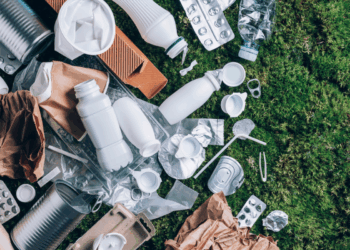
Photo credit: Michael Warwick/Shutterstock

 

Starlinger banner ad

Tags: Brand OwnersLegislationPET
TweetShare
Jared Paben

Jared Paben

Related Posts

Origin Materials to reduce staff in reorg

byAntoinette Smith
February 13, 2026

The materials technology company will lay off 32% of its staff and shift more resources toward commercializing PET closures, a...

Bipartisan reps introduce bill on recycling claims

Bipartisan reps introduce bill on recycling claims

byAntoinette Smith
February 12, 2026

Legislators introduced the Recycled Materials Attribution Act in the US House, drawing support from a new industry group and scrutiny...

APR, industry create proactive guidance for PET caps

byAntoinette Smith
February 12, 2026

The Association of Plastic Recyclers recognized that developing guidelines before PET caps were completely developed and commercialized was crucial, and...

NERC: Blended average prices fell 40% in third quarter

HDPE, PP bales rise as paper fiber and cans stabilize

byRecyclingMarkets.net Staff
February 12, 2026

National average prices of post-consumer material bales were flat to higher on the month.

Alpek talks PET overcapacity, soft demand

byAntoinette Smith
February 11, 2026

Executives from the Mexico-headquartered polyester giant said the Chinese government has acknowledged issues and convened PET producers, but Alpek is...

Oregon’s Recycling Modernization Act faces injunction

Court partially blocks Oregon EPR law, dismisses bulk of lawsuit

byStefanie Valentic
February 10, 2026

An Oregon federal court issued a limited injunction halting the state's EPR law for members of NAW, but rejected the...

Load More
Next Post

Certification scorecard: Sept. 7, 2018

More Posts

Oregon’s Recycling Modernization Act faces injunction

Court partially blocks Oregon EPR law, dismisses bulk of lawsuit

February 10, 2026
Chinese processing group details goals for US visit

AMP lays out vision of next-generation, AI-driven MRFs

July 24, 2024
Malaysia clamps down on illegal e-waste imports amid probes

Malaysia clamps down on illegal e-waste imports amid probes

February 6, 2026

REUSE Act heads to US House for consideration

February 9, 2026
Meta-Corning deal signals IT hardware retirement wave

Meta-Corning deal signals IT hardware retirement wave

February 9, 2026

ecoATM recycled 7.5M phones in 2025 as payouts hit $1.5B

February 10, 2026
Texas sues over dumped wind turbine blades

Texas sues over dumped wind turbine blades

February 10, 2026

Alpek talks PET overcapacity, soft demand

February 11, 2026

APR, industry create proactive guidance for PET caps

February 12, 2026
The electronics recycling industry is undergoing a transformation from labor-intensive manual operations to highly automated, AI-driven facilities that use advanced robotics, cleaner chemistry and digital tracking systems to extract critical materials.

The cyber-physical MRF: AI and robotics reshape e-waste recovery

February 12, 2026
Load More

About & Publications

About Us

Staff

Archive

Magazine

Work With Us

Advertise
Jobs
Contact
Terms and Privacy

Newsletter

Get the latest recycling news and analysis delivered to your inbox every week. Stay ahead on industry trends, policy updates, and insights from programs, processors, and innovators.

Subscribe

Welcome Back!

Login to your account below

Forgotten Password?

Retrieve your password

Please enter your username or email address to reset your password.

Log In

Add New Playlist

No Result
View All Result
  • The Latest
  • Analysis
  • Recycling
  • E-Scrap
  • Plastics
  • Policy Now
  • Conferences
    • E-Scrap Conference
    • Plastics Recycling Conference
    • Resource Recycling Conference
    • Textiles Recovery Summit
  • Magazine
  • About Us
  • Advertise
  • Archive
  • Jobs
  • Staff
Subscribe
This website uses cookies. By continuing to use this website you are giving consent to cookies being used. Visit our Privacy and Cookie Policy.