










Resource Recycling
  • The Latest
  • Analysis
    • All
    • Certification Scorecard
    • Industry Announcements
    • Opinion
    EPR fees are a market signal. Here’s what they’re telling you.

    EPR fees are a market signal. Here’s what they’re telling you.

    Wolframite ore, the primary ore of tungsten from Altai, Russia

    Tungsten scrap export controls draw industry attention

    Certification Scorecard — Week of April 6, 2026

    Closed Loop Partners acquires Sutter Metals, connecting electronics disposition to metals recovery

    Certification Scorecard — Week of March 30, 2026

    Industry announcements for January 2026

    Industry announcements for April 2026

    Certification scorecard – Week of March 23, 2026

    Certification Scorecard – Week of March 16, 2026

    Groups identify recovered plastics users in the Northeast

    Bale pricing for recycled plastics diverges

  • Conferences
  • Publications

    Other Topics

    Textiles
    Organics
    Packaging
    Glass
    Brand Owners

    Metals
    Technology
    Research
    Markets
    Grant Watch

    All Topics

Subscribe
No Result
View All Result
Resource Recycling
  • The Latest
  • Analysis
    • All
    • Certification Scorecard
    • Industry Announcements
    • Opinion
    EPR fees are a market signal. Here’s what they’re telling you.

    EPR fees are a market signal. Here’s what they’re telling you.

    Wolframite ore, the primary ore of tungsten from Altai, Russia

    Tungsten scrap export controls draw industry attention

    Certification Scorecard — Week of April 6, 2026

    Closed Loop Partners acquires Sutter Metals, connecting electronics disposition to metals recovery

    Certification Scorecard — Week of March 30, 2026

    Industry announcements for January 2026

    Industry announcements for April 2026

    Certification scorecard – Week of March 23, 2026

    Certification Scorecard – Week of March 16, 2026

    Groups identify recovered plastics users in the Northeast

    Bale pricing for recycled plastics diverges

  • Conferences
  • Publications

    Other Topics

    Textiles
    Organics
    Packaging
    Glass
    Brand Owners

    Metals
    Technology
    Research
    Markets
    Grant Watch

    All Topics

Subscribe
No Result
View All Result
Resource Recycling
No Result
View All Result
Home Plastics

China: Scrap imports down 12 percent due to ban

Colin StaubbyColin Staub
March 21, 2018
in Plastics

China’s top environmental official has quantified the reduction in scrap materials flowing into the country as a result of recent restrictions. He also spoke publicly about the market fallout and the criticism China has received for enacting its reforms.

Li Ganjie, China’s minister of environmental protection, said imports of solid waste, which is usually understood to refer to scrap and waste materials, dropped by 12 percent in 2017. He offered the figure during a March 17 press conference held in conjunction with the 13th National People’s Congress. It’s the latest figure charting the global scrap movement shift away from China. It follows data released in January that shows Southeast Asian countries have boosted their imports in response.

During the Congress, officials also announced a number of government department consolidations. Among them, the Ministry of Environmental Protection (MEP) will be overhauled and rolled into a new, larger Ministry of Ecological Environment. Li will head the new department, which will perform not only the current MEP functions but also those of six other departments.

In addition to quantifying the drop, Li provided a government perspective of how the country got to the point of banning certain scrap imports.

“China’s importing of solid waste started from the 1980s,” Li said through a CCTV translator. “At the beginning, the volume was not too large.”

In the 1990s, however, it began to increase substantially. Some 20 years ago, scrap imports into China hit 4.5 million metric tons, Li stated. A decade later, they had skyrocketed to 45 million metric tons.

Although the material was a valuable resource as a feedstock for manufacturing, Li described “many prominent problems” that emerged as the imports continued. The shipments contained contamination and prohibited materials. China is a member of the Basel Convention, which means it has rights and obligations to prevent the import of certain hazardous materials and other types of waste. However, “due to lack of control, a large amount of prohibited wastes have been imported,” Li said.

The country in 2017 ramped up inspections of recycling facilities to check for environmental compliance. Out of 1,792 companies inspected in July 2017, roughly 60 percent of them had pollution violations, Li said.

Last year also brought a sharp increase in imports for the first six months of the year, Li said, which pushed the country further toward its decision in July to ban certain types of scrap materials.

“Due to various reasons, including the improvement of the market, some enterprises (took) the so-called ‘opportunity’ to import foreign wastes, so there was an increased volume of foreign wastes,” he explained. “In the second half of last year, we’ve adopted plans to control this, and yielded obvious results. In the future, we will keep this momentum and keep maintaining the favorable environment.”

The ban is an aim to greatly reduce the volume of imported materials, Li said. It is “of great significance and necessity, and is fully reasonable,” he said. “As we’re the Ministry of Environmental Protection, we will fully uphold the spirit of the Central Committee. And we’ve yielded relatively good results.”

Global fallout

At the press conference, a reporter asked Li to share his assessment of the worldwide effects of the ban, and whether there will be follow-up measures.

“To implement the Central Committee’s policies timely … some policies are implemented in a short period,” he said. “It may result in chaos in society.”

Li added that in his opinion, some of the voices that have been critical of the Chinese policies are downplaying their own culpability or responsibility to adjust accordingly.

“During the whole process, we’ve taken multiple problems into consideration,” he said. “And we’ve left the transition time and period before the policy and action plan. For more specific problems, we also timely coordinate with relevant parties and solve it, so there was no great impact.”

“I think now the most important thing is that not only China, but any other foreign country should implement the spirit of the Basel Convention and try to reduce, dispose of and consume the hazardous waste and other garbage they produced, which will be conducive to promoting a global green low-carbon recycling development and building a clean, beautiful world,” Li said.

 

EremaSubscribe to the print magazine

Tags: AsiaMarketsTrade & Tariffs
TweetShare
Colin Staub

Colin Staub

Colin Staub was a reporter and associate editor at Resource Recycling until August 2025.

Related Posts

Trafigura signs $1.1b deal for recycled battery metals

byScott Snowden
April 8, 2026

Trafigura entered the agreement to expand access to recycled critical materials, supporting efforts to build more resilient battery supply chains...

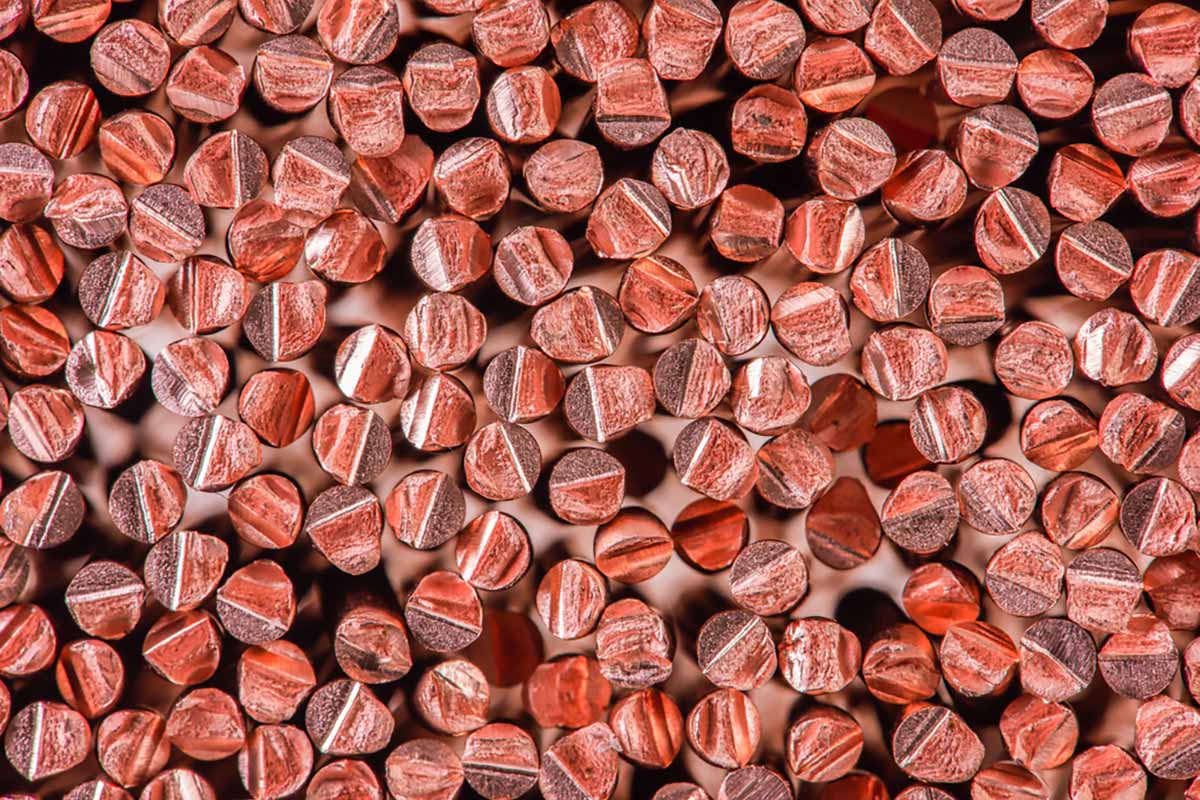
Recycled copper output climbs as market shows surplus

byScott Snowden
April 6, 2026

Secondary copper production rose in January, with scrap-driven gains in China helping push global output higher as exchange inventories surged...

With RPET in crisis, focus turns to solutions

With RPET in crisis, focus turns to solutions

byAntoinette Smith
April 2, 2026

Stakeholders from across the RPET value chain share concrete solutions for the short term to help prevent further loss of...

E-commerce packaging market set for steady global growth

E-commerce packaging market set for steady global growth

byScott Snowden
March 26, 2026

The global e-commerce packaging market hit $78.4b in 2025 and is forecast to grow at a 4.8% CAGR through 2031,...

ag plastics field

Ag industry holds potential for recycling feedstock

byStefanie Valentic
March 24, 2026

With less than 15% of US agricultural plastics currently being recycled, insiders say the gap between what's possible and what's...

Groups identify recovered plastics users in the Northeast

Bale pricing for recycled plastics diverges

byAntoinette Smith
March 17, 2026

Negligible PET bottle bale values elicit fears of landfilling, while rising prices for HDPE natural and PP bales add to...

Load More
Next Post

Major Northeast plastics processing plant in the works

More Posts

Wineries help create model for film recycling

Wineries help create model for film recycling

April 7, 2026
With RPET in crisis, focus turns to solutions

With RPET in crisis, focus turns to solutions

April 2, 2026
End markets, policy key to RPET viability

End markets, policy key to RPET viability

April 8, 2026

Trafigura signs $1.1b deal for recycled battery metals

April 8, 2026
PCA closing Richmond plant

PCA closing Richmond plant

April 2, 2026
Oregon’s Recycling Modernization Act faces injunction

Why EPR’s biggest obstacle might not be legislation

April 6, 2026

Apparel retailer organization challenges SB 707 textile PRO selection

April 2, 2026
EPR fees are a market signal. Here’s what they’re telling you.

EPR fees are a market signal. Here’s what they’re telling you.

April 10, 2026

Independents complement primary PRO in state EPR

April 6, 2026
Wolframite ore, the primary ore of tungsten from Altai, Russia

Tungsten scrap export controls draw industry attention

April 9, 2026
Load More

About & Publications

About Us

Staff

Archive

Magazine

Work With Us

Advertise
Jobs
Contact
Terms and Privacy

Newsletter

Get the latest recycling news and analysis delivered to your inbox every week. Stay ahead on industry trends, policy updates, and insights from programs, processors, and innovators.

Subscribe

Welcome Back!

Login to your account below

Forgotten Password?

Retrieve your password

Please enter your username or email address to reset your password.

Log In

Add New Playlist

No Result
View All Result
  • The Latest
  • Analysis
  • Recycling
  • E-Scrap
  • Plastics
  • Policy Now
  • Conferences
    • E-Scrap Conference
    • Plastics Recycling Conference
    • Resource Recycling Conference
    • Textiles Recovery Summit
  • Magazine
  • About Us
  • Advertise
  • Archive
  • Jobs
  • Staff
Subscribe
This website uses cookies. By continuing to use this website you are giving consent to cookies being used. Visit our Privacy and Cookie Policy.