





What I expected to be a year of opportunity for plastics recycling in 2025 did not materialize. These 5 factors will shape 2026, underpinned by recyclers’ resiliency and perseverance.
A year ago, I foresaw 2025 as a year of opportunity for plastics recycling, describing the industry as being on the brink of transformation. There was optimism that corporate sustainability commitments to increase recycled content in their packaging would be renewed, especially as customers consistently express a preference for recyclable packaging and expect brands to follow through on their environmental commitments. State extended producer responsibility (EPR) laws were coming into effect, creating a structure to provide companies an incentive to design more recyclable packaging and invest in recycling systems.
In December 2025, however, plastics recyclers were completing what often has been described as the worst year to date, amid cheap virgin and imported resin, and renewed criticism of the industry in well-publicized reports. Why? Very simply, the issue is market demand. The closures of reclaimer rPlanet Earth in California and a PET wash line at Phoenix Technologies in Ohio were bitter pills to swallow. These companies closed because they don’t have any customers.
Despite the complex market dynamics and evolving policy landscapes, recyclers showed resilience, innovation, and determination in 2025. In 2026, that perseverance will continue. Here is what that will shape plastics recycling in the year ahead.
Five Key Factors
1. Policy Levers
To widen the market for recycled plastics, policy levers are needed to incentivize use of post-consumer recycled (PCR) content. As of August 2025, five states have passed laws requiring PCR content in plastic packaging.
As such, the Association of Plastic Recycler’s (APR) primary focus for 2026 will be on how to incentivize the market to use domestically sourced recycled plastics.
2. Create Market Demand
The key to making plastics recycling economically viable is to create demand. Although EPR legislation helps incentivize collection of plastic packaging by way of producer funding, without a market for that material, the only thing we’re going to end up with is a lot more material with nowhere for it to go.
As one example, consumer brands have pulled back on ambitious voluntary PCR targets but still are using recycled resin. They currently depend on cheaper imports, which may not be certified as post-consumer material or may originate in countries that lack the same environmental and labor guardrails as exist in the US.
It’s all about bringing manufacturing back to the United States, right? It’s all part and parcel of what this administration is doing. In actuality, the need to grow domestic manufacturing extends to Canada and Mexico. We all know material flows back and forth, sometimes three, four times before it ends up in a final product.
3. Yes, Recycling Works
Another issue that has frustrated plastic recyclers is public mistrust of the system, often spurred by critical and sometimes misleading reports, along with “tracker tests.” For example, a recent report somehow conflated the reduction in use of virgin plastic as something that doesn’t work. The one thing that we know which does work to create plastics being sustainable is the recycling component of it. This leaves me a little confused by the narrative of saying recycling doesn’t work.
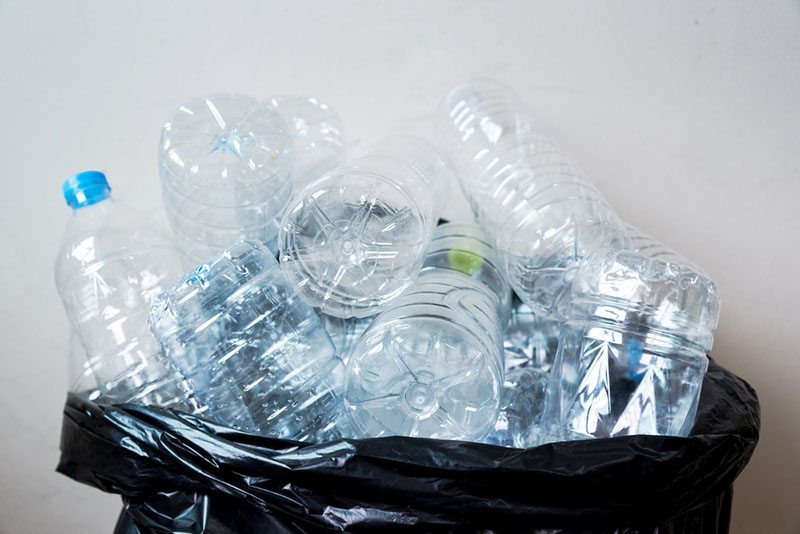
However, consumers can still feel confident about their role in reducing their own carbon footprint – and in making recycling work – primarily by putting their plastic bottles and containers in the bins. The most iconic container that is recyclable, that consumers use, is a water bottle, and yet somehow we only collect three of 10 of them. We can’t recycle what is not collected.
Another misconception is that North America faces a recycling capacity shortage. A report published in May 2025 indicated that North American recyclers could process 1.7 billion additional pounds/year of plastic – about one-third more than current 5 billion.
To say recycling doesn’t work is an erroneous statement. The fact of the matter is, “it works.”
Although the concept of recycling is often treated as a monolith whose success is evaluated with a binary rating system of working versus not working, five distinct elements are required for packaging to successfully complete the full recycling process. First and foremost, a plastic product must be designed for recycling. If it’s not designed to be recycled, it doesn’t matter what else you do with it.
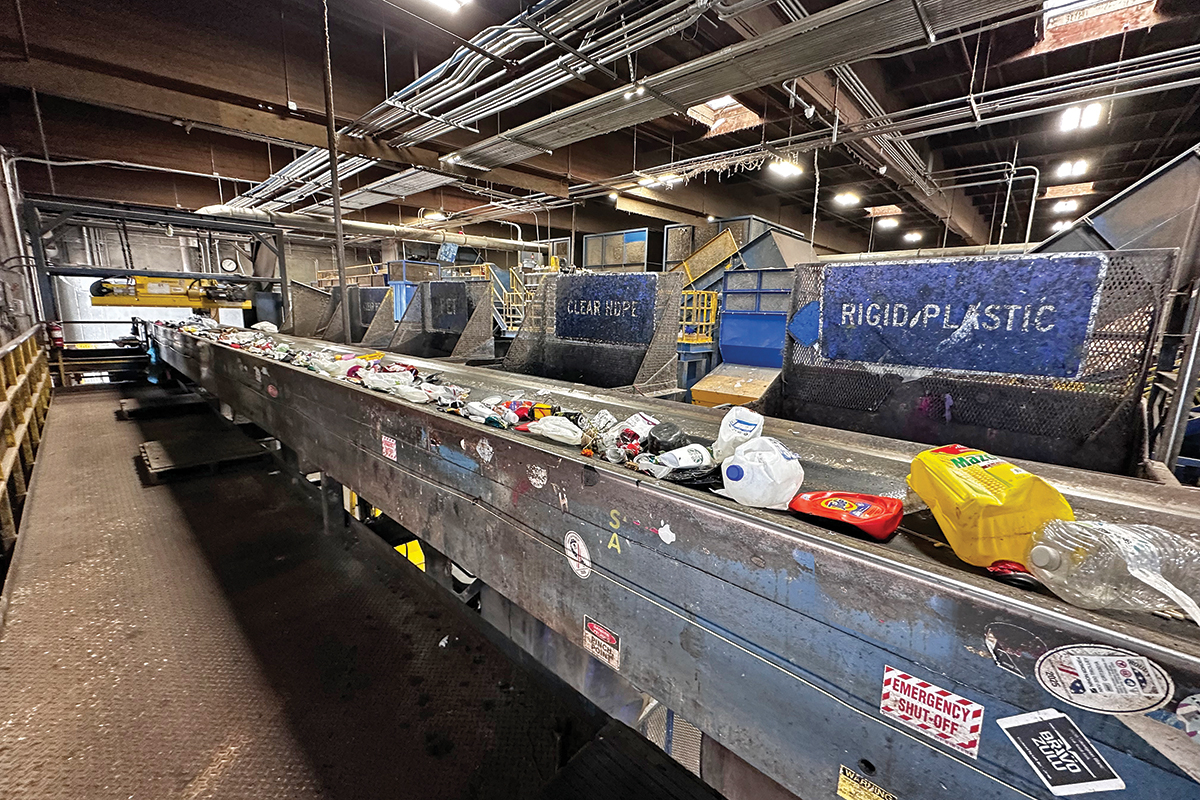
Then it must be collected and sorted for recycling. APR has a sortation protocol to help ensure material flows into the proper bale. Following effective sortation, the material needs to be processed into resin pellets for use in new products. And all of these processes are working today.
But ultimately the existence of end markets is the glue that holds together the rest of the recycling process. The market monetizes the entire system. You don’t have customers, then you have no money to fund the system. It’s as simple as that.
4. Transparency in Recycling Rate Reporting
There’s also no shortage of plastic recycling rate estimates to choose from, which adds to consumer confusion. The numbers are frustrating, but it is important to note that very low plastic recycling numbers usually include all plastics produced, many of which were never made to be recycled. The plastic that people really talk about is plastic that’s in consumer packaging. That’s really where the issue is, and less than half of the plastics that are generated go into consumer packaging.
The reality is that at least 70% of what you put in your bin ultimately ends up getting recycled, with the rest largely having some sort of contamination – for example, a non-recyclable container mixed in with recyclable items.
5. Consistency in Collection Programs
Regardless of the figures used, recycling rates are not great. There is work to be done, such as improving consistency among collection programs. For example, the thousands of US recycling programs vary widely in what materials they will accept. In essence, recyclers are being asked to create a business model where we’re never sure what material is being collected.
At a minimum, APR encourages recycling programs to accept PET, HDPE and PP containers. If programs do that, at least we know we’re getting the same volume and the same consistency, and an infrastructure can be built on it.
Steve Alexander is president and CEO of the Association of Plastic Recyclers, which owns Resource Recycling, Inc.