













This story originally appeared in the February 2017 issue of Plastics Recycling Update. Subscribe today for access to all print content.
Demand for recovered resin is increasing as more brand companies reiterate their commitment to sustainability. For instance, The Association of Plastic Recyclers’ 2016 Polypropylene Postconsumer Resin Demand Survey, which took the pulse of 21 major consumer brand companies, found that within three years, those brands will need a total of 280 million pounds of polypropylene post-consumer resin (PCR) annually for non-food contact applications.
Will the plastic recycling system be able to fulfill expanding end-user requirements for PP and other resin types? That’s a critical question for the industry. And it’s one that is forcing stakeholders to think about how to efficiently recover and market plastics other than bottles made of PET and HDPE.
“We know that non-bottle rigid containers provide a source of polypropylene PCR,” said Scott Saunders, general manager of KW Plastics Recycling Division in Troy, Ala. and chairman of APR. “That is the most prevalent resin type in this material category. The challenge remains separating and producing a sufficient amount of feedstock for recyclers to meet that demand.”
To help meet that challenge, the industry can turn to a recently released resource, APR’s Recycling Rigid Plastics Beyond Bottles Toolkits, which stakeholders can access through the APR website.
Three toolkits have been developed to focus on distinct areas: non-bottle containers, residential bulky plastics, and the general promotion effort to encourage residents to recycle containers with the caps left on. The toolkit information has been designed to help both materials recovery facilities (MRFs) and municipalities effectively manage additional material – and to help identify potential markets.
While collection is key to recycle more plastics, reliable markets and demand are also essential to successful and growing programs. The toolkits aim to offer guidance to lift the entire system.
A growing stream
To fully understand the plastics recycling possibilities beyond bottles, it’s important to have a grasp on how plastics collection is evolving. The number of communities expanding their collection practices to include plastics Nos. 1-7 continues to grow.
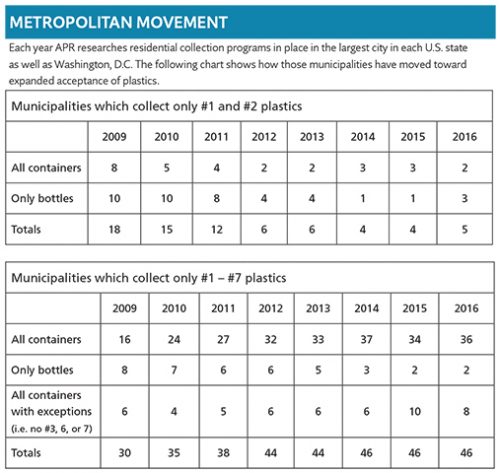
Evidence of that collection expansion can be seen in APR’s annual survey of plastics recycling in the country’s largest metropolitan areas. Each year, the organization studies which plastic types are accepted for residential recycling in the largest municipality in each of the 50 states, plus Washington, D.C.
According to survey data, 36 of those 51 cities now collect plastics Nos. 1-7, up from 16 in 2009. In that same time frame, the number of communities in the study collecting only plastics Nos. 1 and 2 has dropped from 18 to five.
The APR toolkits were launched to help harness the potential of this growth in plastics acceptance and to foster the relationship between materials collection and resin-maker demand. The toolkits are designed to encourage communities and companies to continue the trend to collect more material, increase revenue and support a growing industry.
The resources were also developed to help encourage state and local solid waste management and recycling officials to enhance their programs to include not only non-bottle rigid plastic containers, but also bottles and containers with caps on, and residential bulky rigid plastics.
Mastering the market side
One major focus of the toolkits is offering comprehensive information on market development, something APR members and stakeholders identified as a key need.
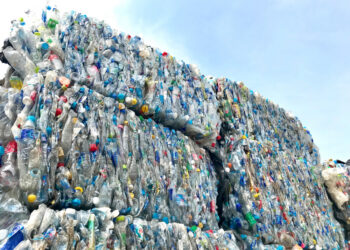
The online toolkits offer a user-friendly Market Development Resource page, essentially a quick reference guide for solid waste managers and recycling coordinators. The page includes APR Model Bale Specifications, which were developed several years ago in collaboration with the Institute of Scrap Recycling Industries and provide market definition of bale categories. A recent review and update reflects current market trends and terms, and photos illustrate examples of bales purchased by APR members.
Ultimately, these specifications serve to facilitate communication between bale producers (MRFs) and purchasers (plastics recovery facilities and plastics reclaimers).
The market development page also includes a complete listing of plastic materials purchased and sold by APR members, as well as services provided. This information can be accessed and downloaded through a detailed directory categorized by resin or bale. An interactive map illustrates market locations for the different bale categories, and it also includes contact information.
Finally, the Sort for Value Online Calculator, developed by APR and Moore Recycling Associates, is included to help users determine the value of various plastic sorting options and better understand the benefits of increased sortation. This tool allows MRFs to input current pricing and determine the value of adding additional sorting to existing programs. Increased sorting can result in higher revenue through new markets for the material, and this calculator may aid MRFs when making that cost-benefit analysis. In developing the markets section of the toolkits, the pricing was updated for the calculator.
Success stories and education
MRFs and municipalities throughout the country, including and beyond the largest city in each state, have determined that the benefits of expanding collection lead to enhanced programs with successful results. To help highlight this fact, the toolkits include examples from specific municipal programs as case studies.
For instance, expanded residential collection to include Nos. 1-7 bottles and containers has been seen in Albuquerque, N.M.; Clearwater, Fla.; and Little Rock, Ark.
Meanwhile, the following communities are directing residents to include bottles and containers with caps on: Chicago; Columbia, S.C.; and Emmet County, Mich.
And Denver; Oneida-Herkimer, N.Y.; and Shakopee, Minn. now collect residential bulky rigid plastics.
Toolkit information on these and other case study communities includes populations served, complete lists of materials accepted, recovery rates, education examples, challenges and overall lessons learned. Of course, with any significant change in operations, challenges will arise. While some communities cited no significant challenges, markets and contamination were identified as issues to address.
In order to combat contamination, each city stressed the importance of residential communication and education programs. Examples of educational resources include interactive websites, fliers, cart tags, videos, simple material lists with illustrations, mascots and school programs. The takeaway is that simple and consistent messaging is a key to a successful program.
Finally, Frequently Asked Questions address common concerns and misconceptions for MRFs and municipalities as they make the decision to expand collection.
Expanding message via collaboration
APR partnered with several organizations to provide additional educational resources beyond the examples highlighted in the success stories, and links to these programs are also included in the toolkits.
The Recycling Partnership, for example, developed a series of resources and tools to “fight contamination, recycle with carts or boost participation,” and provide “operationally sound education to help build a stronger, cleaner program.” You can find these tools at tools.recyclingpartnership.org.
At the same time, Moore Recycling partnered with the American Chemistry Council to develop commodity terms to provide a common language for the plastics recycling industry as well as outreach terms to aid in educating residents. The Plastics Recycling Terms & Tools can be found at recycleyourplastics.org, and details on that initiative can be found in a feature story in this magazine that starts on p. 24.
Additionally, the Foodservice Packaging Institute developed a Recovery Toolkit for communities, MRFs, reclaimers, and food-service operators to join the communities that are including food-service packaging in residential programs. Visit recyclefsp.org for more information.
Simple flowcharts included in the toolkits illustrate the full process of recycling non-bottle containers, plastic caps and residential bulky rigid plastics, detailing the route materials take from initial purchase to collection, processing, recycling and manufacturing. This process is explained in additional detail through Recycling Journey videos. And examples of end-use applications for a variety of resins are listed and organized in a simple graphic developed by Moore Recycling.
By bringing a variety of stakeholders together, the initiative to focus on rigids beyond bottles can help plastics recycling continue to grow, even amid economic uncertainties. As in any industry, fluctuating markets in plastics recovery will inevitably occur, but recent reports have shown the market is beginning to even out. “Markets for material are subject to the ebbs and flows of commodity prices,” said Steve Alexander, APR’s executive director. “It is important to remember during challenging times that the industry is looking at the long-term view, and markets will eventually get stronger. The toolkits are designed to help MRFs and municipalities meet that anticipated increase in market demand.’’
An evolving industry resource
APR strives to expand the recycling of plastic material through the development of resources to support state and local solid waste management and recycling officials to enhance their collection programs, increase the amount of material collected by those programs, and add value to the bottom line. We encourage MRFs and municipalities to consider the benefits of expanding collection practices and utilize the resources now available in the Recycling Rigid Plastics Beyond Bottles Toolkits.
Targeted communication and outreach to communities that are not currently collecting beyond bottles will begin in early 2017. The toolkit information is intended to be dynamic, and APR encourages feedback to ensure these resources reflect the most current and comprehensive information available in the plastics recycling industry.
Kara Pochiro is the communications director at The Association of Plastic Recyclers, the leading trade association representing the plastics recycling industry. She can be contacted at [email protected]. All of the resources detailed in this article, including surveys and links, are available on the APR website, plasticsrecycling.org.