





Resource Recycling
  • The Latest
  • Analysis
    • All
    • Certification Scorecard
    • Industry Announcements
    • Opinion
    The electronics recycling industry is undergoing a transformation from labor-intensive manual operations to highly automated, AI-driven facilities that use advanced robotics, cleaner chemistry and digital tracking systems to extract critical materials.

    The cyber-physical MRF: AI and robotics reshape e-waste recovery

    Certification scorecard for the week of Feb. 9, 2026

    Meta-Corning deal signals IT hardware retirement wave

    Meta-Corning deal signals IT hardware retirement wave

    Malaysia clamps down on illegal e-waste imports amid probes

    Malaysia clamps down on illegal e-waste imports amid probes

    URT builds alliance to remake electronics plastics at scale

    ICYMI: Top 5 e-scrap stories from January 2026

    The electronics recycling industry is undergoing a transformation from labor-intensive manual operations to highly automated, AI-driven facilities that use advanced robotics, cleaner chemistry and digital tracking systems to extract critical materials.

    Certification scorecard for the week of Feb. 2, 2026

    Auditors warn EU may fall short on critical metals

    Auditors warn EU may fall short on critical metals

    Industry announcements for January 2026

    Industry announcements for February 2026

    ICYMI: Top 5 recycling stories from January 2026

  • Conferences
  • Publications

    Other Topics

    Textiles
    Organics
    Packaging
    Glass
    Brand Owners

    Metals
    Technology
    Research
    Markets
    Grant Watch

    All Topics

Subscribe
No Result
View All Result
Resource Recycling
  • The Latest
  • Analysis
    • All
    • Certification Scorecard
    • Industry Announcements
    • Opinion
    The electronics recycling industry is undergoing a transformation from labor-intensive manual operations to highly automated, AI-driven facilities that use advanced robotics, cleaner chemistry and digital tracking systems to extract critical materials.

    The cyber-physical MRF: AI and robotics reshape e-waste recovery

    Certification scorecard for the week of Feb. 9, 2026

    Meta-Corning deal signals IT hardware retirement wave

    Meta-Corning deal signals IT hardware retirement wave

    Malaysia clamps down on illegal e-waste imports amid probes

    Malaysia clamps down on illegal e-waste imports amid probes

    URT builds alliance to remake electronics plastics at scale

    ICYMI: Top 5 e-scrap stories from January 2026

    The electronics recycling industry is undergoing a transformation from labor-intensive manual operations to highly automated, AI-driven facilities that use advanced robotics, cleaner chemistry and digital tracking systems to extract critical materials.

    Certification scorecard for the week of Feb. 2, 2026

    Auditors warn EU may fall short on critical metals

    Auditors warn EU may fall short on critical metals

    Industry announcements for January 2026

    Industry announcements for February 2026

    ICYMI: Top 5 recycling stories from January 2026

  • Conferences
  • Publications

    Other Topics

    Textiles
    Organics
    Packaging
    Glass
    Brand Owners

    Metals
    Technology
    Research
    Markets
    Grant Watch

    All Topics

Subscribe
No Result
View All Result
Resource Recycling
No Result
View All Result
Home Recycling

Vermont bottle bill expansion in limbo

Marissa HeffernanbyMarissa Heffernan
May 15, 2023
in Recycling
The Vermont House has not yet had a chance to vote on the Senate’s amended version of the bill. | Bikeriderlondon/Shutterstock

A bill that would expand Vermont’s deposit return system to include more container types over the next several years did not get a final vote before the end of the session.

H.158 passed the House 115-29 on March 28 and the Senate 19-11 on May 10, with amendments, but the House did not have the chance to vote on the amended version before the session ended May 12. 

Vermont employs a two-year legislative cycle, so the process could resume when the Legislature reconvenes. 

The bill would expand the state’s deposit return system to include all beverages except dairy products, plant-based beverages, infant formula, meal replacement drinks and nonalcoholic cider. The current system only covers beer, mineral waters, mixed wine drinks, soda water and carbonated soft drinks – about 46% of all beverages sold, according to Vermont Business Magazine.

The bill would also require the creation of a PRO and increase the state’s redemption center fee from 4 cents to 5 cents.  

The Senate added an exemption for retail locations of less than 5,000 square feet, allowing them to refuse to redeem beverage containers; a provision that if the producer responsibility organization (PRO) failed to meet redemption rates, the state could require it to update its plan with additional measures; and a mandate for a report on the current recycling system. 

H.158 is supported by organizations such as the Can Manufacturers Institute, partially supported by the American Beverage Association and the Beverage Association of Vermont, and opposed in full by Casella Waste Systems (Casella is one of the biggest haulers and material processors in the Northeast and is based in Vermont). 

Expansion details 

While no U.S. state has added a completely new bottle bill in over a decade, a number of states with deposit frameworks have looked to add more container types. Expansion efforts have passed in several cases.

Under the H.158 proposal in Vermont, a study would need to be completed by early 2025 on the total system costs and savings associated with expanding the types of covered containers, as well as the impacts of the expansion on MRFs.

The study would also evaluate the costs of operating a redemption center and other alternate points of redemption under a stewardship plan and provide a recommendation on whether the state’s handling fee should be altered. Finally, it would assess the impact of the PRO being authorized to retain 100%, 50% or 0% of the unredeemed deposits. 

The expansion would be slated to take effect on Jan. 1, 2027.

H.158 would have given manufacturers until Jan. 1, 2024 to form a PRO (manufacturers and distributors of liquor would be exempt from that requirement). The PRO would need to submit a stewardship plan to the state by Oct. 1, 2024, that lays out how the PRO will provide convenient collection, fair compensation for redemption centers, and consumer education. That plan would also have to outline how the PRO would make use of existing infrastructure. 

The bill sets redemption goals of 75% by July 1, 2026; 80% by July 1, 2030; 85% by July 1, 2035 and 90% by July 1, 2040. 

If by 2028, the redemption goals have not been met for two consecutive years, the deposit fee would increase by 5 cents. 

Industry reactions 

The Can Manufacturers Institute testified in support of the bill, urging faster implementation of the expansion and calling it “an important step in updating and improving the program to help ensure more beverage cans are collected and not lost to landfill.” 

The American Beverage Association and The Beverage Association of Vermont partially supported the bill. In testimony, spokesperson Bree Dietly said, “A system designed for the 1970s beverage market and consumers is understandably due for a tune-up as we stand 50-plus years in the future.” 

“While we do not support expansion of Vermont’s bottle bill, we are pleased to see that H.158 incorporates many of the necessary reforms to put the bottle bill on a more stable and sustainable path going forward,” she said. 

Dietly said current problems with the system should be fixed before expanding. Those include too much sorting at redemption centers, aging infrastructure and an inefficient, decentralized system. She also opposed the automatic triggering of the deposit increase in 2028, “given the compressed target dates.” 

She said a PRO was “the natural next step for Vermont’s program to open up the system to innovation and lay the foundation for expanding the law to include additional containers and to improve its performance.” 

Casella Waste Systems opposes the bill. In testimony, Kim Crosby, the company’s director of environmental compliance, said she believes the expansion will increase the cost of recycling to consumers by about 7%, will not help the state achieve recycling goals and will jeopardize infrastructure investments. 

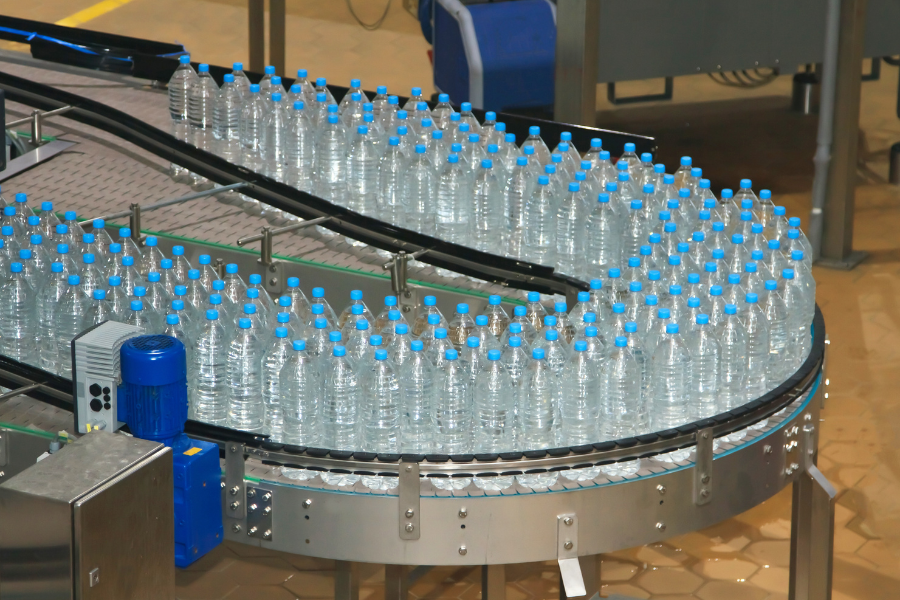
Crosby noted that in 2022, Casella processed about 38,000 tons of single-stream recycling in the state. About 659 tons of that was PET, and half went to processors that make beverage containers, specifically plastic water bottles.

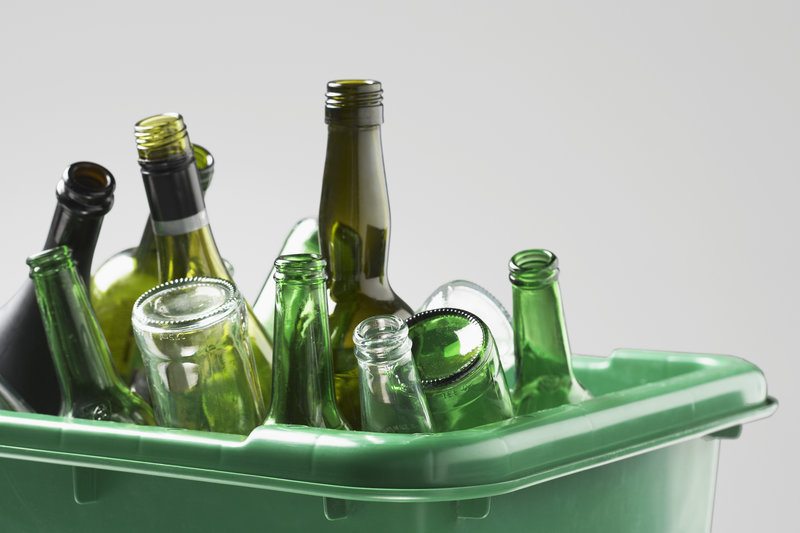
Casella also sent 231 tons of aluminum to can manufacturers and 4,975 tons of glass to Strategic Materials in North Carolina to be turned into glass bottles and fiberglass insulation. 

“Standard bottle bills and proposed expanded bottle bills threaten the economic viability of recycling facilities because they skim off the most valuable recycling streams,” she said. 

 

Tags: Container DepositsEPRLegislation
TweetShare
Marissa Heffernan

Marissa Heffernan

Marissa Heffernan worked at Resource Recycling from January 2022 through June 2025, first as staff reporter and then as associate editor. Marissa Heffernan started working for Resource Recycling in January 2022 after spending several years as a reporter at a daily newspaper in Southwest Washington. After developing a special focus on recycling policy, they were also the editor of the monthly newsletter Policy Now.

Related Posts

Bipartisan reps introduce bill on recycling claims

Bipartisan reps introduce bill on recycling claims

byAntoinette Smith
February 12, 2026

Legislators introduced the Recycled Materials Attribution Act in the US House, drawing support from a new industry group and scrutiny...

Oregon’s Recycling Modernization Act faces injunction

Court partially blocks Oregon EPR law, dismisses bulk of lawsuit

byStefanie Valentic
February 10, 2026

An Oregon federal court issued a limited injunction halting the state's EPR law for members of NAW, but rejected the...

Member states select new chair for global plastics treaty

Member states select new chair for global plastics treaty

byAntoinette Smith
February 10, 2026

During a short session, the Intergovernmental Negotiating Committee elected Chilean diplomat Julio Cordano to continue efforts toward an internationally binding...

Dual WM MRF launch strengthens Ontario recycling infrastructure

Dual WM MRF launch strengthens Ontario recycling infrastructure

byStefanie Valentic
February 9, 2026

WM has opened two new facilities in Ontario capable of processing 30% of the province's total volumes under new EPR...

REUSE Act heads to US House for consideration

byAntoinette Smith
February 9, 2026

The bill would require the US EPA to collect data on reuse and refill systems across industries including consumer packaging,...

German researchers say plastics treaty still within reach

byAntoinette Smith
February 4, 2026

In a new white paper, the group proposes three key changes to revive the treaty talks after a new chair...

Load More
Next Post

How Exxon, others improve supply for chemical recycling

More Posts

Oregon’s Recycling Modernization Act faces injunction

Court partially blocks Oregon EPR law, dismisses bulk of lawsuit

February 10, 2026
Chinese processing group details goals for US visit

AMP lays out vision of next-generation, AI-driven MRFs

July 24, 2024

Greenchip launches fund for community impact and trust

February 5, 2026
Malaysia clamps down on illegal e-waste imports amid probes

Malaysia clamps down on illegal e-waste imports amid probes

February 6, 2026

REUSE Act heads to US House for consideration

February 9, 2026

Allied Industrial portfolio companies complete two early-year deals

February 5, 2026

Amcor expects flat sales volumes to continue 

February 6, 2026

ecoATM recycled 7.5M phones in 2025 as payouts hit $1.5B

February 10, 2026
Meta-Corning deal signals IT hardware retirement wave

Meta-Corning deal signals IT hardware retirement wave

February 9, 2026
Packaging Corp. to buy Greif containerboard segment

Export trends offset containerboard production decline

February 6, 2026
Load More

About & Publications

About Us

Staff

Archive

Magazine

Work With Us

Advertise
Jobs
Contact
Terms and Privacy

Newsletter

Get the latest recycling news and analysis delivered to your inbox every week. Stay ahead on industry trends, policy updates, and insights from programs, processors, and innovators.

Subscribe

Welcome Back!

Login to your account below

Forgotten Password?

Retrieve your password

Please enter your username or email address to reset your password.

Log In

Add New Playlist

No Result
View All Result
  • The Latest
  • Analysis
  • Recycling
  • E-Scrap
  • Plastics
  • Policy Now
  • Conferences
    • E-Scrap Conference
    • Plastics Recycling Conference
    • Resource Recycling Conference
    • Textiles Recovery Summit
  • Magazine
  • About Us
  • Advertise
  • Archive
  • Jobs
  • Staff
Subscribe
This website uses cookies. By continuing to use this website you are giving consent to cookies being used. Visit our Privacy and Cookie Policy.