














Editor’s Note: Resin markets and film/flexible packaging will be featured in sessions at the 2026 Plastics Recycling Conference, Feb. 23-25 in San Diego, California. Register now!
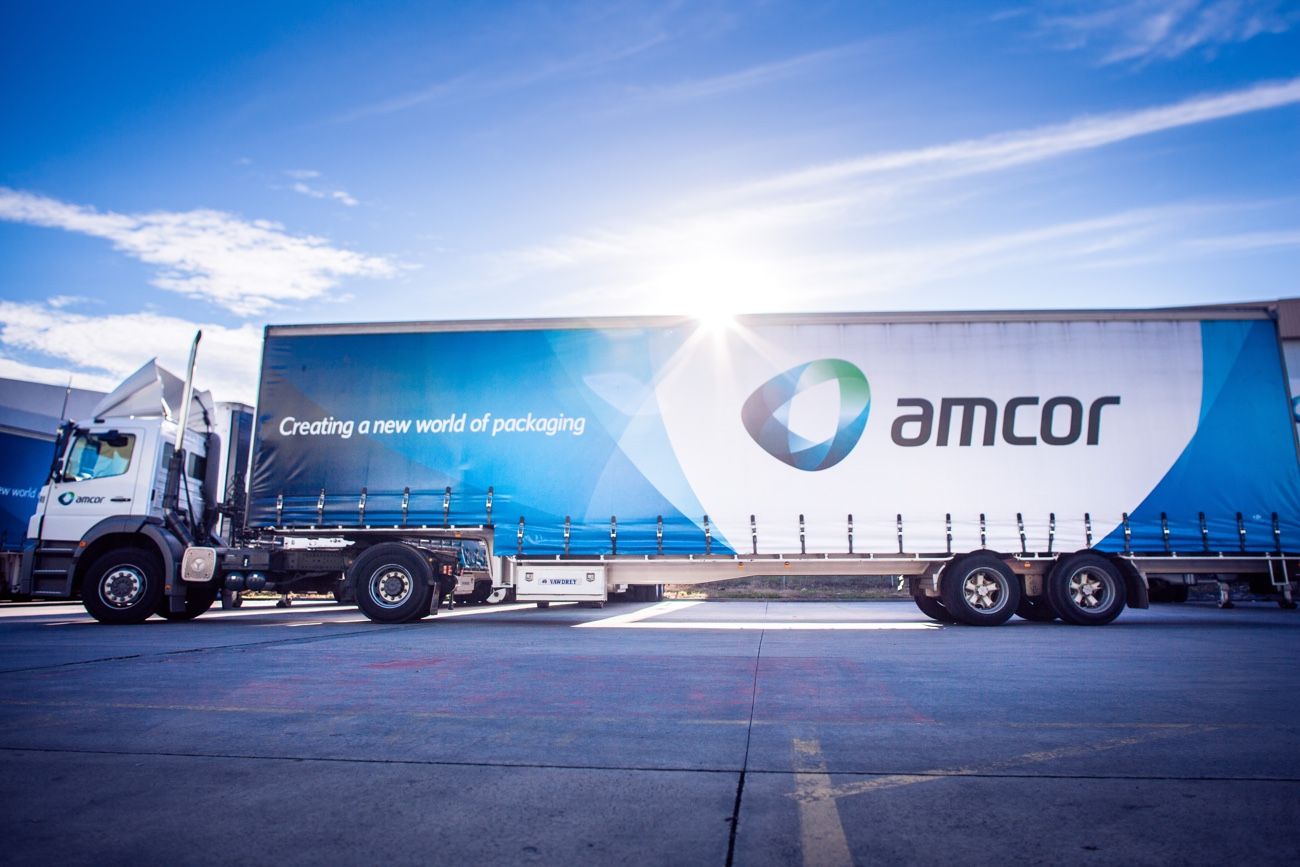
Although global packaging giant Amcor saw huge increases in net sales, driven by its acquisition of Berry Global, comparable quarterly sales volumes were flat to lower on the year and are likely to continue through summer, executives said during a quarterly earnings presentation.
In its flexible packaging segment, global net sales rose by 23% on the year to $3.188 billion for the quarter ending in December, while volumes decreased by about 2% and were roughly flat from the prior quarter.
North American and European volumes were flat with the previous quarter, though Europe was “modestly more challenged than North America,” said CFO Steve Scherger. In Asia-Pacific growth was in the low single digits, and Latin America experienced a modest decrease in volumes.
Pet food and meat proteins saw increases in sales volumes, while other nutrition, liquids and unconverted film and foil fell.
This week Amcor announced it had commercialized a new flexible packaging option for cheese, the first flow wrap for chunk cheese that meets Association of Plastic Recyclers guidelines for recyclability, said John Kearny, senior commercial director of dairy at Amcor Flexibles North America. APR owns Resource Recycling, Inc., publisher of Plastics Recycling Update.
The company’s rigid packaging segment performed similarly to flexibles, with a significant rise in sales but flat volumes on the year. Emerging markets including Latin America grew by low single digits, while North American volumes stagnated on the year, and in Europe volumes “remained somewhat challenged” and dropped by low single digits.
Pet food, protein and beauty and wellness markets were the top performers for rigid packaging, offsetting lower volumes in foodservice and health care applications.
Looking ahead, Amcor expects the next six months to deliver results similar to the previous six months. Although the company is focusing on growth initiatives across its businesses that could provide some upside, “the reality is we’re operating in a market that is low single digits down, and while everybody is hoping that the environment won’t turn in the short term in the second half, we’re approaching it very much consistent with what we’ve seen in the first half, Konieczny said.
Combined purchasing power provides resin pricing leverage
CEO Peter Konieczny noted that the scale of the combined Amcor and Berry resin requirements provides pricing leverage that helps support margins. Both companies separately were major buyers of post-consumer plastics for use in packaging applications.
“Now in a world where raw material input pricing comes down, and we had this conversation several times on earlier calls, the question is how big of an influence does scale of our operations have, just the mere volume that we’re able to offer to suppliers,” he said. “In a situation where you’re struggling for volumes, big buyers that can offer volumes do — can make a difference, and we’re seeing that.”
Amcor’s brand-owner customers have prioritized price over volumes in an inflationary environment, Konieczny said. However, amid market share losses for some customers, discussions with Amcor have shifted toward finding “a better balance between price and volumes.” Even so, he said Amcor is not banking on volume improvements for the coming six months.
Sustainability efforts include reuse
Amcor will participate in a city-scale packaging reuse project launching in Ottawa, Ontario, Canada, starting in the third quarter of this year. Through its Plastic Waste Coalition, the Consumer Goods Forum developed the project along with returnable container company Reposit and retailers including Walmart Canada, brands such as L’Oréal, Unilever and Procter & Gamble, and “solution providers” including Amcor and Avery Dennison.
With the project, shoppers will be able to purchase certain products such as personal care items in reusable packaging and pay a small refundable deposit. Later the empty packaging can be returned at in-store return points, where it will be collected, professionally cleaned and then reused.
Early last year, then-Berry Global’s reusable polypropylene cups were selected for the Borrow Cup initiative from Reposit in Glasgow, Scotland. Major outlets including Costa Coffee, Caffè Nero and Burger King UK participated.