








The need to reduce food waste has escalated as an issue during COVID-19. In response to current realities, consumers have raced to grocery stores to stockpile food, often buying in surplus. Now, we’re seeing food’s perishability firsthand.
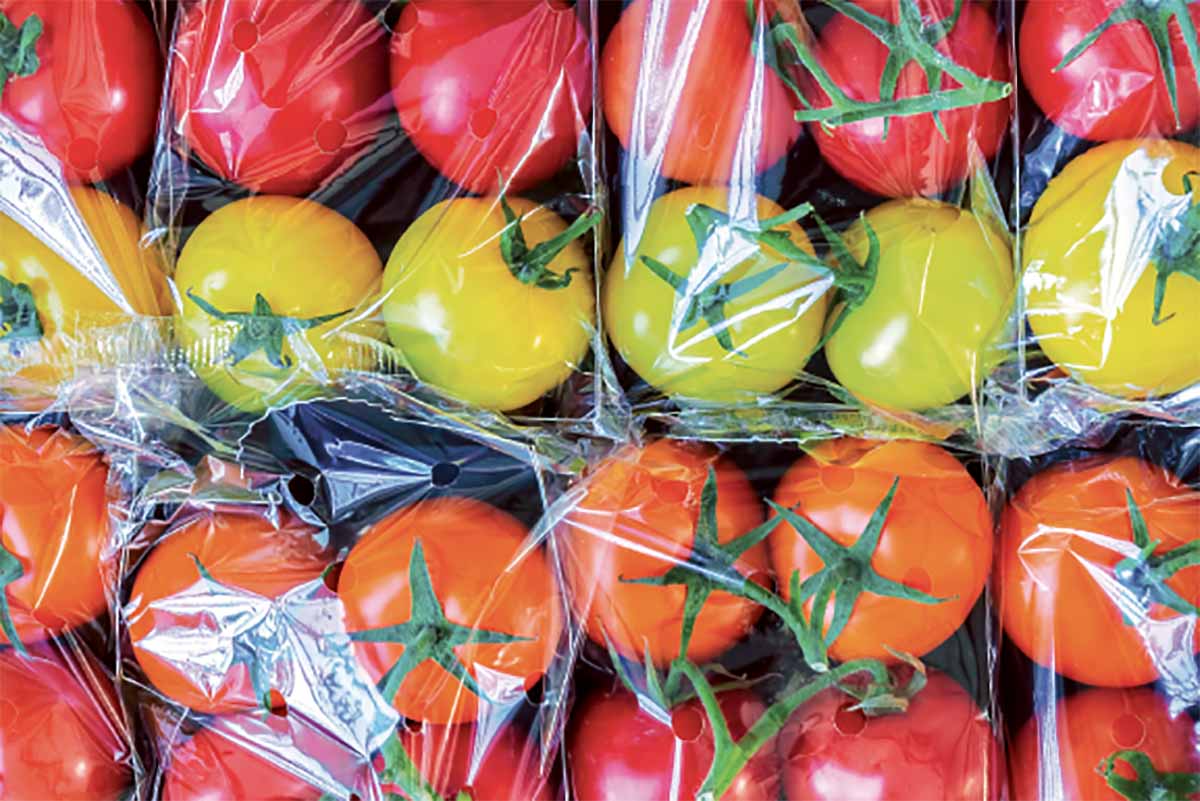
This issue, in part, concerns packaging. Many consumers are taking precautions against the virus by removing food from its original packaging, washing it and repacking in plastic bags and containers. Often, they do not realize that the original packaging offers the best protection for food, especially when the food is individually packed for portion control.
But the relationship between food waste and packaging runs deeper, extending through the supply chain.
Earlier this year, corporate sustainability consultancy Denkstatt, along with more than a dozen organizations, published a report on food packaging sustainability. This issue is becoming increasingly critical, as 30% of the food produced globally gets wasted at some point along the food chain, according to the Food and Agriculture Organization of the United Nations.
The food waste reduction think tank ReFED has determined about 25% of residential food waste is related to the size and design of packaging and that resolving the problems could help stop about 280,000 tons of food waste, worth around $882 million, from ending up as waste.
It’s up to all of us to advance this work, but companies can be a part of the solution by implementing a number of innovations in both packaging and recyclable materials as well as spearheading programs that promote circularity.
Improve the shelf life of consumer favorites
Most food waste consists of meats, vegetables, fruit and bakery products, according to the recent Denkstatt report. If these food types are unpackaged, they are even more exposed to physical, chemical and microbiological influences. They can also be further affected by temperature fluctuations at various stages in the supply chain, including distribution, storage and sales.
This is where the importance of packaging materials comes in. For example, consider the following on preserving different food items:
- Roast beef – By switching from traditional plastic film packaging to vacuum skin packaging, the shelf life increases from six days to 16 days – a 167% increase in minimum shelf life.
- Ham – Wrapping fresh ham in butcher paper at the deli counter costs less than the packaging for ham on the self-service shelf, which typically utilizes resealable plastic containers. The resealable container, however, will keep the ham fresh longer, thus saving money and cutting waste.
- Cucumbers – A study involving more than 250 stores found a thin plastic film around this salad staple reduces the waste rate in stores from 9.4% to 4.6%.
- Portion Packaging (in yogurt, for example) – While we often think it is best to buy in bulk, the Denkstatt study found that big packages often led to more food waste.
In addition to optimizing packaging, Strategies to Reduce Food Waste in Central Europe, a pilot launched to tackle food waste, identified additional ways to extend the life span of food. Recommendations included more efficient transportation, processing of fruit and vegetables at the point of sale, improved IT solutions, and information and training for employees and consumers as key food-waste-avoidance options.
Design packaging for recyclability
Aside from thinking about how the food is packaged, more brands need to zero in on making the packaging itself more circular.
Circularity starts with designing packages for recyclability. Then, proper collection and sorting facilities need to be put in place. Once properly sorted, companies can buy the materials and recycle them into new products, thus closing the loop. We must collectively step up to use more circular packaging and improve both the food waste and the greenhouse gas savings that come from improved packaging.
The good news is that brands have started to take action. For instance, Dow recently partnered with Bear Naked Granola to produce recyclable pouches for its product. The brand – part of Kellogg’s, which announced a global sustainable packaging goal in late 2018 – rolled out fully recyclable packaging for granola and granola bites, working with Dow and other partners.
Bear Naked chose Dow’s RecycleReady technology, which meets the recycling standards of the Sustainable Packaging Coalition and makes the package compatible with existing polyethylene recycling streams, such as the grocery store drop-off programs. So now consumers can drop off their recyclable packaging at their local Whole Foods, Target or other retailers.
Encourage cooperation between all parties in the supply chain
According to the Denkstatt report, globally about 30% of all greenhouse gas emissions are related to food. More alarmingly, around one-third of all food is lost along the supply chain.
For our food systems to become sustainable – and thus fit for the future – the environmental impact must, of course, also be reduced. One of the most important contributions to this is the reduction of food losses and waste. Cooperation between all the players in the supply chain is critical for effective implementation.
Even at the first step of the food supply chain – agriculture – food waste is generated. In order to fulfil existing contracts, planned overproduction is often necessary. The primary causes of food waste and losses in agriculture were identified as different crops’ noncompliance with marketing standards, lack of edibility and market surpluses. This applies to both products not harvested and products harvested but not marketed.
However, food waste also occurs at the retail and consumer levels. While many retailers are committing to some of the actions made above, the retail sector nevertheless generates about 5% of the food waste (89 million tons) generated in Europe each year.
At the consumer stage, incorrect storage (especially for fruits and vegetables) and inaccurate expiration dates were identified as the main causes of food waste. In both cases, communication via the industry and public authorities can help to change practices by individuals.
Find new value for damaged goods
There are also issues with preserving damaged raw materials and converting them as efficiently as possible into consumer-friendly products. By utilizing new technologies and processing previously unused raw materials, the industry can make a valuable contribution to the reduction of food waste.
For example, Dow is currently working with the Montgomery Food Bank in Texas to take food that has been rejected by grocery stores and reroute it to the Food Bank’s produce rescue center. There, it’s sorted, and good produce is packaged in materials to extend shelf life. It is then delivered to communities where there are food shortages. Spoiled produce, meanwhile, is sent for composting.
Dow is also working with Montgomery Food Bank to develop a sustained plastic recycling program, whereby the food bank gets paid to recycle various plastic materials that enter the produce rescue center.
Reducing food waste will take a collective commitment – but it’s necessary if we are going to preserve the environment. We must continue to prioritize testing innovative, environmentally friendly solutions in packaging to extend the shelf life of products and ensure the right protections to minimize the food being lost along the supply chain. Analyzing shoppers’ behavior and communicating important messages to consumers on conserving and preserving food is also paramount on cutting down on waste that is prematurely disposed and ultimately wasted.
Bernd Brandt is senior consultant at Denkstatt, and Tony Kingsbury is Dow’s sustainability director for Europe, Middle East and Africa.
This story originally appeared in the Summer 2020 issue of Plastics Recycling Update. Subscribe today for access to all print content.