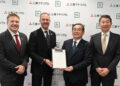












Trafigura has signed a $1.1 billion, 10-year offtake agreement with US-based refiner Nth Cycle, securing long-term supplies of recycled nickel and lithium as companies seek to expand critical mineral supply chains beyond primary mining.
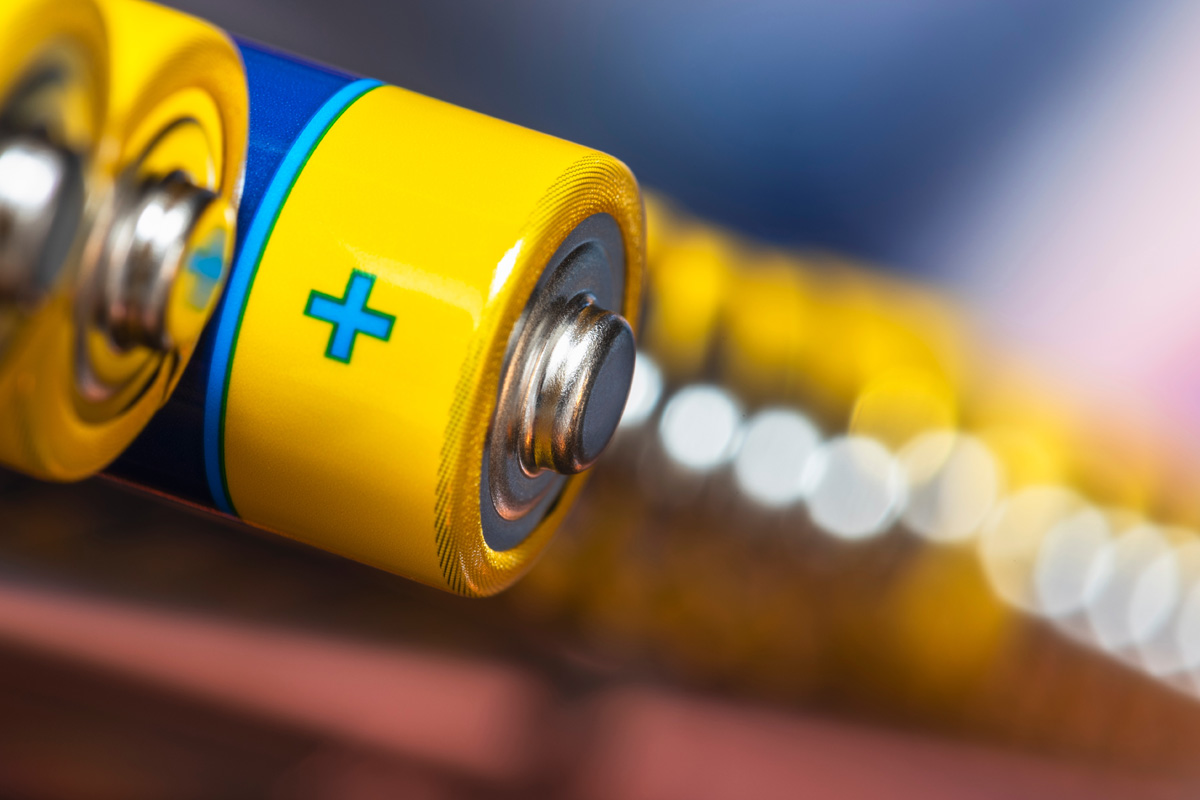
Under the agreement, the global commodities trading company will purchase 2,000 metric tons of contained nickel in mixed hydroxide precipitate and 1,500 metric tons of lithium carbonate each year. The materials will be refined from about 12,000 metric tons of battery “black mass,” the shredded residue generated from used lithium-ion batteries and manufacturing scrap.
Nth Cycle said the supply will come from two facilities under development in South Carolina and the Netherlands, both expected to begin operating in 2028. The arrangement is expected to support financing and development of those projects, which are intended to expand refining capacity in North America and Europe.
The deal builds on earlier moves by Geneva-based Trafigura to secure recycled material streams. In November 2025, lithium-ion battery recycler Ascend Elements announced a multiyear offtake deal with Trafigura to supply 15,000 metric tons of lithium carbonate between 2027 and 2031, produced from recycled batteries and manufacturing scrap.
Together, the agreements show how commodity traders are seeking additional sources of supply alongside traditional mining, particularly for materials used in batteries and energy systems.
A key constraint for the sector remains the gap between collection and refining capacity. While shredding capacity for battery materials has expanded in North America and Europe, much of the refining capacity remains concentrated in Asia, particularly China, which dominates global processing of black mass.
Nth Cycle has developed a modular refining approach designed to operate at a smaller scale than traditional facilities. Chief executive Megan O’Connor said there is an “urgent need to build capacity for black mass refining” and to develop more diversified supply chains, particularly in the US.
The company’s electro-extraction process produces refining chemicals on-site using electricity rather than relying on externally supplied reagents. Nth Cycle said its system can reduce capital requirements and shorten construction timelines compared with conventional refining operations, while allowing facilities to operate with lower volumes of feedstock.
Feedstock availability remains a broader challenge for the recycling sector. Industry participants have pointed to a mismatch between planned recycling capacity and the volume of end-of-life batteries currently available, particularly in the EV market, where products are lasting longer than initially expected.
That dynamic has increased the importance of long-term offtake agreements in supporting project financing and development. Securing committed buyers for output is often a prerequisite for advancing new refining capacity.
Nth Cycle began commercial operations in Ohio in 2024, where it processes battery scrap and other feedstocks. The company plans to expand its footprint through the projects tied to the Trafigura agreement.