







Unlocking the power of source reduction in US EPR
EPR is evolving to include mechanisms to encourage reuse and promote design changes to enable recycling and reduce the amount of packaging placed on the market.

Five trends shaping PCR packaging to 2031
Growing steadily but falling short of legislative demands, the global market for PCR plastic packaging is at a crossroads.
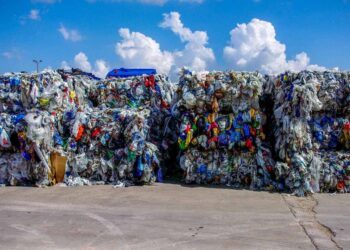
Why collaboration on plastic waste still matters
Six years ago, the U.S. Plastics Pact launched at a moment of rising concern about plastic waste and growing momentum for voluntary action. Companies across the packaging value chain were making commitments, consumers were demanding change, and collaboration felt like the fastest path toward solutions. Today, the environment looks very...
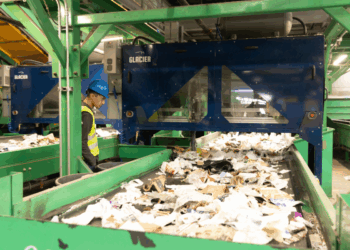
Recyclers are facing unprecedented changes
Using input from MRFs across the US, Closed Loop Partners developed a guide to help provide best practices to improve facility efficiency and optimize operations.

Leveraging materials testing for procurement efficiency
In real-world application, variations in resin properties translate into budget risk, from increased scrap rates and production downtime to premature product failures and costly warranty claims.
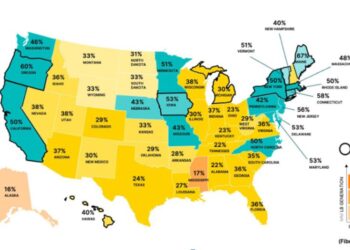
In My Opinion: Data to Support Effective and Impactful Packaging Policy
Michael Wasserman, senior consultant at Eunomia Research & Consulting, discusses how data shapes extended producer responsibility policy.

In My Opinion: We need our customers … to change
An executive at IT Asset Management Group writes that, in many ways, the ITAD industry is now more sophisticated than its customers, who need to be sold on the necessity of proper equipment disposition.

In My Opinion: ‘No-code’ software opportunities abound
E-recyclers are subject to heightened scrutiny from customers, regulators, standards bodies such as R2 and e-Stewards, and a society at large that looks to them to responsibly recycle electronic waste and support a circular economy.

In My Opinion: Use IR detection to help prevent fires
Waste and recycling facilities are crucial in handling the world's growing waste streams, but they pose a significant risk of fires.
In My Opinion: EPR can shift recycling into high gear
Dylan de Thomas, vice president of public policy and government affairs at The Recycling Partnership, lays out a case for how EPR can increase stagannt recycling rates.