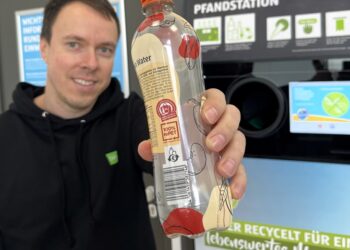














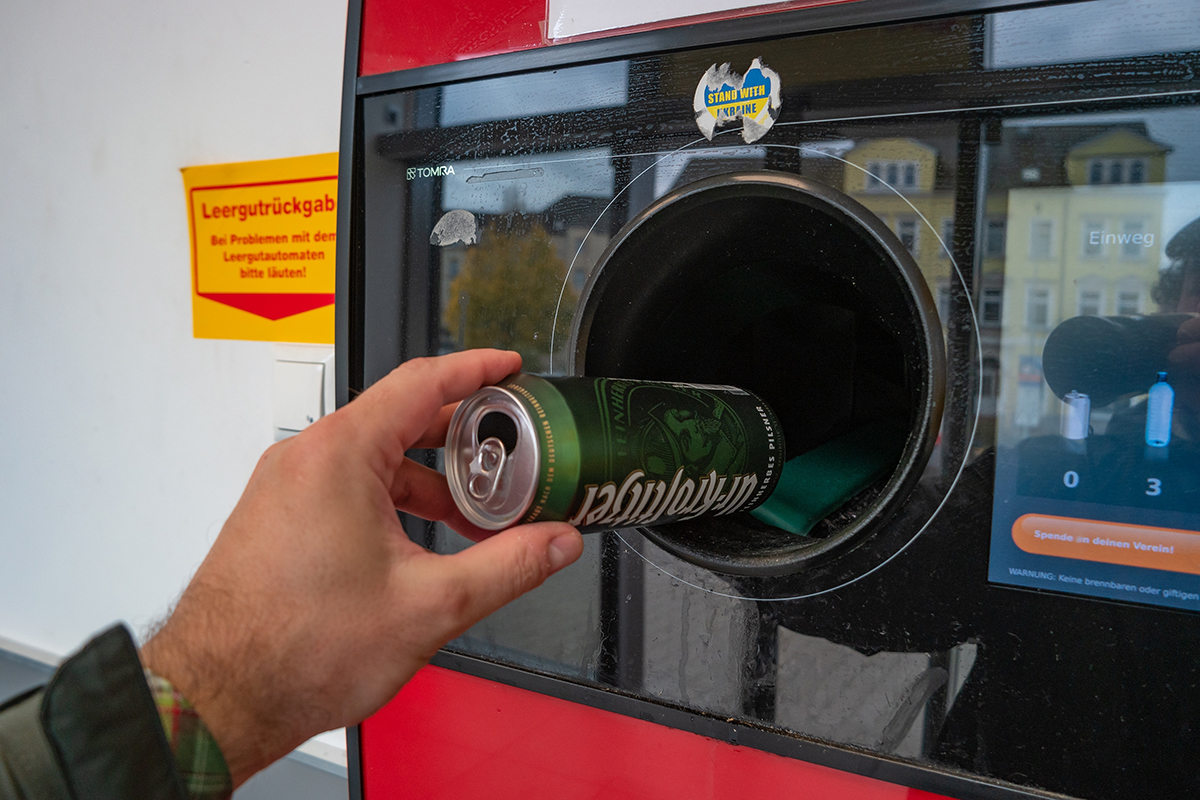
A new study commissioned by a global aluminum recycling initiative indicates that deposit return systems (DRS) can help bridge an “awareness gap” between consumer behavior and recycling progress, particularly for beverage cans.
The “Global Recycling Habits and Attitudes 2025” study was commissioned by Every Can Counts, a consortium of beverage can manufacturers and aluminum suppliers. Of the more than 16,000 people surveyed in 16 countries, only 17% said aluminum cans were “the most recyclable” beverage packaging, despite having a 71% global recycling rate – well above rates for PET and glass bottles – and being infinitely recyclable without degrading.
However, in 2023 the US recycled only 43% of cans shipped, below the 30-year average of around 50%.
Of the countries included in the survey, the US also was at the bottom for expressing net support – meaning either somewhat or very supportive – for DRS, at 58%, along with Belgium and United Arab Emirates both at 59%. Meanwhile, Brazil (85%) and Serbia (86%) topped the list of surveyed countries. Globally, 71% of responses were net supportive.
The EU’s Packaging and Packaging Waste Regulation (PPWR) law requires that member states achieve 90% collection of beverage containers by 2029 via deposit return systems.
Of the 27 EU member states, 16 have implemented DRS programs, four have adopted legislation that is yet to be implemented, and discussions continue in the remaining seven countries. One of the newest DRS programs, launched in Austria this year, is on track to achieve an 80% container collection rate for 2025.
Nevertheless, nearly nine out of 10 global respondents said DRS programs should include all single-use beverage containers, indicating a concern with plastic pollution and overall environmental health. So recycling “is not just an environmental sentiment, it’s a behavioral decision,” the study concluded, adding that convenience and incentives are key to changing consumer recycling habits.
US lags global sentiment
And while the Every Can Counts survey found that more than half of Americans support DRS for beverage containers, that figure was well below the global response of nearly three quarters of people surveyed.
In addition, the study suggested that support for DRS increases with consumer age: 59% support among respondents born after 1996 (Gen Z); 67% among those born in 1981-1996 (Millennials); 74% for respondents born in 1965-1980 (Gen X); and 80% for those born between 1946 and 1964 (Baby Boomers).
These results indicate that younger audiences can be convinced, “but want education and targeted engagement to build buy-in,” according to a press release announcing the study.
State-level modernization is needed
Ten states and the US territory of Guam currently operate DRS programs, with the most recent implemented in Hawai’i in 2005. A 2022 survey indicated that support for DRS among residents of those states was 90%. However, in 2023 data from the Container Recycling Institute showed falling redemption rates in most DRS states, largely due to a need for updates.
And this fall, a report from the University of Michigan warned that the state’s bottle redemption rate had dropped to 70.4%, from as high as 95%.
Several other states including Maryland and Rhode Island proposed so-called bottle bills that failed to advance in 2025, though bipartisan and industry support was beginning to emerge.
Focusing first on implementing and expanding deposit return systems, rather than on full extended producer responsibility (EPR) programs for packaging, is time well spent, Heidi Sanborn of the National Stewardship Action Council told Plastics Recycling Update in September.
“Those would help you immediately, and would help your infrastructure development, which would help with packaging overall later.”
Engagement is key
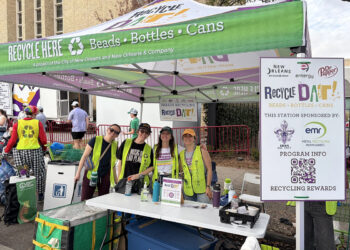
Aside from policy preferences and material perceptions, the survey also found that respondents valued the actual experience of recycling, with 71% saying they would recycle more if the process were fun or interactive. This highlights “that engagement is the missing piece in waste management systems,” the press release said.
“The data show what we see at Every Can Counts every day: people do care, they just want to feel part of the change and understand why true recycling matters,” said David Van Heuverswyn, global director of Every Can Counts. “Deposit Return Systems are the start, not the finish, and Every Can Counts is working across 21 countries to keep educating consumers about the remarkable sustainability credentials of the aluminum drink can.”